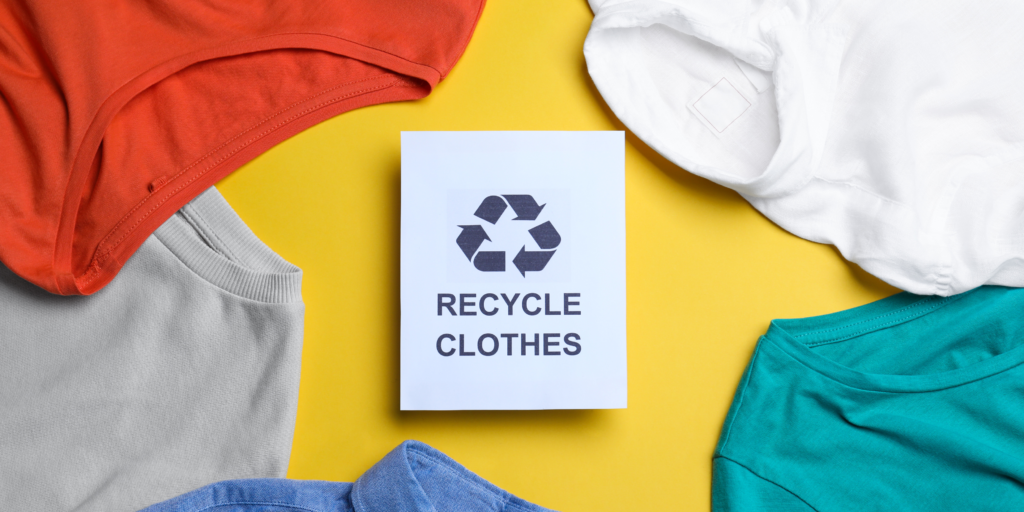
Recycled Materials in Baby Clothing: A New Trend
The baby fashion industry is undergoing a remarkable transformation as parents become increasingly conscious of the products they purchase for their children. Today’s families are paying closer attention to quality, sustainability, and environmental responsibility than ever before. While comfort and style remain important considerations, there is a growing interest in understanding how baby clothes are made and what impact those products have on the planet. One of the most significant developments driving this shift is the rise of recycled materials in baby clothing.
What was once considered an experimental approach to fashion has rapidly evolved into a mainstream movement. Recycled baby clothing is now gaining recognition among parents who want to combine practicality with responsible consumer choices. From everyday bodysuits to seasonal baby wear, brands are increasingly incorporating recycled textiles into their collections. This trend reflects a broader change in purchasing habits, where families seek products that align with both personal values and long-term environmental goals.
As sustainable baby fashion continues to grow, recycled materials are becoming an influential part of the conversation. Their ability to reduce waste, conserve resources, and support innovative manufacturing practices has positioned them as a promising solution for the future of children’s apparel.
Understanding Recycled Materials in Baby Clothing
Recycled materials in baby clothing are created by transforming existing resources into new textile products. Instead of relying entirely on newly produced raw materials, manufacturers use previously utilized resources that have been processed and converted into fabrics suitable for apparel production.
The concept has gained momentum because it addresses one of the fashion industry’s most significant challenges: waste. Large amounts of discarded materials often end up in landfills, creating environmental strain and resource depletion. Recycled textiles provide an alternative by extending the life cycle of existing materials and reducing unnecessary waste.
For parents exploring sustainable baby clothing options, recycled fabrics represent an innovative approach that combines environmental awareness with practical functionality. As technology advances, recycled materials continue to improve in quality, softness, and durability, making them increasingly attractive for baby apparel.
Why Sustainable Baby Fashion Is Gaining Attention
Consumer priorities have changed dramatically in recent years. Modern parents are no longer evaluating products solely on appearance or price. Instead, they are considering broader factors such as sustainability, ethical production, and long-term value.
This shift has contributed significantly to the growth of sustainable baby fashion. Families recognize that their purchasing decisions can influence manufacturing practices and environmental outcomes. As a result, eco-friendly baby clothes have become an appealing option for those seeking more responsible alternatives.
The popularity of recycled baby clothing reflects this growing awareness. Parents appreciate products that reduce environmental impact while maintaining the comfort and quality expected from modern baby apparel. This balance between responsibility and practicality continues to drive demand within the industry.
As conversations around environmental stewardship become more prominent, sustainable baby clothing is evolving from a niche category into a mainstream expectation.
The Environmental Advantages of Recycled Baby Clothing
One of the primary reasons recycled materials are becoming popular in baby fashion is their environmental contribution. Traditional textile production often requires significant amounts of resources, including energy, water, and raw materials. Recycled fabrics help reduce the pressure placed on these resources by giving existing materials a second life.
By incorporating recycled textiles into baby clothing collections, manufacturers can help reduce landfill waste and promote more efficient resource utilization. This process supports the principles of a circular economy, where products and materials remain in use for longer periods rather than being discarded after a single purpose.
Parents who prioritize environmentally friendly baby clothes often appreciate knowing that their purchases contribute to broader sustainability efforts. While no manufacturing process is entirely free from challenges, recycled materials offer a meaningful step toward reducing environmental strain within the fashion industry.
The growing adoption of recycled baby clothing demonstrates how consumer demand can encourage positive industry-wide change.
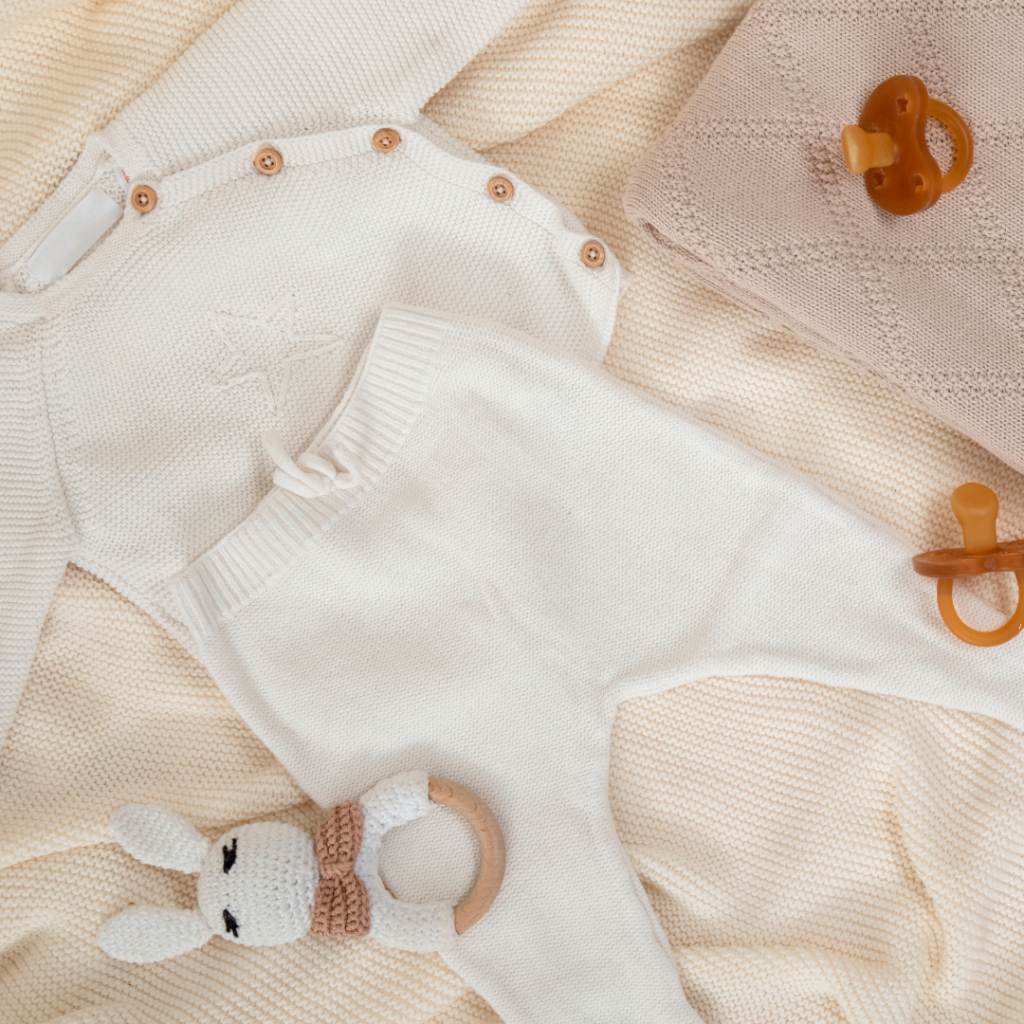
Quality Improvements Are Changing Perceptions
In the early stages of recycled fashion, some consumers questioned whether recycled fabrics could match the quality of traditional materials. Concerns about durability, texture, and appearance created hesitation among shoppers.
However, significant advancements in textile technology have transformed these perceptions. Today’s recycled baby clothing often delivers impressive softness, comfort, and resilience. Many modern recycled fabrics are designed to meet the same quality standards as conventional textiles, making them suitable for everyday use.
Parents increasingly discover that recycled baby clothes can withstand frequent washing, active movement, and daily wear while maintaining their appearance. These improvements have played a crucial role in expanding acceptance of recycled materials within baby fashion.
As innovation continues, the distinction between recycled and conventional fabrics is becoming less noticeable, further strengthening consumer confidence.
Comfort Remains a Top Priority
No matter how environmentally responsible a garment may be, comfort remains essential when choosing baby clothing. Babies spend most of their time wearing clothes, making fabric softness and breathability key considerations for parents.
Manufacturers understand that sustainable baby fashion must deliver comfort alongside environmental benefits. As a result, many recycled baby clothing collections focus on creating fabrics that feel gentle against delicate skin while supporting everyday comfort.
The success of recycled baby apparel depends largely on its ability to meet practical expectations. Parents are unlikely to embrace sustainable alternatives if they compromise comfort or usability. Fortunately, modern recycled fabrics continue to improve, allowing brands to create products that satisfy both environmental and functional requirements.
This combination of comfort and sustainability is helping recycled materials gain broader acceptance among families worldwide.
Recycled Materials and Modern Baby Fashion Trends
Fashion trends are constantly evolving, and sustainability has become one of the most influential themes shaping contemporary design. The rise of recycled materials in baby clothing reflects this broader movement toward responsible fashion.
Today’s designers are creating collections that blend style with environmental awareness. Recycled baby clothing is available in a wide range of colors, prints, and seasonal designs, allowing parents to enjoy fashionable options without compromising their values.
The integration of recycled textiles has also encouraged greater creativity within the baby fashion industry. Brands are exploring innovative manufacturing techniques and design concepts that support both aesthetic appeal and sustainability goals.
As baby fashion trends continue to evolve, recycled materials are expected to play an increasingly important role in defining future collections.
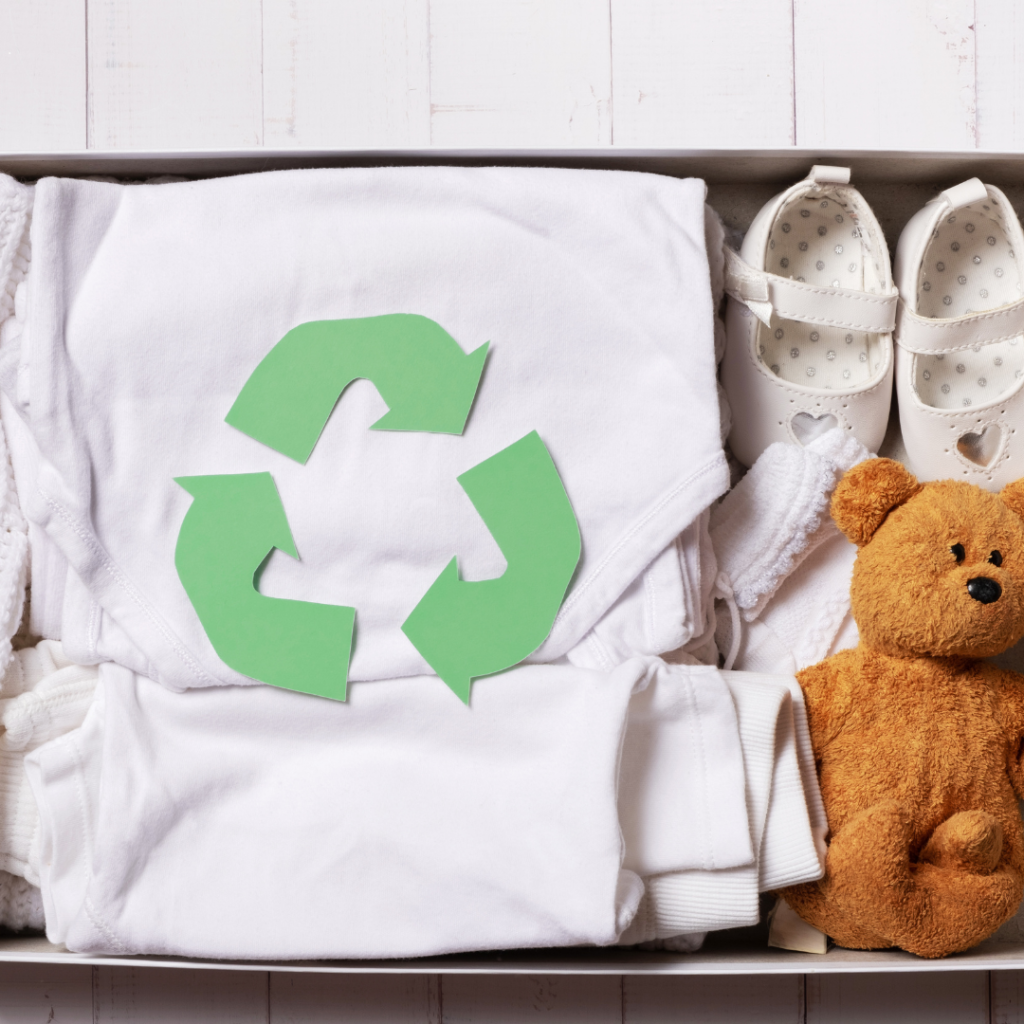
How Parents Are Driving Industry Change
Consumer demand has always been a powerful force in shaping markets, and the baby apparel industry is no exception. Parents today are asking more questions about product origins, manufacturing practices, and environmental impact than previous generations.
This increased scrutiny has encouraged brands to become more transparent and accountable. Companies that embrace sustainable baby clothing and recycled materials often gain stronger trust among environmentally conscious consumers.
Parents are effectively influencing industry priorities by supporting products that align with their values. Their purchasing decisions encourage innovation, investment in sustainable technologies, and the development of more responsible production methods.
The growing popularity of recycled baby clothing illustrates how informed consumers can drive meaningful progress within an entire industry.
Challenges and Opportunities Ahead
Although recycled materials offer numerous advantages, the industry still faces challenges. Maintaining consistent quality, scaling production efficiently, and educating consumers remain ongoing priorities for manufacturers.
Some parents may still be unfamiliar with recycled textiles or uncertain about their benefits. Continued awareness campaigns and transparent communication will play an important role in building confidence and encouraging adoption.
At the same time, these challenges create opportunities for innovation. As technology advances and consumer demand grows, manufacturers are likely to develop even more sophisticated recycled fabrics that enhance comfort, durability, and sustainability.
The future of recycled baby clothing will depend on the industry’s ability to balance environmental responsibility with the practical needs of modern families.
The Future of Recycled Materials in Baby Clothing
The future of sustainable baby fashion appears increasingly connected to recycled materials. As environmental concerns continue to influence consumer behavior, more brands are expected to invest in recycled textiles and circular production models.
Advancements in recycling technologies will likely improve fabric performance while expanding the range of materials available for baby apparel. Greater accessibility and affordability may also encourage wider adoption among families from diverse backgrounds.
Industry experts anticipate that recycled baby clothing will become a standard component of mainstream collections rather than a specialized offering. This evolution reflects the growing expectation that fashion should contribute positively to both consumers and the environment.
The continued growth of recycled materials in baby clothing signals a promising direction for the future of children’s fashion.
Conclusion
Recycled materials in baby clothing represent much more than a temporary trend. They symbolize a broader transformation in how families approach fashion, sustainability, and responsible consumption. By reducing waste, supporting resource conservation, and encouraging innovation, recycled baby clothing offers meaningful advantages for both consumers and the environment.
Parents are increasingly embracing sustainable baby fashion because it aligns with their desire to make thoughtful purchasing decisions. As recycled fabrics continue to improve in quality, comfort, and style, their popularity is expected to rise even further.
The future of baby apparel will likely be shaped by materials and practices that prioritize both functionality and environmental responsibility. Recycled baby clothing stands at the center of this evolution, providing a practical and forward-looking solution for modern families seeking a balance between comfort, style, and sustainability.
You May Also Read
Why Online Reviews Matter in Fashion: How Customer Feedback Shapes Smarter Shopping Decisions 2026
Why Online Reviews Matter in Fashion Online shopping has transformed...
Read More
Hair Care and Sleep Habits: How Better Sleep Supports Stronger, Healthier, and Shinier Hair 2026
Hair Care and Sleep Habits Beautiful, healthy hair is often...
Read MoreThe Science Behind Wrinkle-Resistant Clothing: How Modern Fabric Technology Keeps Clothes Looking Fresh 2026
The Science Behind Wrinkle-Resistant Clothing Modern clothing is expected to...
Read More