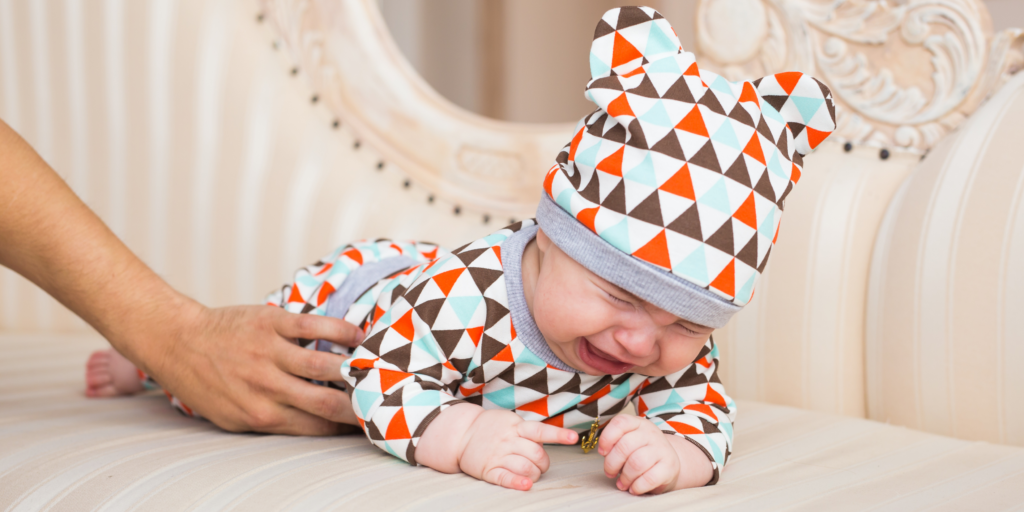
How Innovation Is Making Baby Fashion Safer
Baby fashion has evolved far beyond colorful patterns and adorable designs. Today, parents are paying closer attention to what truly matters beneath the surface—safety, comfort, quality, and durability. As a result, the baby fashion industry is experiencing a significant transformation driven by innovation. Modern baby clothing is no longer designed solely to look attractive; it is being engineered to provide greater protection, enhanced comfort, and improved functionality for growing children.
The growing focus on baby fashion safety reflects changing consumer expectations. Parents are more informed than ever before, carefully evaluating fabrics, manufacturing processes, product certifications, and clothing construction. This increased awareness has encouraged brands to invest in innovative baby clothing solutions that prioritize child well-being without compromising style. The result is a new generation of baby fashion collections that blend safety, practicality, and visual appeal.
As technology, sustainability, and product design continue advancing, innovation is playing an increasingly important role in creating safe baby clothing. These developments are helping address long-standing concerns while setting higher standards across the baby fashion industry.
Why Safety Has Become a Priority in Baby Fashion
The modern baby fashion market has shifted dramatically in response to growing parental awareness. While attractive baby outfits remain important, safety has become one of the most influential purchasing factors.
Babies have delicate skin, developing immune systems, and unique physical needs that require thoughtful consideration. Even small design flaws can create discomfort or unnecessary risks. As a result, manufacturers are focusing more closely on every detail, from fabric selection and stitching techniques to closures, buttons, and decorative elements.
This increased attention reflects a positive shift within the baby fashion industry. Rather than focusing exclusively on trends, brands are investing in safer baby clothing that supports comfort and well-being. This commitment is creating a stronger foundation for innovation while encouraging responsible product development.
At the same time, stricter regulations and growing consumer expectations continue pushing manufacturers toward higher standards. These changes have contributed to meaningful improvements in baby fashion safety across global markets.
Advanced Fabrics Are Transforming Safe Baby Clothing
One of the most significant innovations in baby fashion involves fabric technology. Traditional materials are being enhanced through research and development to create safer, softer, and more breathable baby clothing.
Organic baby clothes have become particularly popular because they reduce exposure to potentially irritating substances commonly associated with conventional textile production. Natural fibers such as organic cotton, bamboo blends, and responsibly sourced materials offer improved comfort while supporting healthier skin conditions.
Modern fabric innovations also focus on breathability. Temperature regulation plays a critical role in baby comfort, and advanced textiles help reduce overheating while promoting airflow. This contributes to a more comfortable experience during daily activities and sleep.
Some manufacturers are developing moisture-management fabrics that help maintain dryness throughout the day. These innovations provide additional comfort while minimizing irritation and discomfort that can occur when clothing remains damp for extended periods.
The increasing adoption of advanced materials demonstrates how innovation is improving both baby fashion safety and overall clothing performance.
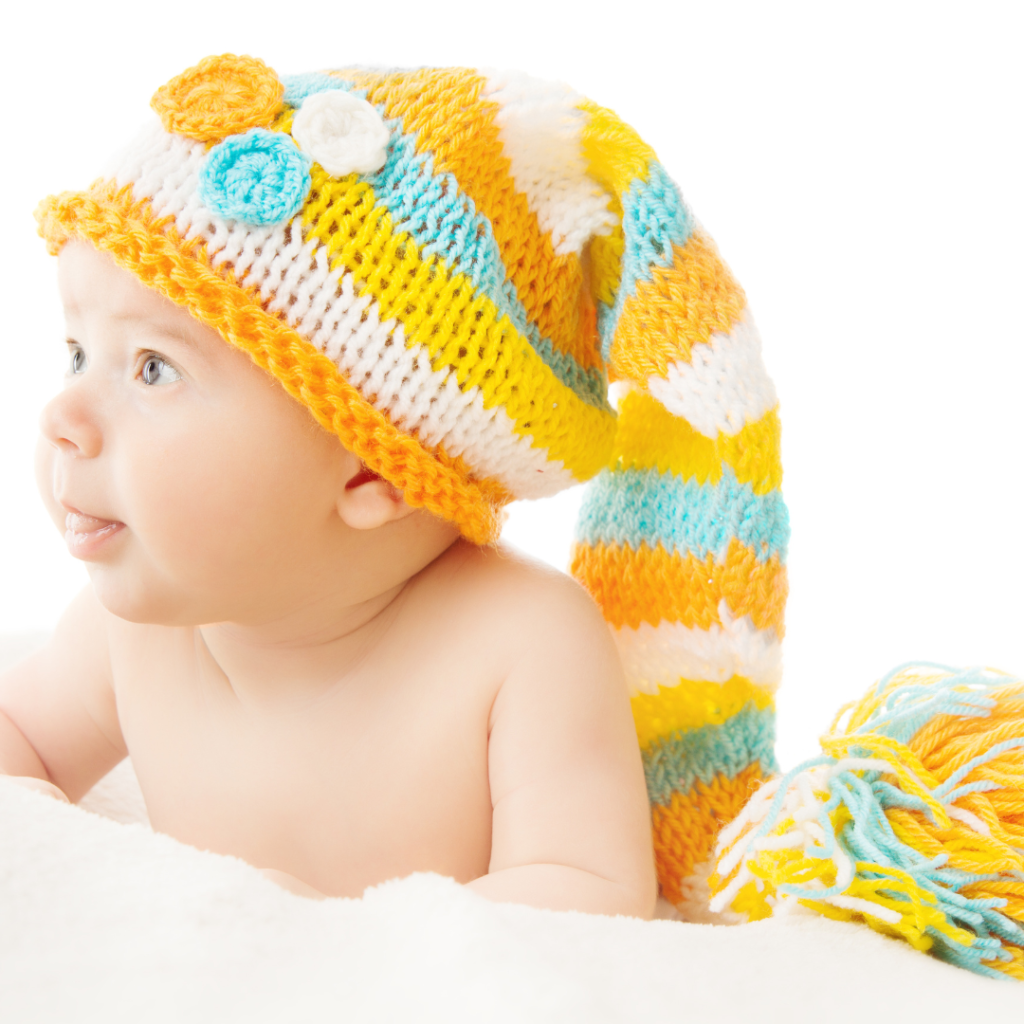
Safer Clothing Construction and Design
Innovation extends beyond fabrics and into the structural design of baby clothing. Modern baby fashion collections increasingly incorporate safer construction methods that reduce potential hazards while improving usability.
Designers are carefully evaluating every component used in baby apparel. Small decorative elements, loose accessories, and poorly attached embellishments can create challenges if not properly secured. As a result, many brands now favor safer attachment methods and simplified designs.
Flat seams, tag-free interiors, and soft closures have become common features in innovative baby clothing. These improvements help reduce friction and skin irritation while enhancing overall comfort.
Stretchable neck openings, easy-access fasteners, and thoughtfully positioned closures also make dressing and changing more convenient. These practical enhancements improve daily functionality while supporting a safer clothing experience.
The move toward safer construction highlights how modern baby fashion is balancing aesthetics with genuine child-focused design.
The Role of Sustainable Baby Fashion in Safety
Sustainability and safety have become closely connected within the baby fashion industry. Many parents now recognize that environmentally responsible practices often align with healthier clothing options.
Sustainable baby fashion typically emphasizes cleaner production methods, reduced chemical use, and higher-quality materials. These practices can contribute to safer baby clothing while supporting broader environmental goals.
Organic baby clothes, eco-friendly dyes, and responsibly sourced fabrics are increasingly common within modern baby fashion collections. Parents appreciate these products because they offer transparency and reassurance regarding manufacturing processes.
Although sustainable baby fashion was once considered a niche market, it has become a major influence shaping industry standards. This shift represents a constructive development that benefits both consumers and manufacturers.
The growing popularity of sustainable baby fashion demonstrates how innovation can simultaneously address environmental concerns and baby clothing safety.
Smart Technology and the Future of Baby Fashion
Technology is beginning to play an exciting role in the future of baby fashion. While many innovations remain in development, smart baby fashion is gradually introducing new possibilities for comfort and protection.
Researchers and manufacturers are exploring textiles capable of monitoring environmental conditions such as temperature and moisture levels. These advancements may eventually help parents respond more effectively to changing comfort needs.
Other innovations focus on improving fabric durability, stain resistance, and long-term performance without compromising softness. These developments can extend garment lifespan while maintaining the qualities parents value most.
Although some smart baby clothing technologies remain in early stages, their potential highlights the ongoing evolution of the baby fashion industry. Future innovations are expected to place even greater emphasis on safety, comfort, and functionality.

Improved Testing and Quality Standards
One of the most important yet often overlooked innovations involves quality assurance. Modern baby clothing undergoes increasingly rigorous testing procedures before reaching consumers.
Manufacturers now conduct extensive evaluations related to fabric durability, colorfastness, seam strength, and product safety. These assessments help identify potential issues before products enter the marketplace.
Independent certifications have also become valuable indicators of quality. Parents frequently seek baby clothing that meets recognized safety standards because these certifications provide additional confidence regarding product performance.
Enhanced testing protocols contribute to safer baby fashion by encouraging consistency and accountability throughout the manufacturing process. This focus on quality helps reduce defects while promoting consumer trust.
As standards continue evolving, quality assurance will remain a key component of innovation within the baby fashion industry.
Comfort as a Core Element of Safety
Comfort and safety are closely connected when it comes to baby clothing. A garment that restricts movement, causes irritation, or traps excessive heat can negatively impact a baby’s overall well-being.
Modern baby fashion increasingly recognizes comfort as an essential aspect of safety. Designers are prioritizing soft fabrics, flexible fits, and ergonomic construction methods that support natural movement.
Comfort-focused baby clothing allows infants and toddlers to explore their environments more freely while minimizing discomfort. This approach contributes to healthier physical development and improved daily experiences.
The growing emphasis on comfort represents a positive trend within the baby fashion industry. Rather than prioritizing appearance alone, brands are creating clothing that genuinely supports children’s needs.
Consumer Awareness Is Driving Industry Innovation
Parents themselves have become powerful catalysts for change. Greater access to information has enabled consumers to make more informed decisions regarding baby fashion purchases.
Many families now research fabrics, manufacturing practices, safety certifications, and brand values before purchasing baby clothing. This increased scrutiny encourages companies to maintain higher standards and invest in meaningful innovation.
Social media, parenting communities, and consumer reviews have further accelerated this trend. Information spreads quickly, allowing parents to share experiences and recommendations with broader audiences.
As consumer expectations continue rising, companies that prioritize baby fashion safety, transparency, and innovation are likely to remain competitive within an evolving marketplace.
Challenges That Still Require Attention
Despite significant progress, the baby fashion industry continues facing certain challenges. Not all manufacturers maintain the same standards, and variations in regulations can create inconsistencies across markets.
Some low-cost products may prioritize affordability over quality, increasing the likelihood of construction flaws or inferior materials. This highlights the importance of continued innovation, education, and regulatory oversight.
Balancing affordability with advanced safety features can also present challenges for manufacturers. However, ongoing technological improvements are gradually making safer baby clothing more accessible to a wider audience.
Addressing these challenges will require continued collaboration among brands, regulators, researchers, and consumers. The encouraging progress already achieved suggests that further improvements remain highly attainable.
The Future of Safe Baby Fashion
The future of baby fashion appears increasingly focused on protection, sustainability, and innovation. As research advances and consumer awareness grows, safer baby clothing will likely become the standard rather than the exception.
Future baby fashion collections may feature even more sophisticated materials, smarter textile technologies, and enhanced customization options tailored to individual needs. Sustainability will continue influencing product development, encouraging responsible practices throughout the industry.
At the same time, comfort, durability, and safety will remain central priorities. Parents are seeking baby clothing that provides peace of mind while supporting healthy development and everyday convenience.
These evolving expectations are encouraging brands to pursue meaningful innovation rather than superficial changes. This trend is helping create a more responsible and child-centered future for the baby fashion industry.
Conclusion
Innovation is making baby fashion safer by transforming every aspect of clothing design, manufacturing, and performance. From advanced fabrics and sustainable materials to improved construction methods and emerging technologies, modern baby fashion is increasingly focused on supporting child well-being.
Safe baby clothing is no longer limited to basic functionality. Today’s baby fashion collections combine protection, comfort, durability, and style in ways that were difficult to imagine just a decade ago. These advancements reflect growing awareness among parents and stronger commitments from manufacturers.
As baby fashion safety continues evolving, innovation will remain the driving force behind future progress. The rise of innovative baby clothing, sustainable baby fashion, organic baby clothes, and advanced baby clothing technology demonstrates a promising direction for the industry. By prioritizing thoughtful design and responsible manufacturing, the baby fashion industry is creating a safer, more comfortable future for children while delivering the quality and confidence that modern families expect.
You May Also Read
Why Online Reviews Matter in Fashion: How Customer Feedback Shapes Smarter Shopping Decisions 2026
Why Online Reviews Matter in Fashion Online shopping has transformed...
Read More
Hair Care and Sleep Habits: How Better Sleep Supports Stronger, Healthier, and Shinier Hair 2026
Hair Care and Sleep Habits Beautiful, healthy hair is often...
Read MoreThe Science Behind Wrinkle-Resistant Clothing: How Modern Fabric Technology Keeps Clothes Looking Fresh 2026
The Science Behind Wrinkle-Resistant Clothing Modern clothing is expected to...
Read More