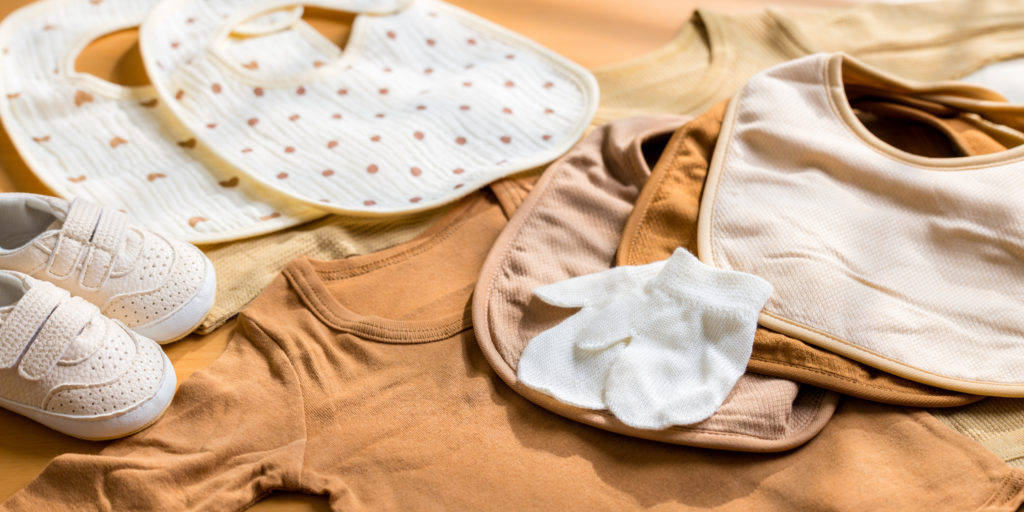
Why Parents Are Investing in Organic Baby Clothing
Parenting has changed significantly over the years. Today’s parents are more informed, more conscious, and more intentional about the products they choose for their children. From selecting nutritious food to creating safer living spaces, every decision is often made with long-term well-being in mind. This shift in consumer behavior has contributed to the rapid growth of the organic baby clothing market. What was once viewed as a premium niche has now become a preferred choice for families looking for quality, comfort, and sustainability.
The increasing popularity of organic baby clothing reflects a broader movement toward mindful parenting. Parents are no longer focused solely on appearance when shopping for baby apparel. They are carefully evaluating fabric quality, manufacturing practices, durability, and environmental impact. As a result, organic baby clothes are becoming a valuable investment rather than a simple fashion preference.
The rise of organic baby fashion demonstrates how consumer priorities are evolving. Families want products that align with their values while providing practical benefits for everyday life. This growing demand has transformed organic baby clothing into one of the fastest-growing segments within the children’s fashion industry.
Understanding the Growing Demand for Organic Baby Clothing
The demand for organic baby clothing has increased as parents become more aware of how clothing is produced. Modern consumers often research products before making purchasing decisions, seeking information about fabric sourcing, manufacturing standards, and sustainability practices.
Organic baby clothes are generally associated with natural fibers and more environmentally responsible production methods. These characteristics appeal to families who are looking for alternatives to conventional clothing options. As awareness continues to expand, organic baby fashion has gained widespread acceptance among parents from various lifestyles and income levels.
The popularity of organic cotton baby clothes has also been influenced by the growing interest in sustainable living. Parents increasingly recognize that their purchasing choices can affect not only their children but also the world those children will inherit. This understanding has strengthened the appeal of sustainable baby clothing across global markets.
Comfort Is One of the Biggest Priorities
Comfort remains one of the most important reasons why parents invest in organic baby clothing. Babies spend most of their day wearing clothes, sleeping in fabric, and being wrapped in blankets. Because of this constant contact, the quality of clothing materials plays a significant role in everyday comfort.
Organic cotton baby clothes are widely appreciated for their softness and breathability. The smooth texture of natural fibers creates a pleasant wearing experience that many parents find appealing. Comfortable baby clothes support daily activities such as sleeping, feeding, crawling, and playing.
Parents often prioritize comfort because uncomfortable fabrics can create frustration for both babies and caregivers. By choosing organic baby wear, families often feel more confident that their children are wearing garments designed with comfort in mind.
As baby fashion trends continue to evolve, comfort remains one of the strongest factors influencing purchasing decisions.
The Appeal of Natural and Thoughtful Materials
Modern consumers are paying closer attention to the materials used in baby products. This increased awareness has contributed significantly to the growth of organic baby clothing.
Natural baby clothing appeals to parents who prefer products made from carefully selected materials. Many families appreciate transparency regarding how fabrics are grown, processed, and manufactured. This preference reflects a broader desire for quality and accountability within the baby apparel industry.
The popularity of organic baby clothes is also linked to changing attitudes toward consumption. Rather than purchasing large quantities of inexpensive clothing, many parents now prefer investing in fewer, higher-quality pieces that provide greater value over time.
This shift toward intentional purchasing habits continues to strengthen the position of organic baby fashion within the market.
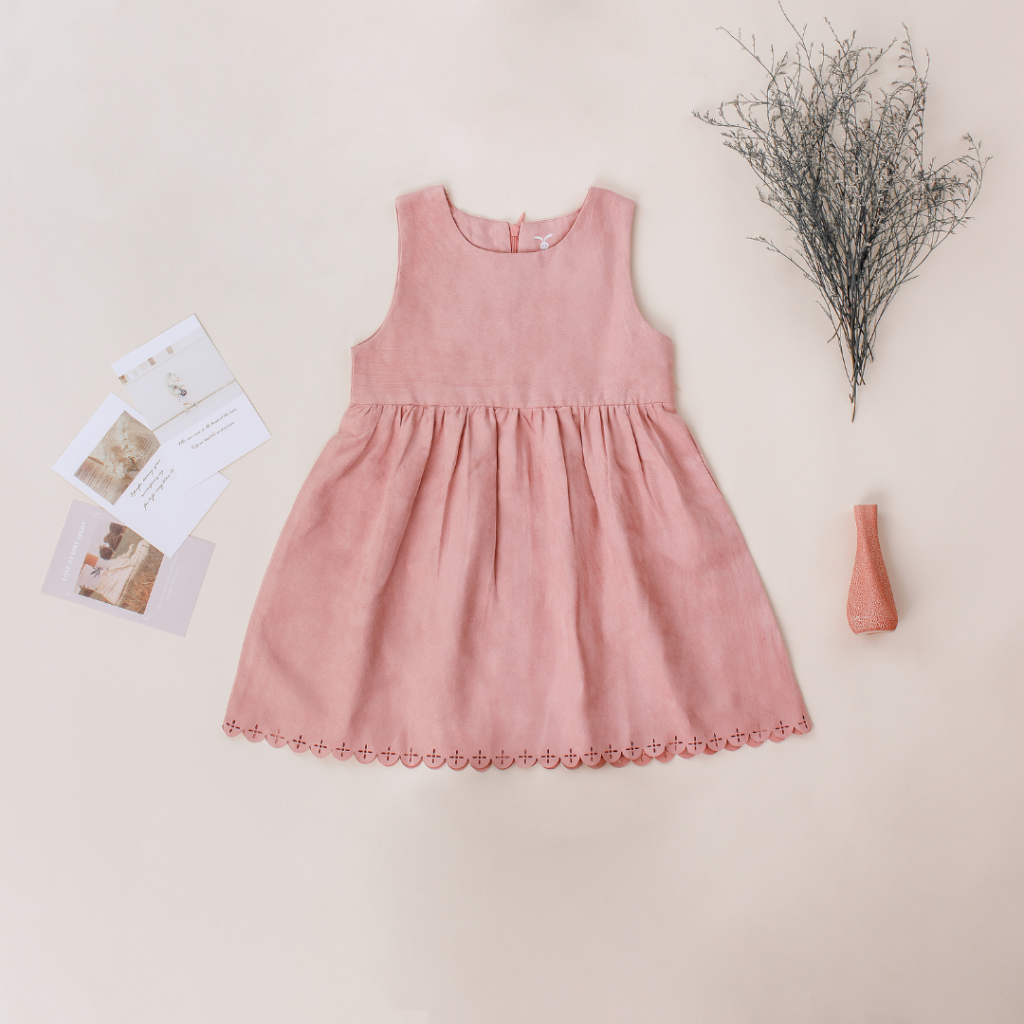
Durability Makes Organic Baby Clothing a Smart Investment
Babies grow quickly, but their clothing still experiences considerable wear. Frequent washing, feeding spills, active play, and everyday use place significant demands on baby garments.
One reason parents invest in organic baby clothing is the perception of higher quality and durability. Premium organic cotton baby wear often maintains its softness, shape, and appearance through repeated laundering. This longevity helps families maximize the value of each purchase.
Durable baby clothing can also be passed down to younger siblings or shared with relatives and friends. This extended usability supports more responsible consumption habits while reducing unnecessary waste.
For families seeking practical baby wardrobe essentials, durability is often just as important as style and comfort.
Organic Baby Fashion Supports Sustainable Living
Environmental awareness has become a major influence on modern purchasing decisions. Many parents are actively seeking ways to reduce their environmental footprint while making responsible choices for their families.
Sustainable baby clothing aligns with these goals by promoting more environmentally conscious production methods. Organic farming practices often emphasize resource conservation and responsible land management, making organic baby fashion attractive to eco-conscious consumers.
The appeal of eco-friendly baby clothes extends beyond environmental concerns. Parents increasingly view sustainability as an investment in the future. Choosing organic baby clothing allows families to support practices that prioritize long-term environmental well-being.
As climate concerns continue to shape consumer behavior, sustainable baby fashion is expected to remain a growing priority for modern households.
The Shift Away From Fast Fashion
The children’s apparel industry has traditionally been influenced by fast-fashion trends, where affordability often takes precedence over quality. However, many parents are beginning to move away from this approach.
Organic baby clothing offers an alternative that emphasizes craftsmanship, durability, and thoughtful production. Instead of purchasing large volumes of low-cost garments that may wear out quickly, families are investing in pieces designed to last longer.
This change reflects a growing desire for value-driven shopping habits. Parents are becoming more selective and focusing on products that deliver meaningful benefits rather than temporary appeal.
As awareness increases, organic baby clothes continue to gain momentum as a practical alternative to disposable fashion cycles.
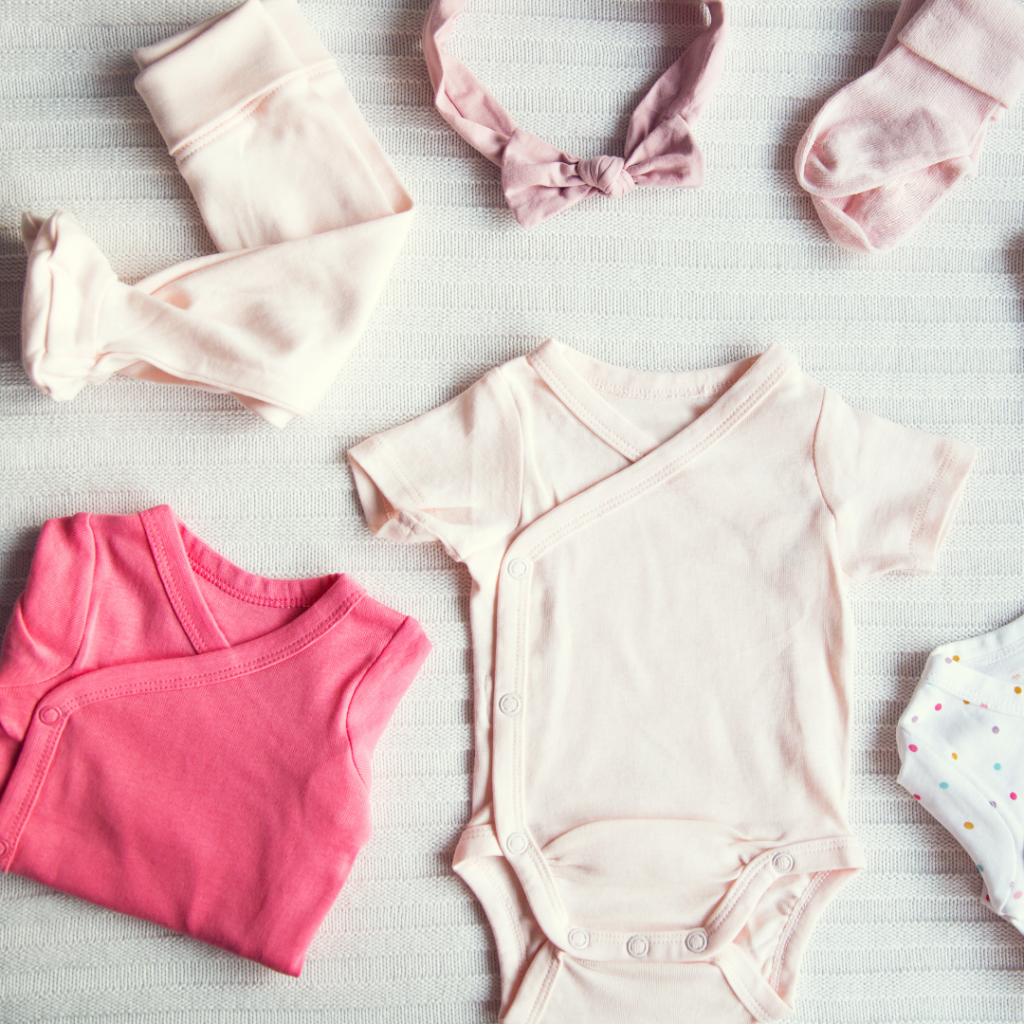
Style and Sustainability Can Coexist
A common misconception is that sustainable clothing lacks style or variety. In reality, organic baby fashion has evolved dramatically in recent years.
Today’s organic baby clothing brands offer a wide selection of colors, patterns, prints, and modern designs. Parents can easily find fashionable outfits that align with current baby fashion trends while maintaining a commitment to sustainability.
Designers are increasingly blending aesthetics with functionality, creating collections that appeal to modern families. This combination of style and responsibility has contributed significantly to the popularity of organic baby wear.
The ability to choose beautiful clothing without compromising personal values has made organic baby fashion even more attractive to today’s consumers.
Why Modern Parents Value Quality Over Quantity
Parenting trends increasingly emphasize intentional living and thoughtful consumption. Rather than accumulating excessive amounts of clothing, many families prefer building carefully curated wardrobes composed of versatile, high-quality pieces.
Organic baby clothing fits naturally within this philosophy. Premium garments often provide greater comfort, durability, and long-term value than lower-quality alternatives. As a result, parents view organic baby clothes as investments rather than simple purchases.
This quality-focused approach encourages families to prioritize essentials that support everyday comfort and practicality. By selecting fewer but better-made items, parents can create wardrobes that are both functional and sustainable.
The growing popularity of capsule wardrobes and minimalist parenting styles further reinforces the appeal of organic baby fashion.
The Future of Organic Baby Clothing
The future of organic baby clothing appears exceptionally bright. Consumer demand continues to grow as awareness of sustainability, product quality, and responsible manufacturing expands. More brands are entering the market with innovative collections designed to meet evolving expectations.
Advancements in textile technology and environmentally conscious production methods are expected to make organic baby clothes even more accessible in the coming years. Increased competition may also help improve affordability, allowing more families to benefit from premium organic products.
As younger generations of parents place greater emphasis on sustainability and transparency, organic baby fashion will likely continue its upward trajectory. What was once considered a specialized category is rapidly becoming a standard expectation within the baby apparel industry.
Conclusion
The growing investment in organic baby clothing reflects changing priorities among modern parents. Families today are looking beyond price tags and focusing on factors such as comfort, durability, sustainability, and overall value. Organic baby clothes successfully address these priorities while supporting more responsible consumption habits.
From the softness of organic cotton baby clothes to the environmental advantages associated with sustainable baby clothing, the benefits extend far beyond appearance. Parents appreciate products that align with their values while meeting the practical needs of everyday life.
As awareness continues to grow, organic baby fashion is expected to play an increasingly important role in shaping the future of children’s apparel. For parents seeking comfort, quality, and long-term value, investing in organic baby clothing is becoming a thoughtful and rewarding choice.
You May Also Read
Why Online Reviews Matter in Fashion: How Customer Feedback Shapes Smarter Shopping Decisions 2026
Why Online Reviews Matter in Fashion Online shopping has transformed...
Read More
Hair Care and Sleep Habits: How Better Sleep Supports Stronger, Healthier, and Shinier Hair 2026
Hair Care and Sleep Habits Beautiful, healthy hair is often...
Read MoreThe Science Behind Wrinkle-Resistant Clothing: How Modern Fabric Technology Keeps Clothes Looking Fresh 2026
The Science Behind Wrinkle-Resistant Clothing Modern clothing is expected to...
Read More