
Hair Care and Sleep Habits
Beautiful, healthy hair is often associated with premium shampoos, nourishing oils, conditioners, hair masks, and advanced styling products. While these products certainly play an important role, many people overlook another essential factor that quietly influences hair health every single day—sleep. Quality sleep gives the body valuable time to recover, repair tissues, regulate hormones, and support countless biological processes that contribute to stronger hair and a healthier scalp. Understanding Hair Care and Sleep Habits reveals that a consistent nighttime routine can be just as important as the products used during the day.
Hair follicles are living structures that depend on proper circulation, balanced hormones, adequate nutrition, and healthy cellular activity to function efficiently. During restful sleep, the body performs many restorative functions that support these processes. Poor sleep patterns, irregular bedtime routines, prolonged stress, and insufficient rest may gradually affect scalp health, hair texture, shine, and overall hair vitality. Although occasional sleepless nights rarely create immediate changes, long-term sleep disruption can influence the body’s natural ability to maintain healthy hair growth and repair daily environmental damage.
The growing interest in Hair Care and Sleep Habits reflects a broader understanding of holistic wellness. Hair health is closely connected to overall physical and mental well-being rather than depending solely on cosmetic treatments. Alongside balanced nutrition, hydration, stress management, and gentle hair care practices, quality sleep provides an environment where the body can effectively support healthy hair from within. A consistent sleep routine helps maintain hormonal balance, encourages healthy circulation, and contributes to stronger hair strands over time.
Understanding Hair Care and Sleep Habits also encourages people to adopt simple yet meaningful bedtime practices that reduce friction, minimize breakage, and protect delicate hair fibers throughout the night. Small adjustments such as choosing suitable pillowcases, avoiding overly tight hairstyles, gently brushing hair before bed, and maintaining a calm evening routine can collectively make a noticeable difference in preserving hair quality. These thoughtful habits help transform nighttime into an important part of a complete hair care routine.
Understanding the Connection Between Hair and Sleep
Hair growth follows natural biological cycles that rely on healthy body functions. During sleep, the body focuses on repair, recovery, and cellular renewal, creating favorable conditions for maintaining healthy hair and scalp function.
Understanding Hair Care and Sleep Habits begins with recognizing that hair health reflects overall wellness rather than isolated cosmetic care.
Rest supports natural recovery.
Healthy routines strengthen hair wellness.
Quality sleep contributes to long-term hair vitality.
Why Sleep Matters for Hair Health
Sleep provides an opportunity for the body to regulate hormones, restore energy, and repair tissues. These natural recovery processes indirectly support healthy scalp conditions and strong hair follicles.
Proper rest strengthens Hair Care and Sleep Habits.
Recovery encourages healthier hair.
Balanced body functions support hair quality.
Consistent sleep promotes overall wellness.
The Role of Nighttime Recovery
Throughout the day, hair is exposed to pollution, sunlight, humidity, styling tools, and environmental stress. Nighttime allows the body to recover while reducing additional external exposure.
Recovery enhances Hair Care and Sleep Habits.
Rest encourages cellular renewal.
Reduced environmental exposure protects hair.
Nighttime supports natural repair.
Healthy Sleep Supports Scalp Wellness
A healthy scalp provides the ideal environment for maintaining strong, vibrant hair. Proper sleep contributes to balanced body functions that help preserve scalp comfort and overall hair condition.
Scalp health strengthens Hair Care and Sleep Habits.
Healthy foundations support beautiful hair.
Balanced wellness benefits the scalp.
Comfort encourages long-term hair health.
Hair Protection During Sleep
Hair experiences continuous movement throughout the night. Friction between hair and bedding may gradually contribute to tangling, breakage, and rough texture if protective habits are ignored.
Protective routines improve Hair Care and Sleep Habits.
Gentle care reduces unnecessary friction.
Simple habits preserve hair texture.
Nighttime protection supports stronger strands.
Choosing the Right Pillowcase
Smooth pillowcase materials reduce friction between hair and fabric while helping maintain softness and minimizing tangles. This simple adjustment can support healthier-looking hair over time.
Pillowcase selection supports Hair Care and Sleep Habits.
Reduced friction protects delicate strands.
Smooth surfaces preserve hair quality.
Comfort contributes to better maintenance.
Brushing Hair Before Bed
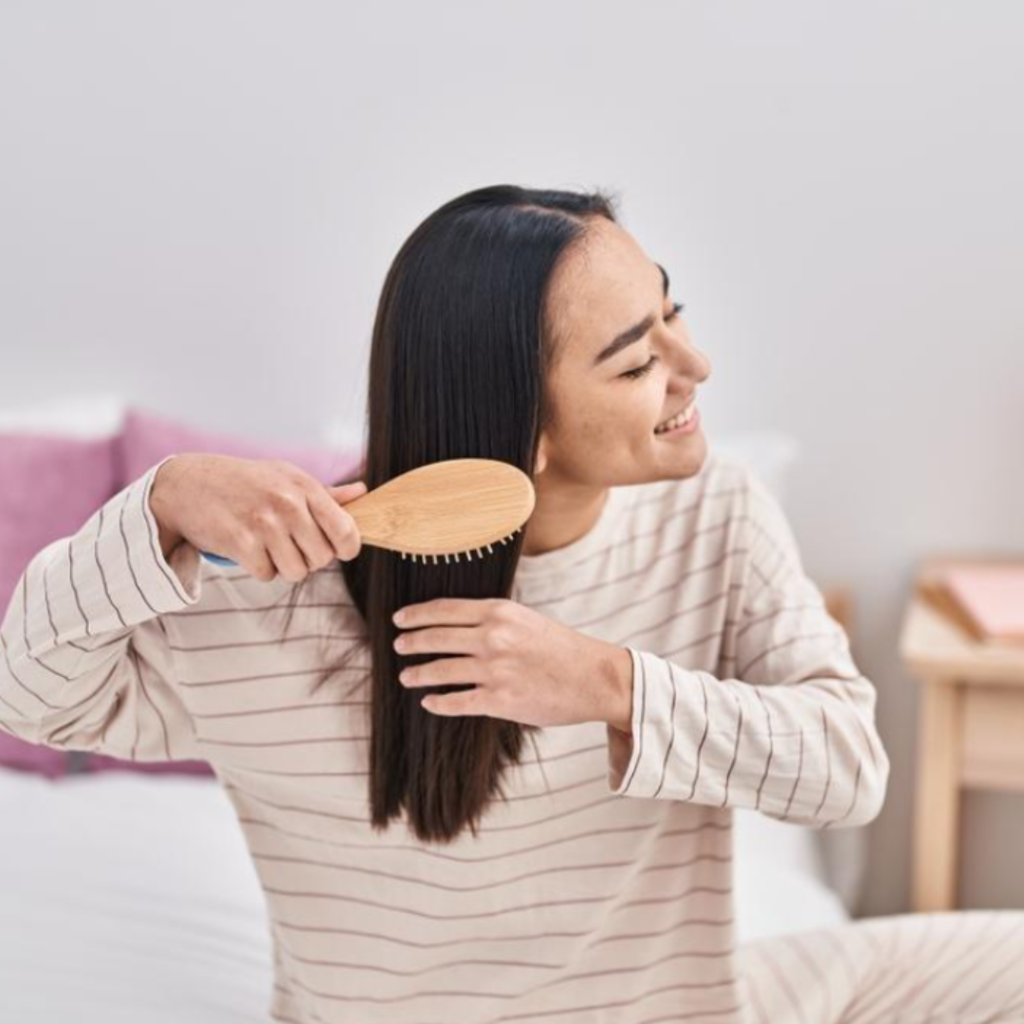
Gently brushing hair before sleeping helps distribute natural oils from the scalp through the hair while removing minor tangles accumulated throughout the day.
Brushing strengthens Hair Care and Sleep Habits.
Gentle grooming supports healthy texture.
Natural oils improve hair appearance.
Careful handling prevents unnecessary breakage.
Avoiding Tight Hairstyles at Night
Very tight ponytails, buns, or braids may place continuous tension on hair strands and roots while sleeping. Loose protective hairstyles reduce unnecessary stress on delicate fibers.
Protective styling enhances Hair Care and Sleep Habits.
Relaxed hairstyles improve comfort.
Reduced tension supports stronger hair.
Gentle routines encourage healthier strands.
Hydration and Hair Wellness
Proper hydration supports many body functions associated with healthy skin and scalp. Maintaining adequate fluid intake throughout the day contributes to overall hair wellness.
Hydration complements Hair Care and Sleep Habits.
Healthy hydration supports scalp comfort.
Balanced wellness improves hair condition.
Simple habits encourage lasting benefits.
Nutrition and Hair Health
Hair depends on balanced nutrition to maintain strength and appearance. A diet containing protein, vitamins, minerals, healthy fats, fruits, and vegetables supports healthy hair alongside consistent sleep.
Nutrition enriches Hair Care and Sleep Habits.
Healthy eating supports stronger hair.
Balanced nutrition improves overall wellness.
Good habits work together.
Managing Stress for Better Hair
Long-term emotional pressure may influence sleep quality and overall well-being. Relaxing evening routines help create a calmer environment that supports restful sleep and healthier daily habits.
Stress management improves Hair Care and Sleep Habits.
Relaxation supports better recovery.
Calm routines encourage consistent sleep.
Balanced wellness benefits hair care.
Nighttime Hair Care Routine
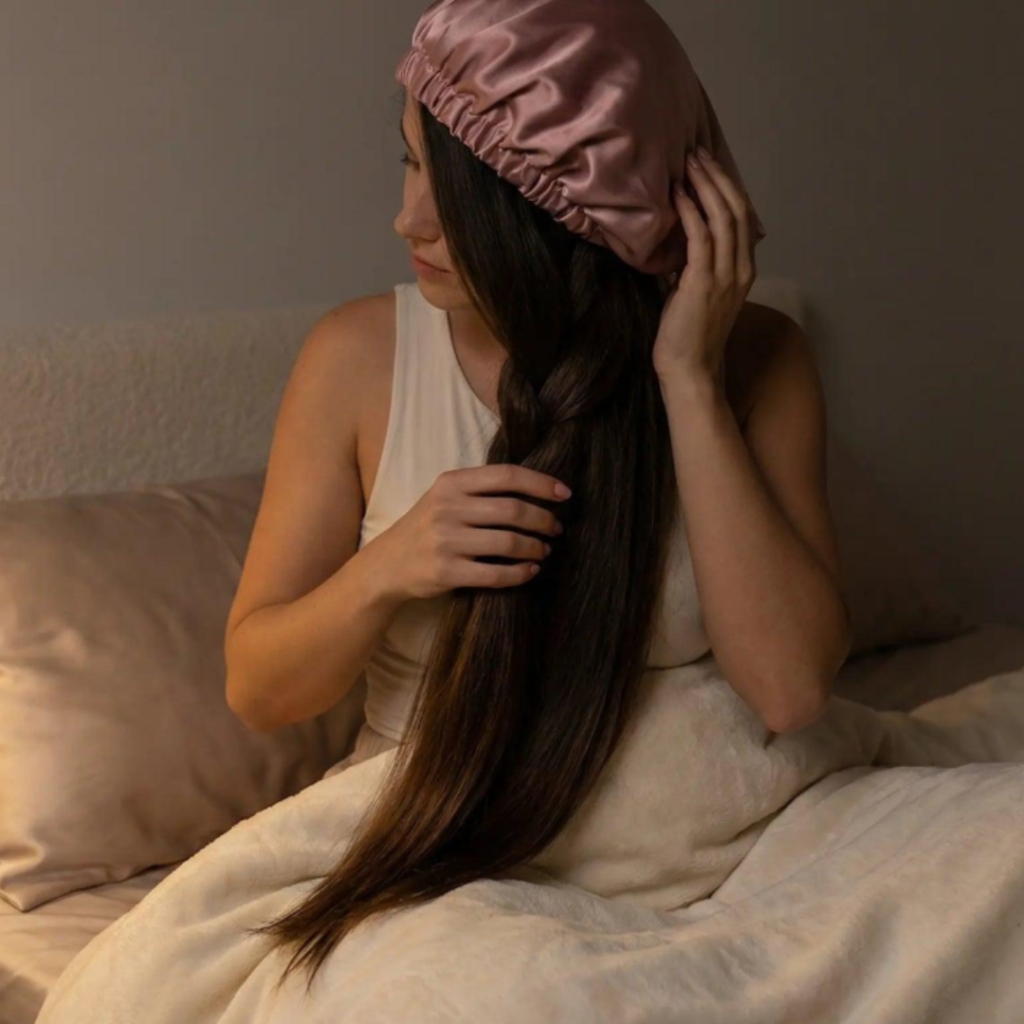
A simple evening routine may include gentle brushing, applying lightweight hair serum when appropriate, securing loose protective hairstyles, and ensuring hair is dry before sleeping.
Routine care strengthens Hair Care and Sleep Habits.
Consistency creates healthier habits.
Preparation reduces unnecessary damage.
Evening care protects hair overnight.
Avoiding Heat Damage Before Bed
Frequent exposure to excessive heat from styling tools may gradually weaken hair structure. Allowing hair to rest naturally overnight reduces additional stress on strands.
Heat awareness supports Hair Care and Sleep Habits.
Reduced heat preserves natural strength.
Gentle styling improves long-term quality.
Healthy habits maintain beautiful hair.
The Importance of Consistency
Hair health develops gradually through repeated healthy choices rather than occasional treatments. Small daily improvements often produce noticeable long-term results.
Consistency reinforces Hair Care and Sleep Habits.
Routine care encourages steady improvement.
Healthy habits build lasting results.
Patience supports stronger hair.
Lifestyle Habits That Complement Healthy Hair
Regular physical activity, balanced nutrition, hydration, gentle hair care, proper sleep, and stress management work together to support healthy-looking hair. No single habit produces lasting results in isolation.
Holistic wellness strengthens Hair Care and Sleep Habits.
Balanced living supports hair vitality.
Healthy routines complement one another.
Overall wellness improves appearance.
Common Nighttime Mistakes That Affect Hair
Sleeping with wet hair, using rough pillowcases, tying extremely tight hairstyles, neglecting scalp hygiene, or maintaining inconsistent sleep schedules may gradually reduce hair quality over time.
Avoiding these habits improves Hair Care and Sleep Habits.
Awareness prevents unnecessary problems.
Simple adjustments protect hair.
Thoughtful care preserves long-term health.
Why Beauty Sleep Benefits Hair
The phrase “beauty sleep” reflects the body’s remarkable ability to recover during restful nights. Quality sleep supports natural repair processes that influence skin, scalp, and overall physical wellness.
Recovery reinforces Hair Care and Sleep Habits.
Sleep encourages healthy restoration.
Balanced routines improve natural beauty.
Rest contributes to long-term hair care.
Conclusion
Hair Care and Sleep Habits are closely connected because healthy hair depends not only on external products but also on the body’s ability to recover, restore, and maintain balanced biological functions during restful sleep. While shampoos, conditioners, nourishing oils, and protective styling routines remain valuable, quality sleep provides the foundation that supports healthy scalp conditions, stronger hair strands, improved texture, and long-term hair vitality. By combining consistent bedtime routines with gentle hair care practices, balanced nutrition, hydration, stress management, and thoughtful protection during sleep, individuals can create an environment where hair remains healthier, smoother, and more resilient over time.
As more people embrace holistic approaches to beauty and wellness, the importance of Hair Care and Sleep Habits continues to grow. Small nightly improvements such as using smooth pillowcases, avoiding tight hairstyles, gently brushing hair before bed, maintaining regular sleep schedules, and protecting hair from unnecessary friction can make a meaningful difference in preserving its natural strength and shine. Healthy hair is rarely the result of a single product or treatment; instead, it reflects consistent daily habits that nurture both the body and the scalp. By making restful sleep an essential part of every hair care routine, individuals can enjoy stronger, healthier, and more vibrant hair for years to come.