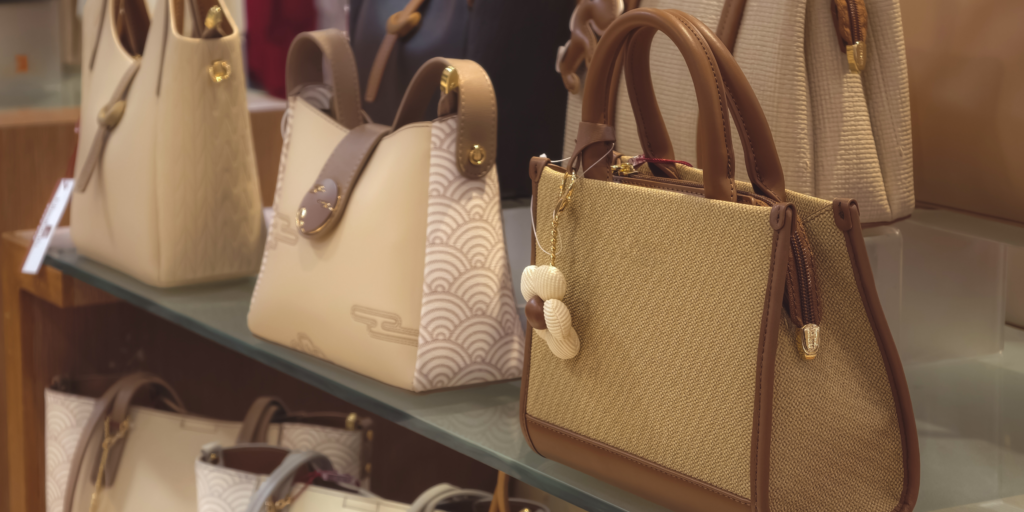
The Evolution of Designer Handbags as Status Symbols
The Lasting Power of Luxury Handbags in Fashion Culture
Designer handbags have remained one of the strongest symbols of luxury, prestige, and social identity for decades. In 2026, the evolution of designer handbags as status symbols continues shaping global fashion culture, consumer psychology, and luxury lifestyle trends. What once began as a practical accessory designed for carrying personal belongings has transformed into a powerful representation of wealth, sophistication, emotional identity, and personal success.
Luxury handbags are no longer viewed only as fashion products. They have become emotional investments, cultural icons, and visual statements connected to social perception and lifestyle aspirations. Consumers across different generations now purchase premium handbags not only for functionality but also for the emotional confidence and symbolic value associated with designer fashion brands.
The growing popularity of luxury handbags positively supports craftsmanship, artistic design, and fashion innovation. However, increasing obsession with status-driven accessories may also create emotional pressure, social comparison, and financially unrealistic expectations within modern consumer culture. Despite these concerns, designer handbags continue maintaining extraordinary influence within the fashion industry.
The Early History of Designer Handbags
The journey of designer handbags as status symbols began centuries ago when luxury accessories were primarily connected to aristocracy and elite social classes. Early handbags were handcrafted using premium materials such as fine leather, silk fabrics, and metal embellishments, making them accessible mainly to wealthy individuals.
As luxury fashion houses emerged in Europe, handbags gradually evolved from simple practical items into elegant symbols of refinement and prestige. Wealthy consumers began viewing designer accessories as visual representations of social rank, emotional sophistication, and cultural influence. Luxury craftsmanship and exclusivity became central elements within handbag culture.
This historical evolution positively preserved artisanal traditions and elevated fashion craftsmanship into cultural artistry. However, luxury exclusivity also reinforced strong social divisions where expensive accessories became symbols of financial privilege and status competition.
Celebrity Culture Transforming Handbag Trends
Celebrity influence dramatically accelerated the rise of designer handbags as status symbols. In modern fashion culture, celebrities, actors, musicians, and influencers constantly showcase luxury handbags through social media, red carpet events, fashion campaigns, and street-style photography.
Iconic designer bags gained global popularity because audiences emotionally connected them with glamorous lifestyles, confidence, and aspirational success. Celebrity endorsements transformed luxury handbags into cultural phenomena that extended beyond fashion into entertainment and digital identity.
Social media platforms such as Instagram and TikTok further strengthened this influence by making luxury accessories highly visible to millions of consumers worldwide. This visibility positively expanded fashion inspiration and luxury branding creativity. Nevertheless, excessive celebrity-driven consumer culture may also encourage emotional comparison and financially unhealthy shopping behavior.
Luxury Handbags and Emotional Psychology
One major reason designer handbags remain powerful status symbols is their deep connection to emotional psychology. Luxury accessories often create feelings of confidence, achievement, exclusivity, and emotional reward. Consumers frequently associate premium handbags with personal success, ambition, and social recognition.
Owning a designer handbag can influence emotional self-perception because luxury fashion often functions as a visible expression of identity and lifestyle aspirations. Many consumers feel emotionally empowered when carrying iconic handbags associated with elegance, refinement, and social visibility.
This emotional connection positively strengthens confidence and self-expression. However, emotional dependence on luxury status symbols may occasionally create insecurity if individuals begin connecting personal value too strongly with external fashion validation.
The Rise of Iconic Handbag Designs
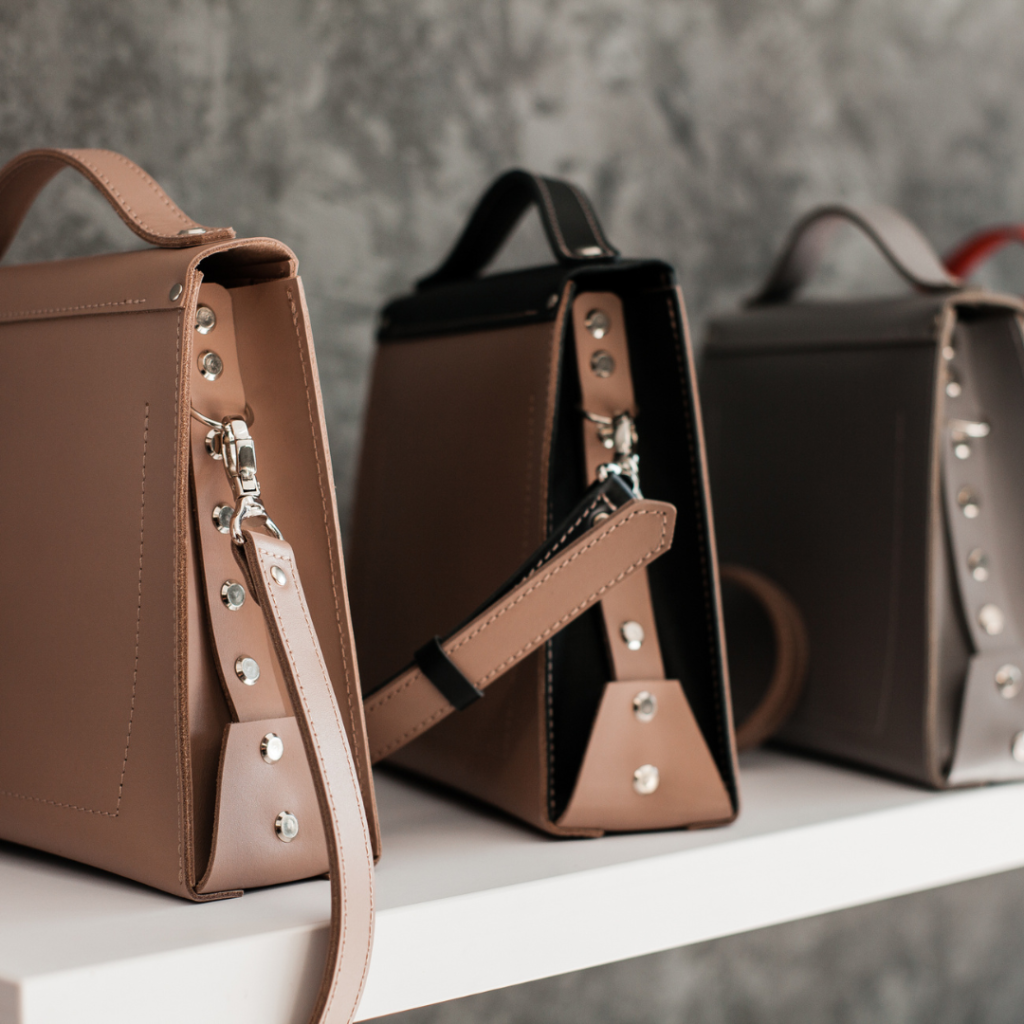
Certain designer handbags have achieved legendary cultural status because of timeless design, exclusivity, and emotional storytelling. Structured leather handbags, monogram accessories, quilted designs, minimalist luxury totes, and limited-edition collections have become symbols of fashion heritage and social prestige.
Luxury brands carefully create emotional narratives around handbags by emphasizing craftsmanship, rarity, celebrity associations, and historical significance. Consumers increasingly view iconic bags as long-term investments rather than temporary fashion purchases.
Timeless handbag design positively supports sustainable luxury culture and appreciation for artistic craftsmanship. However, increasing resale prices and limited availability may also create exclusivity barriers and emotionally competitive consumer environments.
Quiet Luxury Changing Handbag Trends
Quiet luxury is significantly transforming the evolution of designer handbags as status symbols in 2026. Many modern consumers are moving away from oversized logos and loud branding toward minimalist handbags that reflect understated sophistication and emotional refinement.
Simple leather totes, monochromatic handbags, subtle detailing, and timeless silhouettes are replacing highly visible logo-heavy accessories. Consumers now associate quiet luxury handbags with maturity, intelligence, and emotionally balanced style rather than aggressive wealth display.
This transition positively supports timeless fashion values and mindful luxury consumption. Nevertheless, quiet luxury aesthetics may sometimes appear emotionally exclusive because premium craftsmanship often remains financially inaccessible for broader audiences.
Social Media and Digital Luxury Culture
Digital culture has completely changed how luxury handbags influence consumer behavior. Social media platforms continuously expose audiences to designer accessories through influencer content, fashion hauls, celebrity lifestyles, and luxury unboxing videos.
Luxury handbags have become important elements within online identity construction and aesthetic branding. Consumers frequently use designer bags to communicate success, taste, and emotional sophistication through digital photographs and lifestyle content.
Social media positively expands global access to fashion inspiration and luxury storytelling. However, constant exposure to highly curated luxury lifestyles may also contribute to emotional dissatisfaction and unrealistic financial expectations among younger audiences.
Designer Handbags as Investment Pieces
Modern consumers increasingly view luxury handbags as investment assets rather than simple fashion accessories. Limited-edition collections, rare designs, and iconic handbag models often appreciate in resale value over time because of exclusivity and market demand.
Luxury handbag resale markets are expanding rapidly in 2026, attracting consumers interested in fashion investment opportunities and sustainable shopping alternatives. Vintage designer bags and rare luxury pieces now function similarly to collectible art within certain fashion communities.
Investment-driven fashion positively supports appreciation for quality craftsmanship and long-term value. However, turning fashion into financial speculation may sometimes reduce emotional authenticity and transform personal style into status-focused competition.
Sustainability Influencing Luxury Handbag Culture
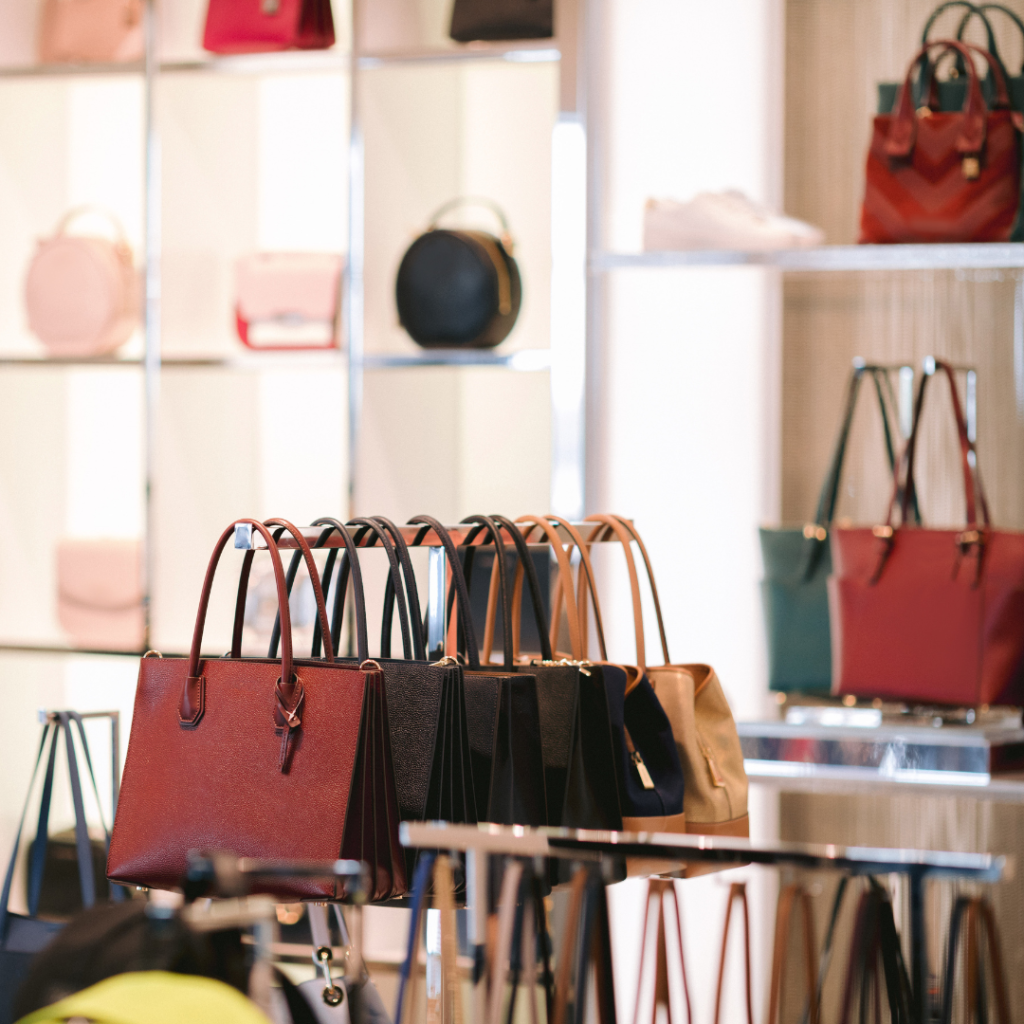
Sustainability is becoming increasingly important within luxury handbag culture. Consumers are now questioning overconsumption and seeking timeless accessories that remain stylish for years rather than following short-lived trend cycles.
Many luxury brands are introducing eco-friendly leather alternatives, ethical production methods, recycled materials, and slow-fashion handbag collections to align with modern sustainability values. Vintage designer handbags are also gaining popularity because consumers appreciate their durability and environmental benefits.
Sustainable luxury positively supports responsible consumer behavior and environmental awareness. However, sustainable designer handbags often remain expensive, limiting accessibility for many consumers interested in ethical fashion choices.
Gender-Neutral Handbag Fashion Growing
The evolution of designer handbags is also connected to changing gender norms within modern fashion culture. Luxury handbags are increasingly becoming gender-neutral accessories rather than products limited by traditional fashion expectations.
Minimalist crossbody bags, structured totes, leather satchels, and monochromatic luxury accessories are now widely embraced across different identities and fashion communities. Consumers appreciate versatile designs that prioritize functionality and emotional self-expression over rigid styling rules.
Gender-neutral handbag culture positively supports inclusivity and creative individuality. Nevertheless, evolving luxury fashion norms may occasionally feel emotionally unfamiliar for audiences strongly connected to traditional fashion standards.
Fast Fashion and Luxury Imitation Culture
The growing popularity of designer handbags has also influenced fast-fashion markets and counterfeit industries. Affordable imitation products frequently copy luxury handbag aesthetics to satisfy consumers seeking status-driven fashion experiences at lower prices.
This trend reflects how strongly luxury handbags influence social identity and modern consumer psychology. However, counterfeit fashion negatively impacts original craftsmanship, brand integrity, and sustainable production values within the fashion industry.
While imitation culture increases accessibility to trending aesthetics, it may also weaken appreciation for authentic design artistry and ethical manufacturing practices.
Technology and the Future of Luxury Handbags
Technology is reshaping luxury handbag culture through AI personalization, virtual fashion experiences, blockchain authentication, and digital luxury marketplaces. Smart luxury accessories, virtual handbag collections, and augmented reality shopping experiences are becoming increasingly influential in modern fashion culture.
Consumers now expect personalized digital experiences that combine convenience, exclusivity, and emotional engagement within luxury shopping environments. Fashion brands are adapting by creating immersive online experiences connected to premium handbag collections.
Technology positively strengthens accessibility and innovation within luxury fashion. However, excessive digital commercialization may occasionally reduce emotional intimacy and traditional craftsmanship associated with classic luxury accessories.
Designer Handbags and Social Identity
Designer handbags remain powerful because they communicate social identity and emotional aspirations through visual symbolism. Consumers often select luxury accessories that align with personal values, lifestyle ambitions, professional identity, or desired social perception.
Minimalist handbags may reflect quiet confidence and emotional sophistication, while bold statement bags communicate visibility and expressive energy. Fashion accessories function as emotional language within modern social interaction and digital culture.
This symbolic role positively supports individuality and creative self-expression. However, excessive emphasis on visible luxury may sometimes create social comparison and emotionally unhealthy competition regarding material success.
The Future of Designer Handbags as Status Symbols
The future of designer handbags appears highly connected to emotional storytelling, sustainability, digital innovation, and personalized luxury experiences. Consumers are becoming more intentional about fashion purchases and increasingly seek accessories that combine timeless style with emotional meaning and ethical responsibility.
Luxury brands will likely continue balancing heritage craftsmanship with modern technological advancement to maintain relevance within changing global markets. Quiet luxury, sustainable production, digital authentication, and gender-neutral design will continue influencing future handbag trends.
The evolution of designer handbags as status symbols represents much more than changing fashion preferences alone. Luxury handbags reflect emotional psychology, social identity, cultural aspiration, and modern consumer behavior in deeply powerful ways. While conversations surrounding materialism, exclusivity, and social pressure remain important, designer handbags continue shaping global fashion culture through timeless craftsmanship, emotional symbolism, and evolving expressions of personal identity in 2026 and beyond.
You May Also Read
Why Online Reviews Matter in Fashion: How Customer Feedback Shapes Smarter Shopping Decisions 2026
Why Online Reviews Matter in Fashion Online shopping has transformed...
Read More
Hair Care and Sleep Habits: How Better Sleep Supports Stronger, Healthier, and Shinier Hair 2026
Hair Care and Sleep Habits Beautiful, healthy hair is often...
Read MoreThe Science Behind Wrinkle-Resistant Clothing: How Modern Fabric Technology Keeps Clothes Looking Fresh 2026
The Science Behind Wrinkle-Resistant Clothing Modern clothing is expected to...
Read More