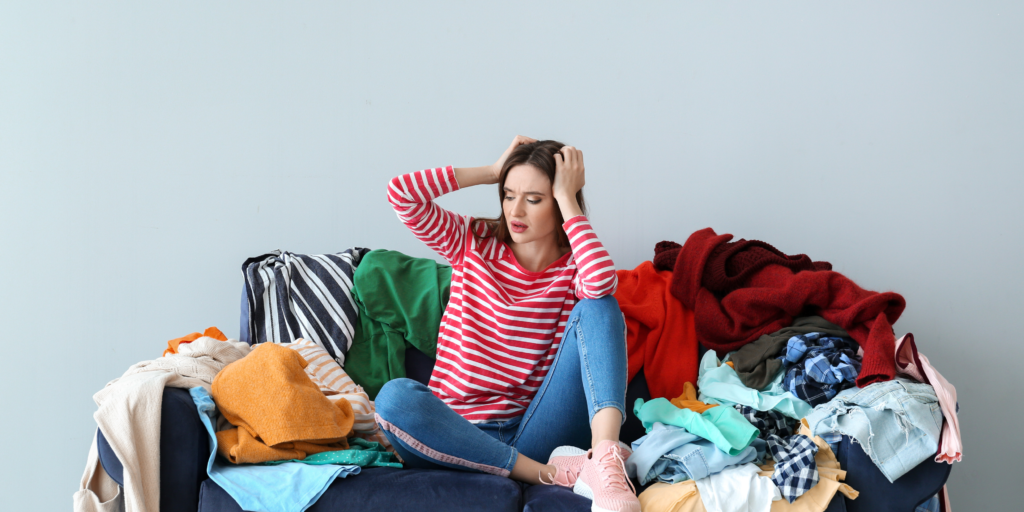
Why “Messy Fashion” Is Becoming Popular in 2026
The Rise of Unfiltered Fashion Culture
Fashion trends are constantly evolving, but one of the most surprising movements dominating the fashion industry in 2026 is messy fashion. What was once considered careless, unorganized, or unfinished is now becoming a major symbol of individuality, comfort, and creative rebellion. Messy fashion is rapidly influencing streetwear culture, celebrity styling, social media aesthetics, and even luxury fashion collections across the world.
Modern consumers are increasingly rejecting perfectly polished appearances and unrealistic beauty standards. Instead, they are embracing oversized outfits, wrinkled fabrics, chaotic layering, mismatched combinations, and effortless styling that reflects emotional authenticity and personal freedom. This shift demonstrates how fashion is becoming more emotionally driven and less focused on rigid perfection.
The growing popularity of messy fashion positively encourages self-expression and relaxed confidence. However, critics argue that excessive carelessness in styling may reduce attention to craftsmanship and weaken traditional fashion elegance. Despite these debates, messy fashion continues reshaping modern style culture with strong emotional and visual impact.
Social Media Encouraging Imperfect Aesthetics
One major reason messy fashion is becoming popular is the powerful influence of social media platforms such as TikTok, Instagram, and Pinterest. Younger audiences are increasingly attracted to raw, spontaneous, and imperfect fashion content rather than overly edited luxury aesthetics. Fashion creators are sharing casual mirror selfies, oversized outfits, messy hairstyles, layered streetwear, and intentionally disorganized looks that feel more realistic and emotionally relatable.
Consumers are becoming emotionally exhausted by years of unrealistic influencer perfection and highly curated digital appearances. Messy fashion offers a refreshing alternative that feels more natural, approachable, and authentic. The rise of “unstyled style” and effortless dressing reflects a cultural desire for emotional honesty within fashion and lifestyle content.
Social media positively helps normalize individuality and creative freedom through messy fashion trends. At the same time, constantly chasing “effortless perfection” can ironically create another form of social pressure where people try too hard to appear naturally careless.
Oversized Clothing Defining Messy Fashion Trends
Oversized fashion plays a central role in modern messy fashion aesthetics. Baggy hoodies, loose jeans, oversized blazers, slouchy knitwear, and relaxed trousers are becoming essential pieces within chaotic streetwear culture. These oversized silhouettes create comfortable and visually relaxed outfits that contrast sharply with highly structured or body-focused fashion trends from previous years.
Consumers are increasingly prioritizing emotional comfort and freedom of movement over restrictive or overly polished clothing. Oversized messy fashion reflects calmness, confidence, and independence from traditional fashion expectations. Many people feel emotionally safer and more expressive in loose-fitting clothing that does not demand constant perfection.
This trend positively promotes body positivity and reduces pressure associated with unrealistic appearance standards. However, critics believe oversized messy styling may sometimes appear careless or unprofessional in certain social and workplace environments.
The Influence of Celebrity Street Style
Celebrities and influencers are significantly contributing to the popularity of messy fashion trends in 2026. Actors, musicians, models, and fashion creators are frequently seen wearing intentionally relaxed outfits featuring wrinkled shirts, layered streetwear, mismatched accessories, and effortless hairstyles. Celebrity street style is becoming less polished and more emotionally expressive.
Luxury fashion brands are even designing collections inspired by disorganized aesthetics, deconstructed tailoring, distressed fabrics, and imperfect layering techniques. This demonstrates how messy fashion is no longer viewed as accidental styling but as a carefully developed fashion statement with strong artistic influence.
Celebrity-driven messy fashion positively increases acceptance for unconventional beauty and relaxed personal styling. Nevertheless, some consumers may struggle to distinguish between intentionally artistic fashion choices and genuine lack of effort in personal presentation.
Emotional Comfort Driving Fashion Choices
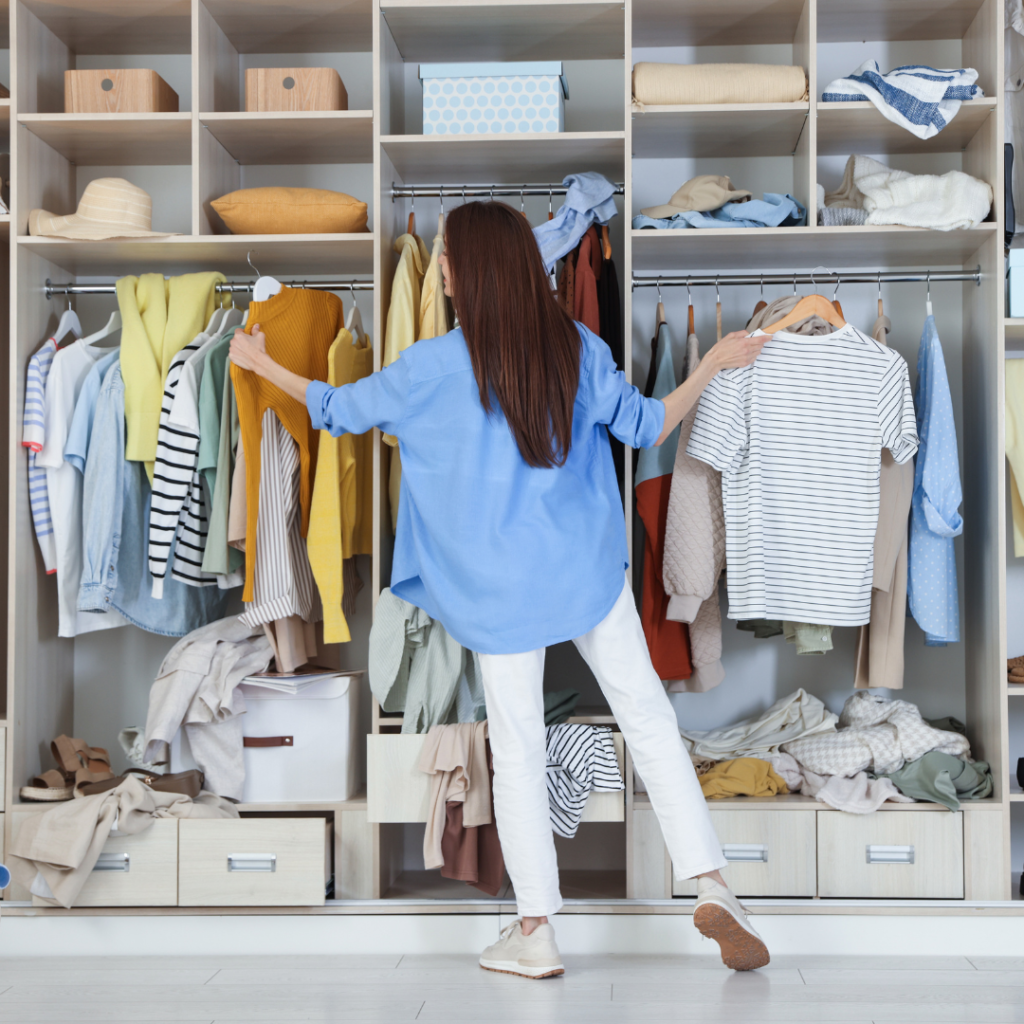
Another major reason messy fashion is becoming popular is the emotional comfort it provides. Modern lifestyles are increasingly stressful due to digital overload, work pressure, social expectations, and constant online visibility. As a result, many consumers are searching for fashion styles that feel emotionally calming and less demanding.
Messy fashion creates a sense of freedom from perfectionism. Wrinkled fabrics, casual layering, oversized clothing, and relaxed styling allow people to feel more natural and emotionally comfortable in daily life. Many consumers appreciate clothing that supports mental ease rather than requiring constant adjustment and flawless presentation.
This emotional connection positively supports authenticity and personal confidence. However, excessive dependence on extremely casual aesthetics may reduce motivation for self-discipline and polished appearance in professional settings.
Anti-Perfection Culture Influencing Fashion
Messy fashion trends are strongly connected to the rise of anti-perfection culture. Younger generations are increasingly questioning unrealistic standards promoted by traditional beauty industries and luxury fashion campaigns. Instead of chasing flawless appearances, consumers are embracing individuality, emotional vulnerability, and creative imperfection.
Fashion is becoming more focused on storytelling and emotional realism rather than strict visual symmetry. Distressed denim, unfinished hems, asymmetrical layering, faded fabrics, and intentionally chaotic styling reflect this cultural transformation toward raw authenticity.
Anti-perfection fashion positively encourages emotional honesty and creative experimentation. Nevertheless, some fashion experts argue that glorifying disorder too heavily may eventually weaken appreciation for craftsmanship, tailoring precision, and timeless elegance.
Messy Chic Becoming a Luxury Trend
Surprisingly, messy fashion is also becoming highly influential within luxury fashion markets. High-end brands are incorporating “messy chic” aesthetics into runway collections by using deconstructed tailoring, oversized silhouettes, layered textures, and distressed luxury fabrics.
Luxury messy fashion combines expensive craftsmanship with visually relaxed styling. Designer brands are intentionally creating outfits that appear spontaneous, unfinished, or casually assembled while maintaining premium quality materials and sophisticated design structures.
This trend positively demonstrates fashion’s growing acceptance of emotional realism and artistic individuality. However, critics argue that luxury messy fashion can appear overly performative when extremely expensive clothing is designed to imitate ordinary or disorganized appearances.
Layering and Mismatched Styling Trends
Layered outfits and mismatched combinations are becoming defining characteristics of messy fashion trends in 2026. Consumers are experimenting with unusual textures, oversized proportions, clashing patterns, and unpredictable clothing combinations to create expressive and visually dynamic outfits.
Messy layering reflects creativity and freedom from rigid styling rules. Hoodies under blazers, oversized shirts over baggy trousers, mixed vintage pieces, and contrasting accessories are becoming common within modern street fashion culture. This unpredictable approach to styling allows consumers to personalize outfits more freely.
Creative layering positively supports individuality and fashion experimentation. However, poorly balanced combinations may sometimes create overwhelming or visually confusing appearances that feel disconnected rather than artistic.
Vintage and Thrift Fashion Supporting Messy Aesthetics
The popularity of vintage fashion and thrift culture is also contributing to the growth of messy fashion trends. Secondhand clothing naturally carries relaxed textures, faded fabrics, oversized fits, and unique imperfections that align perfectly with messy aesthetics.
Consumers are increasingly mixing vintage garments with modern streetwear to create expressive and emotionally authentic outfits. Thrift fashion supports individuality because secondhand pieces often feel more personal and less commercially repetitive than fast-fashion trends.
Vintage messy fashion positively encourages sustainability and creative self-expression. Nevertheless, rising demand for thrifted aesthetics has increased resale prices in some markets, making certain vintage styles less affordable for younger consumers.
Gender-Neutral Fashion and Messy Style
Gender-fluid fashion movements are also influencing messy fashion trends. Oversized silhouettes, loose tailoring, neutral colors, and relaxed styling create versatile outfits that move beyond traditional gender expectations. Messy fashion often focuses more on emotional expression and comfort than rigid masculine or feminine styling rules.
This inclusive approach allows individuals to experiment more freely with personal appearance and identity. Many consumers appreciate messy fashion because it feels emotionally open and less restrictive.
Gender-neutral messy fashion positively strengthens self-expression and individuality. However, some traditional fashion audiences may resist evolving aesthetic standards and unconventional styling approaches.
Digital Fatigue Changing Fashion Preferences
Digital fatigue is another important factor behind the rise of messy fashion. Constant exposure to filtered content, highly edited photographs, and artificial perfection online has created emotional exhaustion for many consumers. As a response, messy fashion feels more human, spontaneous, and emotionally grounded.
Consumers are increasingly attracted to fashion that reflects real life instead of impossible beauty standards. Relaxed styling, natural textures, imperfect makeup, and casual outfits create a sense of authenticity that many people find emotionally refreshing.
This shift positively promotes healthier emotional relationships with fashion and self-image. However, social media platforms can still commercialize “authenticity,” turning messy fashion into another trend-driven performance rather than genuine self-expression.
The Influence of Music and Alternative Culture
Music culture continues shaping messy fashion trends through alternative aesthetics and rebellious self-expression. Indie musicians, punk-inspired artists, underground creatives, and experimental fashion communities are influencing chaotic streetwear and anti-polished styling movements.
Messy fashion often reflects emotional intensity, artistic rebellion, and resistance to mainstream beauty standards. Consumers attracted to alternative culture frequently use messy aesthetics to communicate individuality and emotional depth through fashion choices.
Alternative fashion positively expands creative diversity within the fashion industry. However, commercial overexposure may eventually reduce the originality and emotional authenticity that originally made messy fashion appealing.
The Future of Messy Fashion Trends
The future of messy fashion appears highly influential and emotionally driven. As consumers continue rejecting unrealistic perfection and embracing comfort-focused lifestyles, messy fashion will likely remain a dominant movement within streetwear, luxury fashion, and digital fashion culture.
Fashion brands are expected to continue exploring oversized silhouettes, deconstructed tailoring, distressed fabrics, relaxed layering, and emotionally expressive styling within future collections. Technology, sustainability, and gender-fluid fashion will also continue shaping the evolution of messy aesthetics.
Why messy fashion is becoming popular goes beyond simple clothing trends. It reflects a broader cultural transformation toward emotional honesty, creative individuality, and freedom from perfectionism. While concerns related to professionalism, over-commercialization, and visual disorder remain part of the conversation, messy fashion continues offering a refreshing and emotionally relatable alternative within modern style culture.
You May Also Read
Why Online Reviews Matter in Fashion: How Customer Feedback Shapes Smarter Shopping Decisions 2026
Why Online Reviews Matter in Fashion Online shopping has transformed...
Read More
Hair Care and Sleep Habits: How Better Sleep Supports Stronger, Healthier, and Shinier Hair 2026
Hair Care and Sleep Habits Beautiful, healthy hair is often...
Read MoreThe Science Behind Wrinkle-Resistant Clothing: How Modern Fabric Technology Keeps Clothes Looking Fresh 2026
The Science Behind Wrinkle-Resistant Clothing Modern clothing is expected to...
Read More