Old Money Fashion vs New Money Fashion Explained
Understanding the Difference Between Old Money and New Money Fashion
Fashion has always reflected social identity, wealth, lifestyle values, and emotional perception. In 2026, one of the biggest conversations dominating luxury fashion culture is the contrast between old money fashion vs new money fashion. These two aesthetics represent very different approaches to wealth, confidence, luxury, and personal style. While old money fashion focuses on understated elegance and timeless sophistication, new money fashion embraces visibility, bold branding, trend-driven luxury, and expressive status display.
The growing popularity of these fashion aesthetics is strongly connected to social media, celebrity culture, luxury marketing, and digital lifestyle trends. Consumers are increasingly fascinated by how wealthy lifestyles are visually represented through clothing choices, accessories, grooming habits, and fashion behavior. Both old money and new money styles influence modern wardrobes, luxury shopping patterns, and global fashion industries in powerful ways.
This fashion contrast positively encourages creative diversity and self-expression within luxury culture. However, it also creates emotional pressure surrounding status, social comparison, and appearance-based identity. Despite these concerns, old money and new money aesthetics continue shaping the future direction of modern fashion culture worldwide.
What Is Old Money Fashion?
Old money fashion is deeply connected to generational wealth, timeless elegance, emotional restraint, and quiet luxury. This aesthetic reflects the style traditionally associated with wealthy families whose financial status has existed for generations rather than newly achieved success. Old money fashion focuses less on attracting attention and more on refined sophistication and effortless confidence.
Neutral colors, tailored clothing, premium fabrics, and minimalist styling define this aesthetic. Linen shirts, tailored blazers, wool coats, cashmere sweaters, loafers, pearl jewelry, and monochromatic outfits are common elements within old money wardrobes. Consumers attracted to this style often prioritize craftsmanship, emotional calmness, and timeless design over flashy branding or short-lived trends.
The rise of old money fashion positively supports sustainable wardrobe habits and appreciation for quality craftsmanship. Nevertheless, critics argue that the aesthetic can sometimes romanticize exclusivity and social privilege through highly idealized luxury imagery.
What Is New Money Fashion?
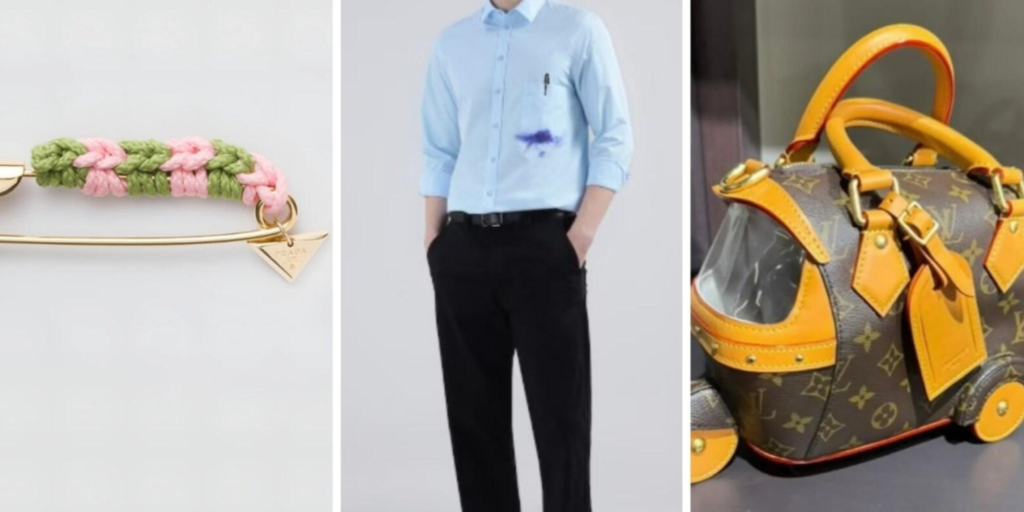
New money fashion represents modern wealth, visible luxury, and emotionally expressive style choices. Unlike old money aesthetics that emphasize subtle refinement, new money fashion often embraces designer logos, statement accessories, bold colors, luxury streetwear, and trend-focused styling to communicate success and social visibility.
Consumers drawn toward new money fashion usually enjoy fashion as a form of public recognition and personal celebration. Oversized designer logos, luxury sneakers, diamond accessories, branded handbags, and high-impact streetwear dominate this aesthetic. Social media influencers, celebrities, musicians, and entrepreneurs strongly influence new money fashion culture.
New money fashion positively encourages confidence, individuality, and creative self-expression. However, excessive focus on visible luxury may also create emotional pressure to constantly display wealth and social success through material possessions.
Quiet Luxury and Old Money Aesthetics
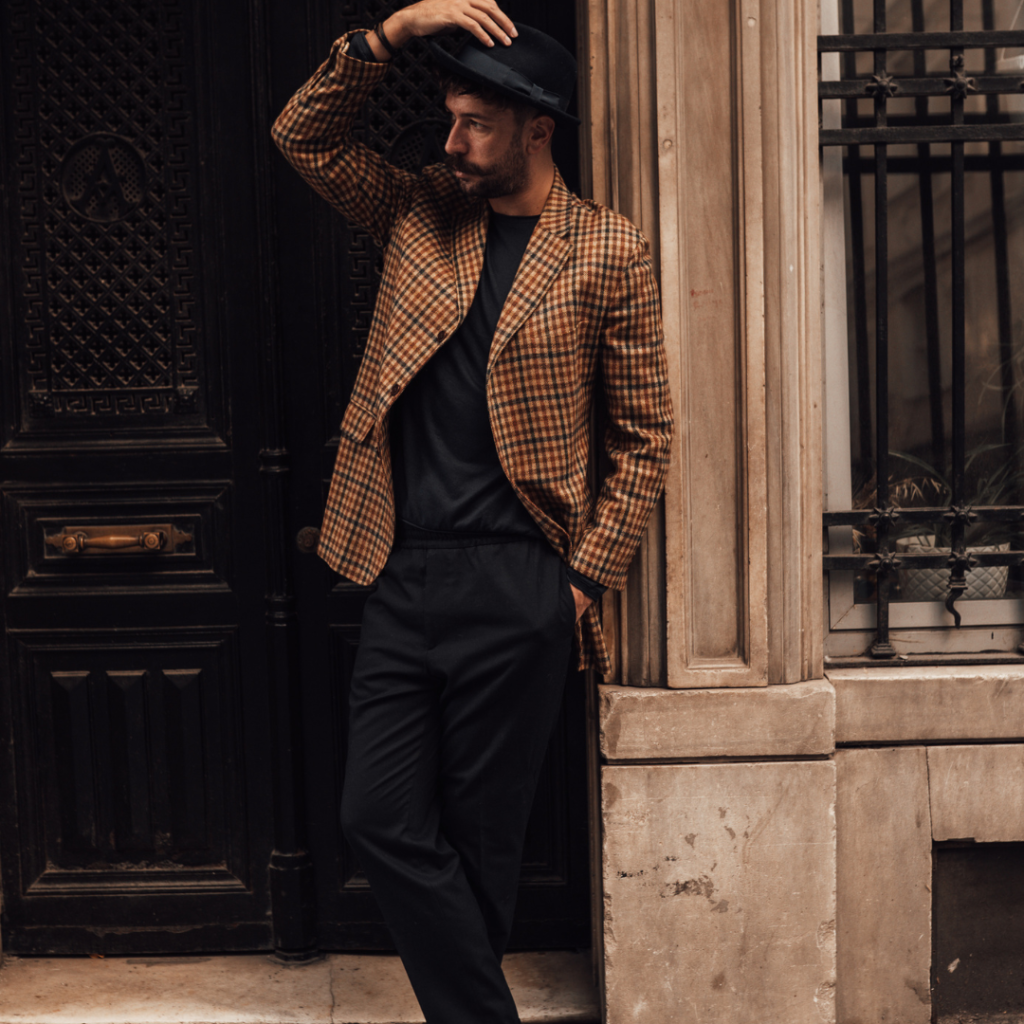
Quiet luxury has become one of the strongest fashion trends connected to old money style in 2026. Quiet luxury focuses on emotional sophistication, premium tailoring, neutral color palettes, and understated elegance rather than aggressive branding or trend-driven fashion hype.
Consumers increasingly admire old money aesthetics because they feel emotionally calm, mature, and timeless. Structured coats, tailored trousers, silk scarves, leather loafers, and minimalist jewelry create polished appearances without relying on loud logos or flashy accessories.
Quiet luxury positively supports long-term wardrobe investments and emotionally balanced fashion habits. Nevertheless, premium craftsmanship and luxury tailoring often come with high prices, making quiet luxury inaccessible for many consumers.
Loud Luxury and New Money Fashion
New money fashion is strongly connected to loud luxury aesthetics and highly visible designer branding. Consumers following this style often enjoy dramatic fashion choices that communicate financial success and emotional confidence through attention-grabbing outfits.
Luxury monograms, oversized designer logos, statement jewelry, luxury streetwear, and high-impact accessories dominate new money style culture. Fashion becomes a visual performance designed to strengthen social visibility and personal recognition.
This expressive approach positively supports individuality and bold creativity within modern fashion. However, constant exposure to status-driven luxury culture may also contribute to materialistic thinking and emotionally unhealthy social comparison.
Social Media Fueling Both Fashion Trends
Social media platforms play a massive role in the rise of both old money and new money fashion aesthetics. Instagram, TikTok, Pinterest, and YouTube constantly showcase luxury lifestyles, fashion inspiration, designer outfits, and curated wealth-focused aesthetics that attract millions of viewers worldwide.
Old money content usually features elegant tailoring, quiet luxury interiors, minimal styling, luxury travel, and calm visual aesthetics. In contrast, new money fashion content often highlights flashy cars, visible luxury brands, nightlife culture, and high-energy fashion statements.
Social media positively increases global fashion inspiration and creativity. However, excessive exposure to idealized wealth aesthetics may also create emotional dissatisfaction and unrealistic lifestyle expectations among younger audiences.
The Role of Celebrity Culture
Celebrities and influencers strongly shape how old money and new money fashion trends are perceived within modern culture. Actors, entrepreneurs, athletes, musicians, and social media personalities regularly showcase both aesthetics depending on personal branding strategies and audience engagement goals.
Business leaders and luxury fashion icons often embrace old money fashion because it communicates emotional stability, sophistication, and timeless elegance. Meanwhile, entertainment figures and younger influencers frequently prefer new money aesthetics because bold luxury styling increases visibility and digital attention.
Celebrity influence positively expands fashion diversity and trend awareness. Nevertheless, celebrity-driven luxury culture may sometimes encourage excessive emotional dependence on social validation and appearance-based identity.
Tailoring and Craftsmanship in Old Money Fashion
Tailoring plays a central role within old money fashion culture. Well-fitted blazers, structured outerwear, wool trousers, and refined silhouettes create visually balanced outfits that reflect emotional discipline and sophistication. Craftsmanship and fabric quality matter more than obvious branding within this aesthetic.
Consumers attracted to old money fashion often appreciate timeless wardrobe pieces designed to remain stylish for many years rather than temporary viral trends. Tailored clothing creates emotional confidence and understated luxury without excessive visual distraction.
Tailoring positively supports sustainable fashion values and timeless elegance. However, high-quality tailoring and luxury fabrics may feel financially inaccessible for consumers seeking affordable style alternatives.
Streetwear and New Money Luxury
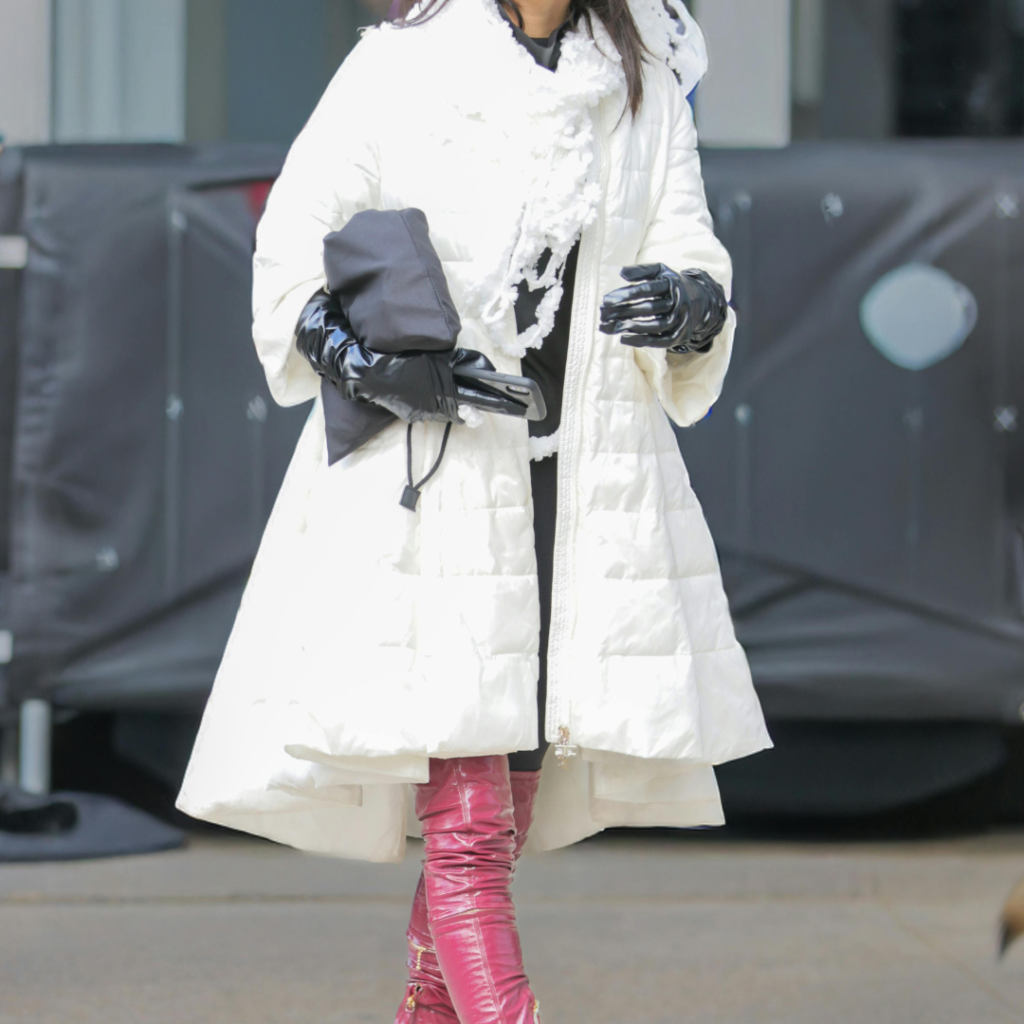
Streetwear culture strongly influences new money fashion aesthetics in 2026. Luxury sneakers, oversized hoodies, designer collaborations, graphic jackets, and high-impact accessories dominate this style movement. New money fashion often combines luxury branding with urban streetwear energy to create emotionally expressive and visually dominant outfits.
Younger consumers especially connect with new money fashion because it reflects ambition, visibility, and digital culture influence. Fashion becomes part of online identity construction and social media storytelling.
Streetwear-inspired luxury positively strengthens creativity and youth-driven fashion innovation. However, rapidly changing hype trends may encourage overconsumption and emotionally impulsive shopping habits.
Emotional Psychology Behind Luxury Fashion Choices
The emotional psychology behind old money and new money fashion is deeply important. Consumers attracted to old money aesthetics often seek emotional calmness, timeless sophistication, and understated confidence. Their fashion choices reflect emotional control and long-term lifestyle stability.
Consumers who prefer new money fashion frequently enjoy emotional excitement, social recognition, and bold visual expression through fashion. Luxury becomes a tool for celebrating achievement and building visible identity.
Both styles positively support self-expression and emotional individuality. However, excessive attachment to luxury symbolism may sometimes create insecurity and financial pressure if personal confidence becomes overly connected to designer fashion.
Sustainability and Luxury Fashion Trends
Sustainability is increasingly influencing both old money and new money fashion cultures. Old money aesthetics naturally align with slow fashion because they focus on timeless clothing, durable fabrics, and long-term wardrobe investments. Vintage tailoring, leather loafers, wool coats, and classic handbags remain wearable across decades.
New money fashion brands are also exploring sustainability through eco-friendly streetwear collections and ethical luxury production methods. However, fast-changing trend cycles within visible luxury culture still create concerns regarding excessive consumption and environmental waste.
Sustainable fashion positively supports environmental awareness and responsible shopping habits. Nevertheless, sustainable luxury products often remain expensive, limiting broader accessibility.
Gender-Neutral Luxury Fashion Emerging
Gender-fluid fashion trends are influencing both old money and new money aesthetics. Oversized tailoring, monochromatic styling, relaxed silhouettes, and versatile luxury pieces are becoming increasingly common across modern fashion collections.
Old money fashion embraces elegant universal tailoring, while new money fashion experiments with bold accessories, oversized proportions, and expressive styling regardless of traditional gender expectations. This evolution reflects growing cultural acceptance of emotional individuality and fashion freedom.
Gender-neutral luxury positively supports inclusivity and modern self-expression. However, changing style norms may still feel emotionally unfamiliar for audiences strongly connected to traditional luxury fashion standards.
The Future of Old Money vs New Money Fashion
The future of old money fashion vs new money fashion appears highly influential and emotionally driven. As digital culture, sustainability, luxury branding, and consumer psychology continue evolving, both aesthetics will likely remain dominant within global fashion markets.
Old money fashion is expected to grow further among consumers seeking timeless elegance, emotional sophistication, and sustainable wardrobe investments. New money fashion will likely continue thriving among younger audiences influenced by streetwear culture, social media visibility, and expressive luxury aesthetics.
Technology, artificial intelligence, and virtual fashion environments will also shape how luxury identity is represented in the future. Fashion brands will continue balancing exclusivity, emotional storytelling, and cultural relevance to attract diverse audiences.
Old money fashion vs new money fashion explained goes far beyond clothing preferences alone. These aesthetics reflect emotional values, social identity, consumer psychology, and modern cultural aspirations within luxury fashion culture. While both styles offer unique forms of self-expression and creativity, they also reveal how deeply fashion remains connected to confidence, status, lifestyle identity, and emotional storytelling in 2026 and beyond.
You May Also Read
Why Online Reviews Matter in Fashion: How Customer Feedback Shapes Smarter Shopping Decisions 2026
Why Online Reviews Matter in Fashion Online shopping has transformed...
Read More
Hair Care and Sleep Habits: How Better Sleep Supports Stronger, Healthier, and Shinier Hair 2026
Hair Care and Sleep Habits Beautiful, healthy hair is often...
Read MoreThe Science Behind Wrinkle-Resistant Clothing: How Modern Fabric Technology Keeps Clothes Looking Fresh 2026
The Science Behind Wrinkle-Resistant Clothing Modern clothing is expected to...
Read More