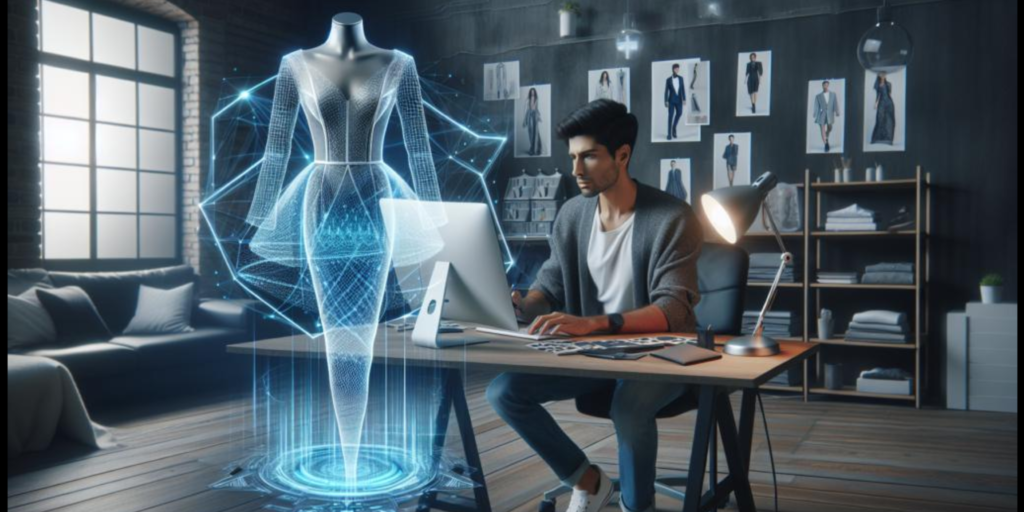
Future of Digital Fashion
Fashion has always evolved alongside culture, creativity, and technology. Over the last few years, the fashion industry has experienced major transformation as digital innovation continues influencing how people design, market, purchase, and experience clothing. The rise of artificial intelligence, virtual platforms, smart shopping tools, and digital styling has introduced entirely new possibilities for the future of fashion.
In 2026, digital fashion is no longer a futuristic idea limited to technology companies or luxury brands. It has become an active part of modern fashion culture. Consumers are increasingly interacting with fashion through social media, virtual shopping experiences, online influencers, augmented reality, and digital design platforms.
The future of digital fashion combines technology with creativity to create smarter, more sustainable, and more personalized fashion experiences. Virtual clothing, AI-powered recommendations, digital fashion shows, and online styling tools are already changing how people connect with fashion worldwide.
This article explores the future of digital fashion, the technologies shaping the industry, and how digital innovation is influencing modern style trends.
What Is Digital Fashion?
Digital fashion refers to clothing, accessories, and fashion experiences created or enhanced through digital technology. Unlike traditional fashion, digital fashion can exist entirely online without physical production.
Digital fashion includes:
- Virtual clothing
- AI-generated fashion designs
- Augmented reality styling
- Virtual fitting rooms
- Fashion in gaming and virtual worlds
- Digital fashion photography
- Smart ecommerce experiences
This new form of fashion combines design, technology, creativity, and online interaction.
Digital fashion is becoming increasingly important because modern consumers spend large amounts of time engaging with fashion online rather than only through physical shopping.
Technology Is Transforming the Fashion Industry
Technology now influences almost every part of the fashion industry. From production and marketing to online shopping and customer experience, digital innovation continues reshaping how fashion businesses operate.
Important technologies influencing fashion include:
- Artificial intelligence
- Virtual reality
- Augmented reality
- 3D clothing design
- Smart ecommerce platforms
- Data-driven personalization
These tools help fashion brands improve efficiency, reduce waste, and create more personalized shopping experiences.
Consumers now expect faster, smarter, and more interactive digital fashion experiences.
Virtual Clothing Is Becoming More Popular
One of the most exciting developments in digital fashion is virtual clothing. Digital outfits are designed specifically for online use, social media content, gaming, and virtual environments.
Virtual fashion allows people to:
- Wear digital outfits in photos
- Customize online avatars
- Explore fashion without physical production
- Experiment with unique styles
Luxury brands and fashion designers are increasingly creating digital collections for virtual platforms and online experiences.
Virtual clothing also supports sustainability because it reduces the need for physical manufacturing and material waste.
Artificial Intelligence Is Influencing Fashion Design
Artificial intelligence is becoming one of the strongest forces shaping the future of fashion. AI tools can now analyze trends, predict consumer preferences, and even help create clothing designs.
AI technology helps fashion brands:
- Predict future trends
- Recommend personalized outfits
- Improve inventory management
- Create digital designs
- Analyze customer behavior
Consumers are also using AI-powered styling tools to discover outfit inspiration and shopping recommendations online.
Artificial intelligence allows fashion companies to respond more quickly to changing market demands.
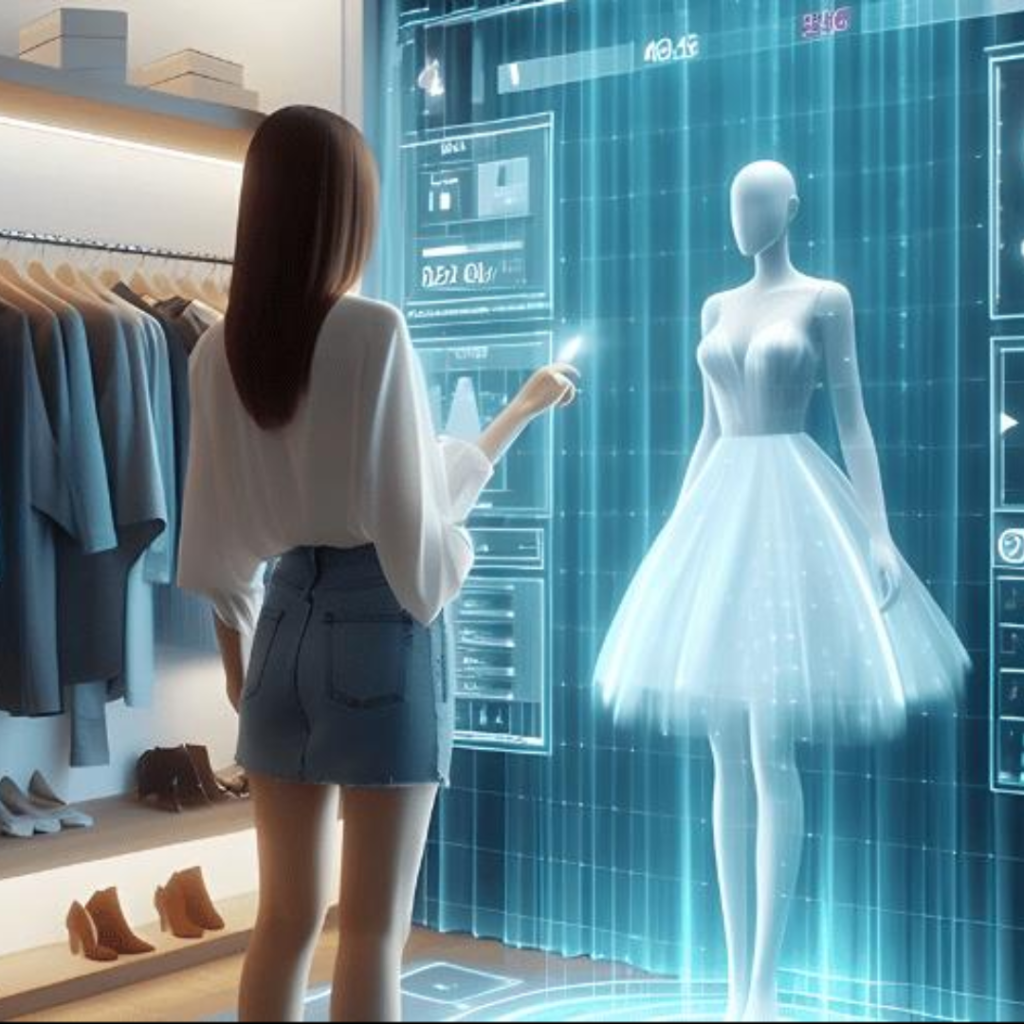
Virtual Try-On Technology Improves Online Shopping
One of the biggest challenges in online fashion shopping has always been uncertainty about sizing and appearance. Virtual try-on technology is helping solve this problem.
Using augmented reality and AI, customers can now:
- Try clothing digitally
- Preview outfits online
- Test accessories virtually
- See how products fit different body types
Virtual fitting tools improve customer confidence and reduce return rates for ecommerce stores.
This technology is becoming increasingly common across fashion websites and mobile applications.
Social Media Continues Driving Digital Fashion
Social media platforms play a major role in the growth of digital fashion culture. Fashion trends now spread faster through online videos, influencer content, and virtual communities.
Popular platforms influencing digital fashion include:
- TikTok
- YouTube
Consumers regularly discover:
- Outfit inspiration
- Styling tutorials
- Virtual fashion trends
- Digital fashion creators
Social media has transformed fashion into an interactive and constantly evolving online experience.
Digital creators now influence fashion trends almost as strongly as traditional designers and celebrities.
Fashion in Virtual Worlds and Gaming
Gaming and virtual worlds are becoming important spaces for fashion expression. Digital avatars and online identities now allow people to experiment with clothing styles in virtual environments.
Popular digital fashion spaces include:
- Virtual reality platforms
- Online games
- Metaverse environments
- Digital communities
Fashion brands are increasingly collaborating with gaming platforms to create:
- Virtual sneakers
- Digital accessories
- Online fashion collections
- Avatar customization items
This trend shows how fashion is expanding beyond physical clothing into digital identity and online self-expression.
Sustainable Fashion Benefits from Digital Innovation
Sustainability remains one of the biggest priorities in modern fashion. Digital technology is helping fashion brands reduce waste and improve environmental responsibility.
Digital fashion supports sustainability through:
- Reduced physical samples
- Virtual fashion shows
- AI production planning
- Smarter inventory management
- Digital clothing alternatives
Fashion companies can now test designs digitally before producing physical products, reducing unnecessary waste.
Consumers are also becoming more interested in timeless and versatile digital shopping experiences instead of excessive fast fashion consumption.
Smart Shopping Experiences Are Increasing
Modern consumers expect faster and more personalized shopping experiences. Fashion ecommerce platforms are increasingly using AI and data analysis to improve customer interaction.
Smart shopping technology includes:
- Personalized recommendations
- AI chat support
- Virtual stylists
- Visual search tools
- Smart filters
These technologies help customers discover clothing that matches their preferences, body types, and personal style.
Fashion shopping is becoming more efficient and interactive than ever before.
Digital Fashion Shows Are Changing Runways
Traditional runway events are evolving through digital experiences. Virtual fashion shows allow brands to reach global audiences online without location limitations.
Digital fashion presentations often include:
- Virtual environments
- Interactive experiences
- Online streaming
- 3D fashion visuals
- Digital storytelling
Fashion brands can now connect with international audiences instantly through online platforms.
Digital runways also reduce travel and production costs compared to traditional fashion events.
Personalization Is the Future of Fashion
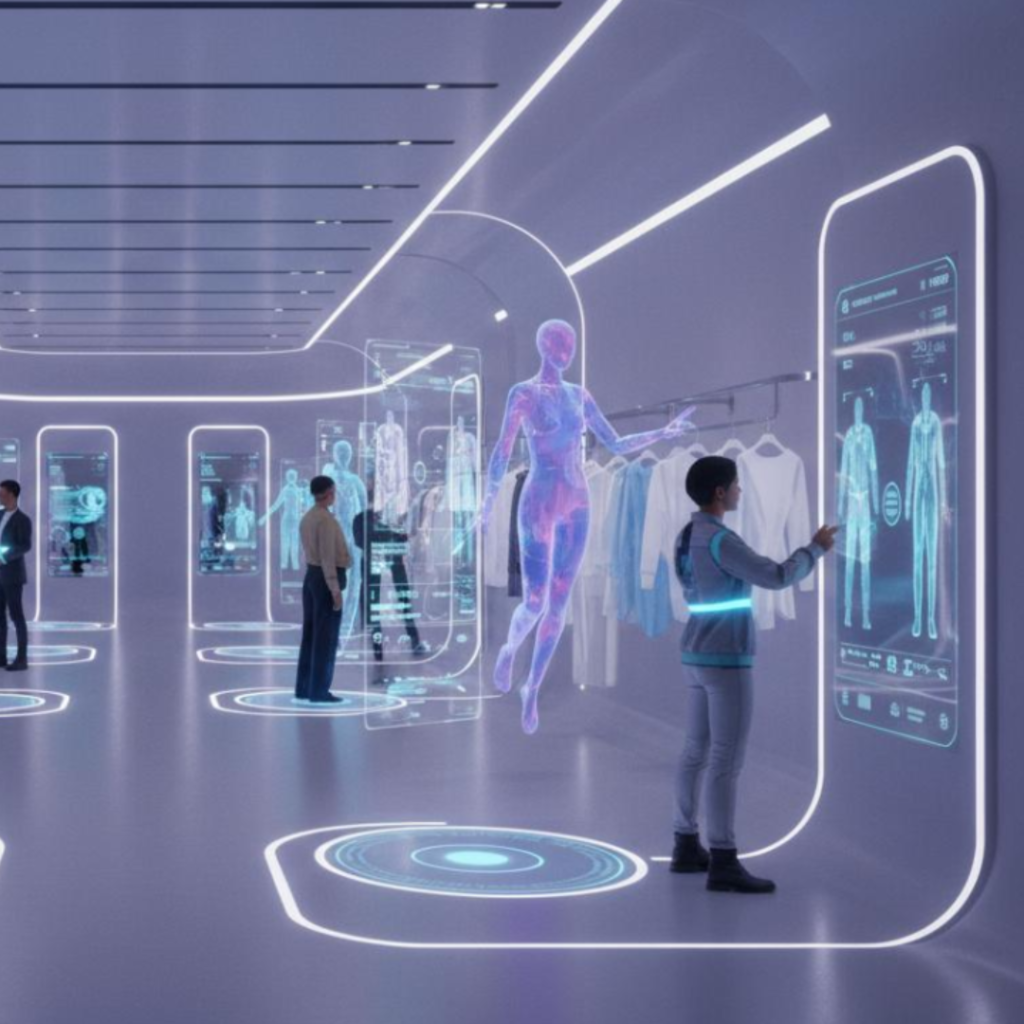
Modern consumers increasingly want personalized fashion experiences rather than generic trends.
Digital technology allows brands to:
- Recommend individual styles
- Customize products
- Predict fashion preferences
- Improve customer experiences
AI and digital tools help consumers discover clothing that matches their lifestyle, comfort, and personal identity.
Fashion is gradually becoming more individualized and less focused on mass trends alone.
Challenges Facing Digital Fashion
Although digital fashion continues growing, some challenges still remain.
Important challenges include:
- Technology accessibility
- Privacy concerns
- Digital ownership questions
- High development costs
- Sustainability of digital systems
Some consumers also still prefer physical shopping experiences and traditional fashion interaction.
Balancing digital innovation with real-world practicality remains important for the future of the industry.
The Role of Influencers in Digital Fashion
Fashion influencers continue shaping digital style trends online. Social media creators often introduce:
- Styling ideas
- Virtual fashion products
- Digital shopping recommendations
- Trend forecasting
Influencer marketing has become one of the strongest drivers of modern fashion ecommerce.
Consumers increasingly trust online creators for fashion inspiration and product discovery.
The Future of Fashion Ecommerce
Fashion ecommerce continues evolving rapidly through technology and consumer behavior changes.
Future ecommerce trends may include:
- Fully personalized shopping
- AI-generated outfit suggestions
- Virtual fashion stores
- Interactive digital styling
- Advanced virtual fitting systems
Online shopping experiences are becoming more immersive and customer-focused.
Convenience and personalization will likely remain central to future fashion ecommerce growth.
Digital Fashion and Creativity
Technology is also expanding creative opportunities within fashion design. Designers can now experiment with:
- Digital fabrics
- Virtual textures
- Animated clothing
- Interactive fashion experiences
Digital tools allow creators to explore ideas without traditional production limitations.
Fashion creativity is becoming more innovative and accessible through technology.
The Human Side of Fashion Remains Important
Despite technological advancements, personal style and creativity will always remain central to fashion.
People continue using fashion to:
- Express personality
- Build confidence
- Reflect culture
- Communicate individuality
Technology may change how fashion is experienced, but self-expression remains the foundation of style.
The future of digital fashion will likely combine technological innovation with authentic human creativity.
Final Thoughts
The future of digital fashion is transforming how people design, experience, and interact with clothing. Virtual fashion, AI technology, online styling tools, smart shopping systems, and digital creativity are reshaping the modern fashion industry worldwide.
As technology continues evolving, fashion is becoming more personalized, sustainable, interactive, and accessible. Social media, gaming platforms, virtual worlds, and AI-driven experiences are creating entirely new opportunities for both consumers and fashion brands.
At the same time, comfort, individuality, creativity, and self-expression remain at the heart of fashion culture. Technology may influence how fashion works, but personal style and human creativity will always define its true identity.
Digital fashion is no longer just the future — it is already becoming an important part of modern everyday life.
More Blogs you may read
Why Online Reviews Matter in Fashion: How Customer Feedback Shapes Smarter Shopping Decisions 2026
Why Online Reviews Matter in Fashion Online shopping has transformed...
Read More
Hair Care and Sleep Habits: How Better Sleep Supports Stronger, Healthier, and Shinier Hair 2026
Hair Care and Sleep Habits Beautiful, healthy hair is often...
Read MoreThe Science Behind Wrinkle-Resistant Clothing: How Modern Fabric Technology Keeps Clothes Looking Fresh 2026
The Science Behind Wrinkle-Resistant Clothing Modern clothing is expected to...
Read More