
Fashion Business Ideas with High Growth Potential in 2026
The fashion industry is entering a remarkable phase of transformation. Consumer preferences are evolving, technology is reshaping shopping experiences, and sustainability is becoming a major influence on purchasing decisions. As a result, entrepreneurs are discovering exciting opportunities to launch innovative fashion businesses that align with modern market demands. What worked in the fashion industry ten years ago is very different from what is driving growth today. In 2026, success is increasingly tied to adaptability, digital innovation, customer engagement, and value-driven business models.
Fashion is no longer limited to traditional retail stores and clothing manufacturing. It has expanded into a diverse ecosystem that includes e-commerce, sustainable fashion, personalized styling, digital fashion, fashion technology, and niche brand development. Consumers are looking for unique products, meaningful experiences, and brands that reflect their values. This shift has opened the door for new entrepreneurs to enter the market without the massive budgets that were once required to compete.
The future of fashion industry growth is being shaped by creativity and innovation rather than sheer size. Small startups are successfully competing with established brands by identifying emerging trends and responding quickly to consumer needs. As investors and business owners search for profitable opportunities, several fashion business ideas are standing out as high-growth sectors with significant long-term potential.
Understanding these opportunities can help aspiring entrepreneurs build successful ventures while positioning themselves within one of the world’s most dynamic industries.
Why the Fashion Industry Is Creating New Opportunities
The fashion industry continues to evolve because consumer behavior is changing rapidly. Modern shoppers are more informed than ever before. They research products, compare brands, read reviews, and evaluate company values before making purchasing decisions. This shift has encouraged businesses to focus on authenticity, transparency, and customer experience.
Digital technology has also lowered barriers to entry. Entrepreneurs can launch online fashion businesses, reach global audiences through social media, and manage operations using affordable digital tools. This accessibility has made fashion entrepreneurship more attractive to individuals seeking flexible and scalable business models.
Another important factor is the growing demand for specialized products. Consumers increasingly prefer brands that cater to specific lifestyles, interests, and personal values. This trend creates opportunities for niche fashion businesses that offer unique solutions rather than attempting to serve everyone.
The combination of technology, changing consumer expectations, and market accessibility is creating a favorable environment for innovative fashion startups in 2026.
Sustainable Fashion Businesses Continue Expanding
One of the most promising fashion business ideas with high growth potential is sustainable fashion. Environmental awareness has become a major factor influencing consumer behavior, and many shoppers actively seek products that align with responsible practices.
Sustainable fashion businesses focus on eco-friendly materials, ethical manufacturing processes, recycled fabrics, and reduced environmental impact. Consumers appreciate brands that prioritize transparency and responsible production methods, creating strong opportunities for long-term growth.
The demand for organic clothing, biodegradable textiles, and circular fashion solutions continues increasing worldwide. Many investors view sustainable fashion as a strong growth sector because it addresses both consumer demand and future regulatory trends.
Entrepreneurs entering this market often benefit from strong customer loyalty because consumers tend to support brands that reflect their environmental values. While sustainability requires careful planning, it remains one of the most attractive opportunities within the modern fashion industry
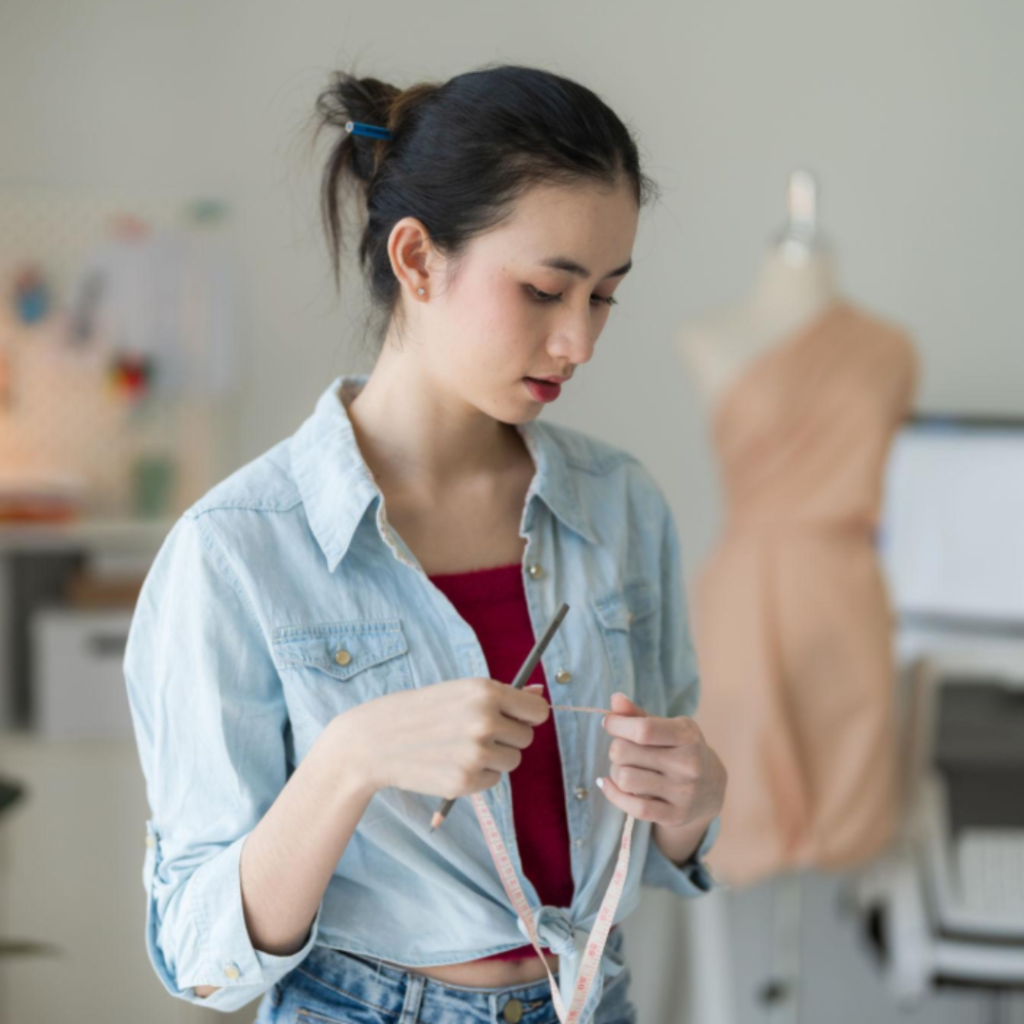
Technology Is Transforming Premium Baby Clothing
Technology is playing an increasingly important role in shaping the luxury baby clothing market. Advanced textile innovations are helping brands develop fabrics that offer improved softness, breathability, moisture management, and temperature regulation.
Smart fabrics capable of adapting to environmental conditions may become more common in future luxury collections. These materials could help babies remain comfortable across varying temperatures while enhancing overall wearability.
Digital technology is also improving the shopping experience. Virtual consultations, personalized recommendations, and advanced sizing tools are making luxury baby fashion more accessible to consumers worldwide.
Artificial intelligence may further influence the industry by helping brands understand consumer preferences and create highly targeted product offerings. These innovations are expected to elevate both product quality and customer satisfaction.
The integration of technology reflects the industry’s commitment to continuous improvement and innovation.
Minimalist Luxury Is Becoming More Popular
The future of luxury baby clothing is moving away from excessive decoration and toward refined simplicity. Modern parents increasingly prefer minimalist baby fashion that emphasizes elegance, versatility, and practicality.
Neutral color palettes, clean silhouettes, and timeless designs are becoming hallmarks of luxury baby fashion. Rather than focusing on flashy details, many premium brands are highlighting fabric quality, craftsmanship, and thoughtful design.
This minimalist approach appeals to parents who value understated sophistication. It also supports sustainable shopping habits because timeless clothing tends to remain stylish for longer periods.
The growing popularity of minimalist luxury reflects broader lifestyle trends that prioritize quality and intentionality over excess. This direction is expected to remain influential throughout the coming years.
The Influence of Social Media on Luxury Baby Fashion
Social media continues to play a major role in shaping consumer perceptions of luxury baby clothing. Platforms such as Instagram, Pinterest, and TikTok provide brands with opportunities to showcase collections while connecting directly with modern parents.
Influencers and parenting content creators frequently introduce new luxury baby fashion trends, helping brands reach wider audiences. These platforms also allow consumers to discover emerging designers and boutique labels that may not receive traditional media exposure.
However, social media is also encouraging greater transparency. Parents increasingly expect brands to provide detailed information about materials, sourcing practices, and sustainability initiatives.
This demand for authenticity is pushing luxury baby fashion companies to focus on genuine value rather than purely image-driven marketing.

Fashion Technology Is Reshaping the Industry
Fashion technology represents one of the most innovative areas within the modern fashion market. Businesses that combine fashion with technological solutions are attracting significant attention because they address real industry challenges while creating new opportunities.
Artificial intelligence, virtual fitting rooms, inventory management software, fashion analytics, and smart textiles are transforming how fashion companies operate. Entrepreneurs developing technology-driven solutions can serve both consumers and fashion businesses.
The demand for improved customer experiences is encouraging investment in fashion technology. Virtual shopping tools help reduce return rates, while AI-powered recommendations improve personalization and customer satisfaction.
Fashion technology startups often appeal to investors because they offer scalability and long-term growth potential. As digital transformation continues accelerating, technology-focused fashion businesses are expected to play an increasingly important role within the industry.
Influencer-Led Fashion Brands Are Emerging Rapidly
Social media has created a new generation of fashion entrepreneurs. Influencers, content creators, and digital personalities are launching their own fashion brands by leveraging established audiences and personal credibility.
Consumers often trust recommendations from influencers they follow regularly, creating strong opportunities for influencer-led businesses. These brands benefit from built-in marketing channels and direct access to engaged communities.
Many successful influencer fashion brands focus on specific niches such as fitness apparel, streetwear, sustainable fashion, or luxury accessories. This targeted approach helps differentiate them from larger competitors.
While influencer businesses require authenticity and consistent engagement, they represent one of the most accessible fashion entrepreneurship opportunities in the digital age.
The growth of creator-driven commerce suggests that this trend will remain influential throughout the coming years.
Fashion Rental and Resale Markets Are Expanding
Changing consumer attitudes toward ownership are creating opportunities within the fashion rental and resale sectors. Many shoppers are becoming more interested in access rather than ownership, especially for luxury and occasion-based fashion.
Fashion rental businesses allow consumers to enjoy premium products without making large purchases. This model appeals to budget-conscious shoppers and environmentally aware consumers alike.
Similarly, fashion resale platforms are benefiting from growing interest in second-hand clothing and circular fashion. Consumers appreciate the opportunity to buy and sell quality items while reducing waste.
These business models align closely with sustainability trends and evolving consumer behavior. As a result, investors and entrepreneurs are increasingly exploring opportunities within these rapidly growing markets.
Niche Fashion Brands Are Winning Consumer Attention
One of the most effective strategies for modern fashion entrepreneurs is focusing on niche markets. Rather than competing directly with large global brands, niche businesses target specific audiences with specialized products.
Examples include adaptive fashion, maternity fashion, eco-friendly activewear, modest fashion, pet fashion, and culturally inspired clothing collections. These brands often build strong communities because they address unique customer needs.
Consumers appreciate brands that understand their lifestyles and preferences. This connection creates loyalty and helps businesses establish meaningful market positions.
Niche fashion brands frequently benefit from lower competition and more focused marketing opportunities, making them attractive options for entrepreneurs seeking sustainable growth.
The Future Outlook for Fashion Entrepreneurs
The future of fashion business opportunities looks exceptionally promising. Consumer demand continues evolving, technology is creating new possibilities, and market accessibility has never been greater. Entrepreneurs who identify emerging trends and adapt quickly can build successful businesses within multiple fashion sectors.
Sustainable fashion, online retail, personalization, luxury niches, fashion technology, influencer-driven brands, rental services, and specialized markets all offer strong growth potential. The most successful businesses will likely combine innovation with authenticity while maintaining a clear understanding of customer needs.
Although challenges such as competition and economic fluctuations remain, the fashion industry continues providing opportunities for creative entrepreneurs willing to embrace change and think strategically.
Conclusion
Fashion business ideas with high growth potential in 2026 reflect the ongoing transformation of the global fashion industry. Consumers are demanding more than just products; they want experiences, values, convenience, and personalization. This shift is creating opportunities for innovative entrepreneurs to launch businesses that align with modern expectations.
From sustainable fashion startups and online brands to luxury niches and fashion technology solutions, the future of fashion entrepreneurship is filled with possibilities. Success will depend on understanding market trends, embracing innovation, and building authentic relationships with customers.
As the fashion industry continues evolving, entrepreneurs who focus on creativity, adaptability, and customer value will be best positioned to thrive. The coming years promise exciting opportunities for those ready to participate in one of the world’s most dynamic and rapidly changing industries.
You May Also Read
Why Online Reviews Matter in Fashion: How Customer Feedback Shapes Smarter Shopping Decisions 2026
Why Online Reviews Matter in Fashion Online shopping has transformed...
Read More
Hair Care and Sleep Habits: How Better Sleep Supports Stronger, Healthier, and Shinier Hair 2026
Hair Care and Sleep Habits Beautiful, healthy hair is often...
Read MoreThe Science Behind Wrinkle-Resistant Clothing: How Modern Fabric Technology Keeps Clothes Looking Fresh 2026
The Science Behind Wrinkle-Resistant Clothing Modern clothing is expected to...
Read More