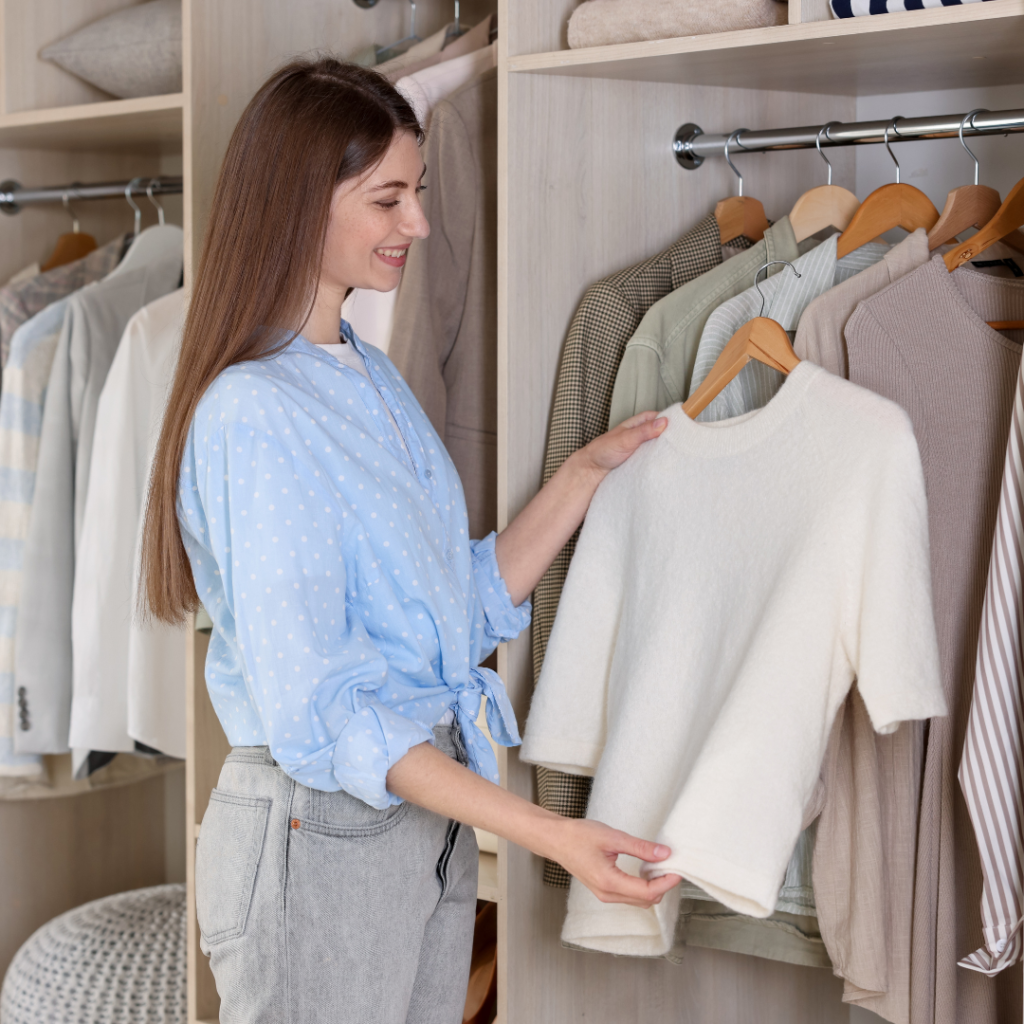
Fashion and Personality Development
Fashion is much more than clothing and changing trends. The way people dress often reflects personality, confidence, lifestyle, and self-expression. Personal style can influence how individuals feel about themselves and how they interact with others in social, professional, and everyday situations. In modern society, fashion has become closely connected to personality development because appearance often shapes first impressions and communication.
Today’s fashion culture is no longer focused only on expensive brands or luxury outfits. Modern style emphasizes individuality, comfort, confidence, and authenticity. People increasingly use fashion as a way to express creativity, values, and emotions while building stronger self-confidence and personal identity.
Personality development involves improving communication, confidence, self-awareness, grooming habits, and emotional presence. Fashion supports this process by helping individuals feel more organized, comfortable, and positive in daily life.
This guide explores the relationship between fashion and personality development while discussing confidence, grooming, self-expression, communication, and modern lifestyle habits that contribute to personal growth.
How Fashion Influences Personality
Clothing strongly affects how people see themselves and how others perceive them. Fashion can influence mood, body language, communication, and confidence.
The way someone dresses may:
- Reflect personality traits
- Improve self-confidence
- Create positive first impressions
- Support social interaction
- Express creativity and identity
Fashion does not define personality completely, but it often acts as a visual form of communication.
Modern fashion encourages individuality rather than forcing people to follow strict style rules.
First Impressions Matter
First impressions are often formed within seconds during social or professional interactions. Clothing and grooming strongly contribute to these impressions.
A clean and balanced appearance may communicate:
- Confidence
- Organization
- Professionalism
- Creativity
- Self-respect
Fashion does not require expensive clothing to create positive impressions. Simple, clean, and well-fitted outfits often appear more polished than overly complicated styling.
Modern style trends increasingly focus on comfort, simplicity, and authenticity.
Confidence Is Closely Connected to Fashion
Confidence is one of the most important parts of personality development. People often feel more confident when they wear clothing that feels comfortable and reflects their identity.
Fashion confidence may improve:
- Social interaction
- Communication skills
- Body posture
- Self-esteem
- Public presence
When individuals feel comfortable in their appearance, they often express themselves more naturally and positively.
Fashion should support confidence rather than create pressure to appear perfect.
Personal Style Reflects Individual Identity
Every person has a unique personality, and fashion allows individuals to express that identity visually.
Some people prefer:
- Minimalist fashion
- Streetwear
- Traditional clothing
- Formal elegance
- Casual relaxed outfits
Personal style often develops gradually through experience, comfort, and self-discovery.
Modern fashion culture celebrates individuality more than strict trend-following.
Building a personal style helps people feel more authentic and comfortable in everyday life.
Grooming Is an Important Part of Personality Development
Fashion is not only about clothing. Grooming habits strongly influence overall appearance and personality presentation.
Good grooming includes:
- Clean clothing
- Hair care
- Skincare routines
- Proper hygiene
- Organized appearance
Simple grooming habits help create polished and confident impressions.
Modern fashion and lifestyle trends strongly combine grooming with personal development and self-care.

Fashion Improves Communication Without Words
Fashion acts as a nonverbal communication tool. Clothing choices often express emotions, lifestyle preferences, creativity, and social confidence.
Different styles may communicate:
- Professionalism
- Creativity
- Simplicity
- Confidence
- Cultural identity
Fashion allows individuals to communicate aspects of personality before conversations even begin.
This is why personal style often plays an important role in interviews, meetings, events, and social gatherings.
Minimal Fashion Trends Support Simplicity
Minimalist fashion has become increasingly popular because it creates clean, balanced, and practical outfit combinations.
Minimal fashion often includes:
- Neutral colors
- Simple silhouettes
- Comfortable fabrics
- Timeless wardrobe basics
Minimal styling helps reduce stress related to outfit selection while supporting organized and polished appearances.
Modern personality development trends often encourage simplicity and self-awareness rather than excessive appearance-focused behavior.
Fashion Encourages Self-Care Habits
People who pay attention to personal style often become more conscious about overall self-care and daily routines.
Fashion may encourage:
- Better grooming habits
- Healthier routines
- Improved posture
- Positive body language
- Organized lifestyle habits
These habits often contribute to stronger emotional well-being and personal confidence.
Fashion becomes more meaningful when connected to healthy lifestyle practices rather than external approval alone.
Body Language and Fashion Work Together
Clothing can affect posture and body language significantly. Comfortable and well-fitted outfits often improve movement and confidence naturally.
Confident body language may include:
- Better posture
- Eye contact
- Relaxed movement
- Positive facial expressions
Fashion should support natural comfort instead of restricting movement or causing insecurity.
Modern style trends increasingly prioritize wearable and practical clothing that supports confidence in everyday life.
Fashion and Professional Personality Development
Professional environments often require balanced and polished appearances. Fashion can influence workplace confidence and communication.
Professional style usually focuses on:
- Clean silhouettes
- Neutral colors
- Organized grooming
- Comfortable tailoring
Modern workwear trends are becoming more relaxed and comfortable while maintaining professionalism.
Personal style in professional settings should reflect confidence and authenticity rather than overly formal appearance alone.
Social Media Influences Modern Fashion Identity
Social media strongly affects fashion trends and personality expression today. People regularly discover style inspiration through:
- Fashion influencers
- Lifestyle creators
- Street-style photography
- Fashion blogs
While social media can inspire creativity, it is important to avoid comparing personal identity to unrealistic online images.
Authenticity remains more valuable than copying every trend online.
Modern audiences increasingly appreciate natural and relatable fashion content.
Fashion Helps Build Self-Expression
Self-expression is an important part of personality development. Fashion allows people to communicate emotions, culture, interests, and creativity visually.
People often express themselves through:
- Color choices
- Clothing styles
- Accessories
- Hairstyles
- Cultural fashion
Personal style becomes stronger when it reflects genuine comfort and individuality rather than external pressure.
Fashion should feel enjoyable and empowering instead of stressful.
The Role of Comfort in Personality Confidence
Comfort strongly affects confidence and emotional well-being. Uncomfortable clothing may negatively influence mood, posture, and social interaction.
Modern fashion trends now prioritize:
- Relaxed silhouettes
- Breathable fabrics
- Practical styling
- Everyday wearability
People increasingly choose clothing that supports natural movement and emotional comfort.
Confidence often appears strongest when individuals feel physically comfortable.

Sustainable Fashion Supports Conscious Lifestyle Development
Sustainable fashion is becoming increasingly connected to personal values and lifestyle choices.
Many people now prefer:
- Quality clothing
- Timeless basics
- Ethical fashion
- Minimal wardrobes
Conscious fashion habits often reflect organized and mindful personality development.
Fashion today increasingly values practicality and responsibility over excessive consumption.
Developing a Positive Personal Image
A positive personal image comes from balance, self-awareness, and confidence rather than perfection.
Helpful habits for personality development include:
- Wearing clean and comfortable clothing
- Following consistent grooming routines
- Building communication skills
- Practicing self-confidence
- Developing emotional awareness
Fashion supports personal image when it reflects authenticity and self-respect.
Common Fashion Mistakes That Affect Confidence
Following Every Trend
Not every trend suits every personality or lifestyle.
Wearing Uncomfortable Clothing
Discomfort often affects confidence and body language.
Ignoring Grooming
Good grooming strongly influences overall appearance.
Overcomplicating Style
Simple outfits often appear more polished and elegant.
Tips for Building Confidence Through Fashion
Choose Clothing That Feels Comfortable
Comfort naturally improves confidence and posture.
Focus on Personal Style
Wear outfits that reflect individuality instead of only trends.
Maintain Grooming Habits
Simple grooming creates cleaner and more organized appearances.
Use Neutral Wardrobe Basics
Timeless basics simplify outfit planning.
Prioritize Authenticity
Fashion should support self-expression rather than comparison.
The Future of Fashion and Personality Development
Modern fashion culture is moving toward:
- Self-expression
- Minimalism
- Sustainable lifestyles
- Inclusive fashion
- Comfort-focused styling
People increasingly value confidence, individuality, and authenticity more than unrealistic perfection.
Fashion is becoming a tool for emotional well-being and personal growth rather than only appearance.
Final Thoughts
Fashion and personality development are closely connected because both influence confidence, communication, self-expression, and lifestyle habits. Clothing, grooming, and personal style help people feel more comfortable, organized, and positive in daily life.
Modern fashion trends in 2026 strongly emphasize simplicity, comfort, individuality, and authentic self-expression. Fashion today is less about impressing others and more about building personal confidence and emotional comfort.
True style comes from feeling comfortable with personal identity rather than constantly following trends or unrealistic standards.
By combining healthy grooming habits, balanced fashion choices, and self-confidence, individuals can develop a stronger personality while creating a polished and authentic personal image.
More Blogs you may read
Why Online Reviews Matter in Fashion: How Customer Feedback Shapes Smarter Shopping Decisions 2026
Why Online Reviews Matter in Fashion Online shopping has transformed...
Read More
Hair Care and Sleep Habits: How Better Sleep Supports Stronger, Healthier, and Shinier Hair 2026
Hair Care and Sleep Habits Beautiful, healthy hair is often...
Read MoreThe Science Behind Wrinkle-Resistant Clothing: How Modern Fabric Technology Keeps Clothes Looking Fresh 2026
The Science Behind Wrinkle-Resistant Clothing Modern clothing is expected to...
Read More