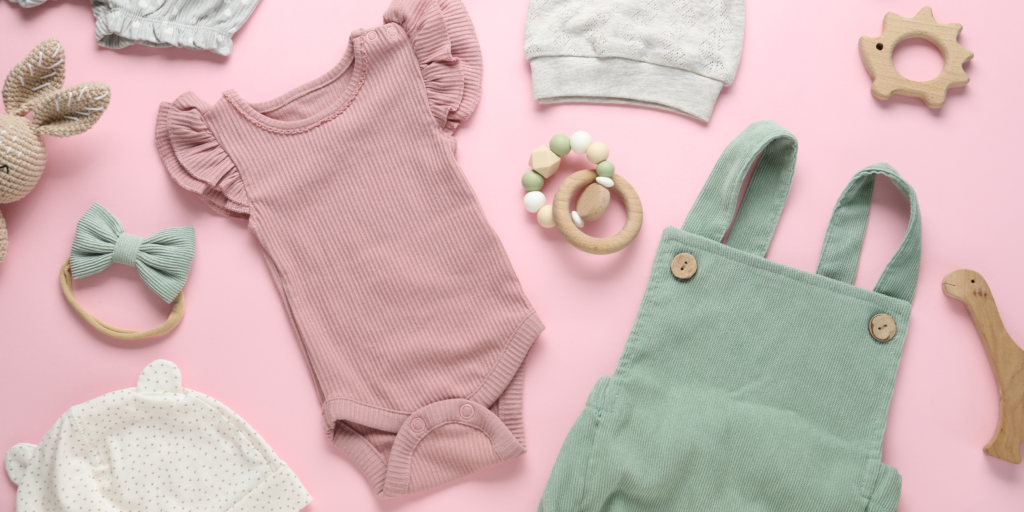
Future Baby Fashion: Trends, Technology, and Sustainability
The baby fashion industry is entering an exciting new chapter. What was once a market focused mainly on colors, patterns, and seasonal styles is now evolving into a space driven by innovation, sustainability, and advanced technology. Parents today are making more thoughtful purchasing decisions, seeking baby clothing that combines comfort, safety, durability, and environmental responsibility. As these expectations continue to grow, the future baby fashion landscape is being shaped by powerful changes that extend far beyond appearance.
Modern families are no longer satisfied with baby clothes that simply look attractive. They want baby fashion that supports healthy development, minimizes environmental impact, and offers lasting value. This shift in consumer behavior is encouraging designers, manufacturers, and retailers to rethink how baby fashion collections are created. The result is a new generation of baby clothing trends that embrace smart technology, sustainable production, and innovative design while maintaining the softness and comfort babies need.
The future of baby fashion is not defined by a single trend. Instead, it is being shaped by the combination of creativity, scientific advancement, environmental awareness, and changing consumer priorities. Together, these factors are creating a more responsible and forward-thinking industry.
The Evolution of Baby Fashion in a Changing World
Baby fashion has experienced remarkable growth over the past decade. As parents gain access to more information, their expectations regarding baby clothing continue to rise. They are paying closer attention to materials, production practices, comfort features, and long-term value.
This transformation reflects a broader cultural shift toward conscious consumption. Instead of purchasing clothing solely based on appearance, many families now consider factors such as sustainability, fabric quality, and ethical manufacturing. These changing priorities are encouraging the baby fashion industry to move beyond traditional approaches.
Future baby fashion will likely place greater emphasis on versatility and functionality. Clothing will continue evolving to meet the needs of modern families who seek convenience without sacrificing quality. This positive direction is helping create a more balanced relationship between fashion, practicality, and environmental responsibility.
At the same time, technological advancements are creating opportunities that were previously unimaginable. The integration of innovation into baby clothing design is opening the door to entirely new possibilities.
How Technology Is Transforming Baby Clothing
Technology is becoming one of the most influential forces shaping future baby fashion. While fashion and technology once appeared unrelated, they are now working together to improve comfort, performance, and functionality.
Researchers and manufacturers are developing advanced textiles designed to respond more effectively to a baby’s needs. Smart baby clothing may eventually include fabrics capable of monitoring temperature, managing moisture, and adapting to environmental conditions. These innovations have the potential to enhance comfort while providing valuable information to parents.
Fabric engineering is also contributing to improved durability. Modern baby clothing technology focuses on creating materials that remain soft while withstanding frequent washing and daily wear. This balance between comfort and longevity is particularly important because babies outgrow clothing quickly.
Innovative production methods are further transforming the baby fashion industry. Digital design tools, precision manufacturing, and data-driven product development allow brands to create baby fashion collections that better align with consumer preferences. These advancements contribute to greater efficiency while reducing waste and unnecessary resource consumption.
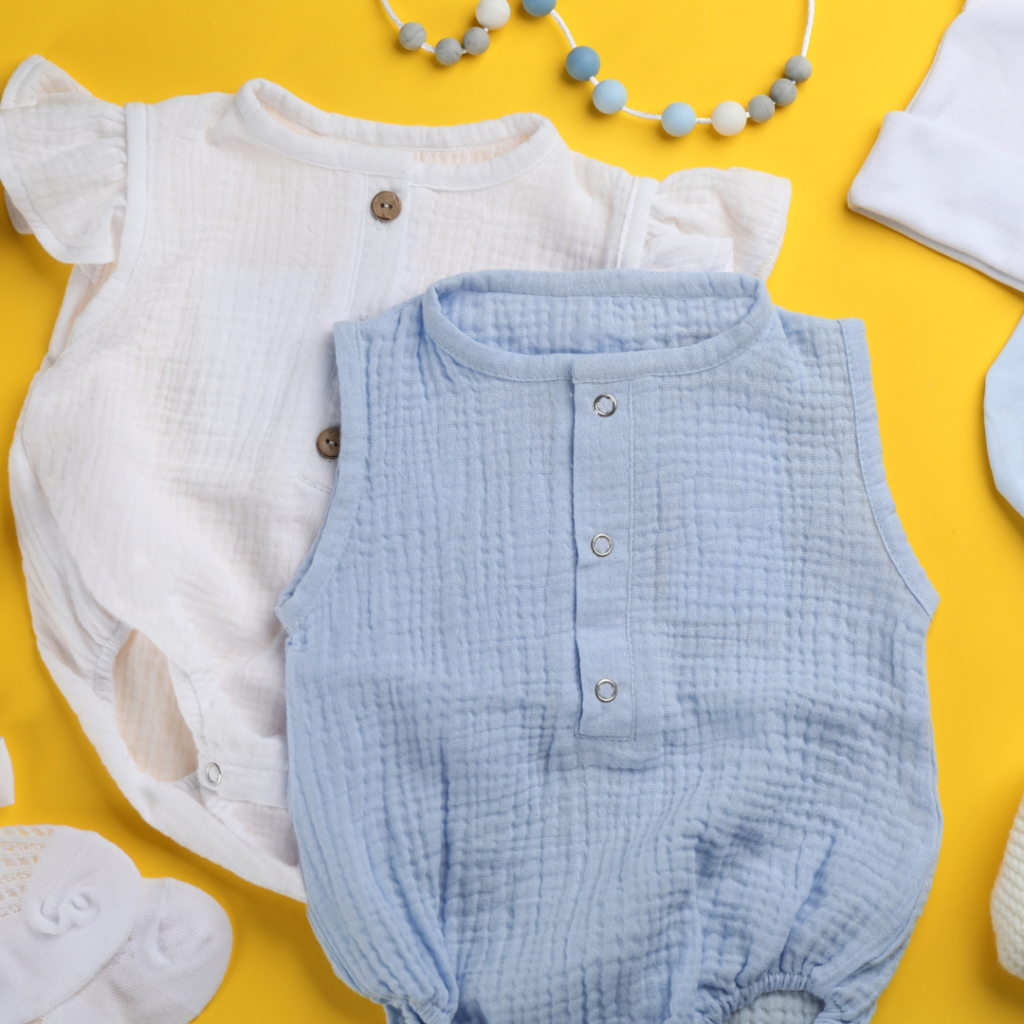
Sustainable Baby Fashion Is Becoming the New Standard
Among all emerging trends, sustainability is perhaps the most significant force influencing future baby fashion. Environmental concerns have encouraged consumers to reconsider how clothing is produced, purchased, and discarded.
Sustainable baby fashion focuses on minimizing environmental impact while maximizing product quality and durability. Brands are increasingly adopting eco-friendly materials, responsible sourcing practices, and cleaner manufacturing methods. These efforts support a healthier future for both children and the planet.
Organic baby clothes have become particularly popular within sustainable baby fashion collections. Organic cotton, bamboo fibers, recycled materials, and biodegradable fabrics are helping reduce reliance on resource-intensive production systems. Parents appreciate these options because they often provide enhanced softness and transparency regarding manufacturing practices.
The movement toward sustainable baby clothing represents a constructive change within the industry. Rather than promoting excessive consumption, many brands now emphasize thoughtful purchasing decisions and long-term value. This shift is encouraging consumers to build more practical and environmentally conscious baby wardrobes.
The Rise of Smart Baby Clothing
Smart baby clothing is emerging as one of the most intriguing developments in modern baby fashion. Although still in its early stages, this technology-driven category has the potential to redefine how parents interact with baby apparel.
Future smart baby clothing may incorporate sensors capable of tracking temperature, movement, moisture levels, and other comfort-related indicators. These innovations could provide real-time insights that help parents respond more effectively to their child’s needs.
While some consumers may initially approach these technologies with caution, ongoing research and development continue improving reliability and accessibility. As technology becomes more refined, smart baby clothing may become a valuable addition to future baby fashion collections.
The integration of intelligent features demonstrates how innovation is expanding the role of clothing beyond traditional functions. Rather than serving solely as protection and decoration, baby apparel may increasingly contribute to comfort management and overall well-being.
Personalization and Custom Baby Fashion
Another trend expected to shape the future of baby fashion is personalization. Parents are increasingly seeking clothing that reflects individuality, family values, and meaningful experiences.
Custom baby clothes allow families to create unique garments featuring names, initials, special dates, and personalized artwork. This growing interest in personalized baby fashion reflects a desire for authenticity and emotional connection.
Advancements in digital printing and on-demand manufacturing are making customization more accessible than ever. These technologies enable brands to produce personalized baby clothing efficiently while reducing excess inventory.
Personalization also aligns with sustainability goals. When consumers purchase meaningful items designed specifically for them, they are often more likely to value and preserve those garments rather than treat them as disposable products.
Comfort Will Continue to Drive Baby Fashion Trends
Despite rapid innovation, comfort remains one of the most important factors influencing baby fashion trends. Parents consistently prioritize clothing that supports natural movement and protects sensitive skin.
Future baby clothing will likely feature even softer materials, improved ergonomic designs, and enhanced flexibility. Fabric research continues producing textiles that offer superior breathability, moisture control, and temperature regulation.
Comfort-focused innovation contributes to a better overall experience for both babies and parents. Clothing that feels good, fits properly, and adapts to daily activities is more likely to become a trusted wardrobe essential.
As competition within the baby fashion industry increases, brands that successfully combine comfort with innovation will likely gain a significant advantage.
Ethical Manufacturing and Transparency
The future of baby fashion is also being influenced by growing demand for transparency. Consumers increasingly want to understand where their baby clothes come from and how they are produced.
Ethical manufacturing practices are becoming more important as families seek brands that align with their values. Fair labor conditions, responsible sourcing, and environmentally conscious production methods are gaining attention throughout the industry.
Transparency builds trust between brands and consumers. Companies that openly communicate their manufacturing processes often strengthen customer loyalty while enhancing their reputation.
This emphasis on accountability represents a positive development within the baby fashion industry. It encourages higher standards while supporting responsible business practices.
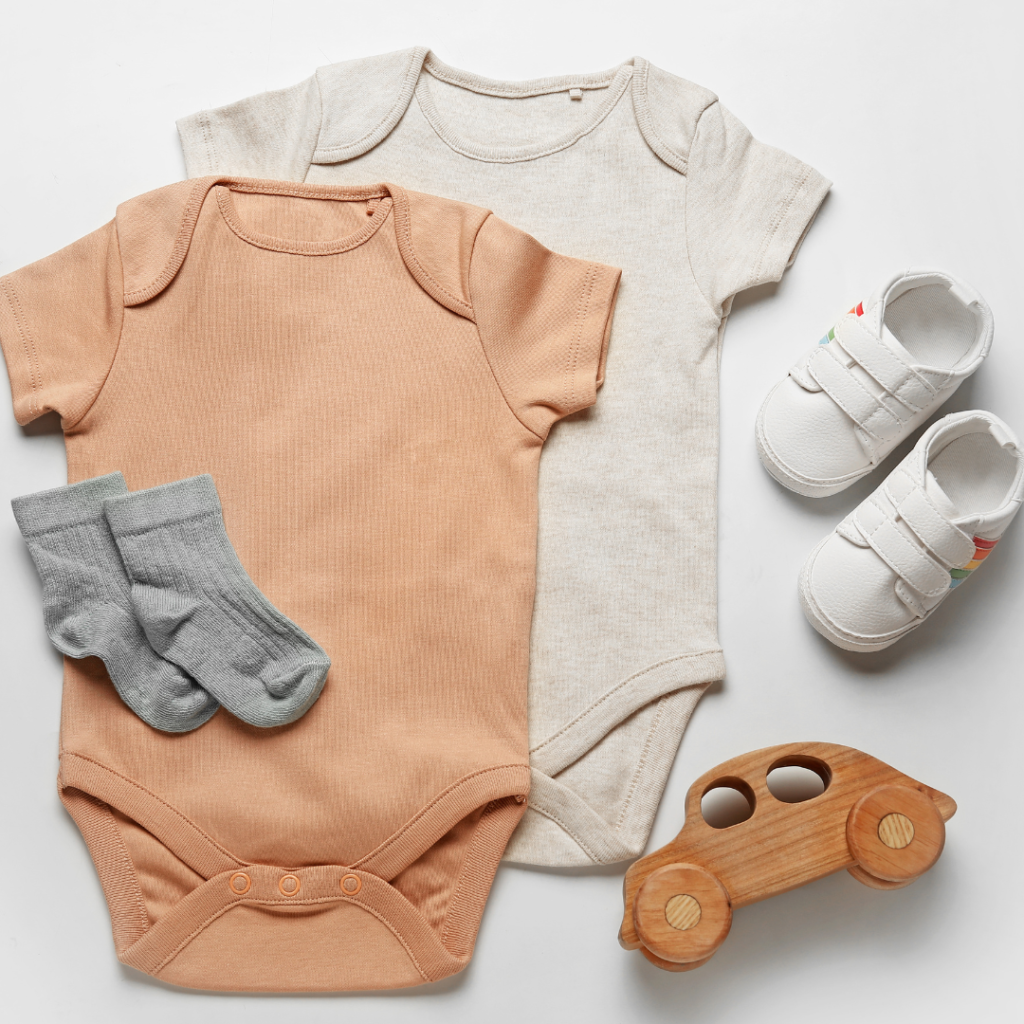
The Influence of Digital Shopping and Virtual Experiences
Technology is transforming not only how baby clothing is produced but also how it is purchased. Digital shopping experiences continue evolving, offering consumers greater convenience and personalization.
Artificial intelligence, virtual fitting tools, and personalized recommendations are helping parents make more informed purchasing decisions. These innovations reduce uncertainty while improving the overall shopping experience.
Future baby fashion retailers may offer highly customized online experiences tailored to individual preferences. Such developments could simplify wardrobe planning while reducing unnecessary purchases.
Digital innovation also provides opportunities for smaller baby fashion brands to reach global audiences, increasing diversity and competition within the marketplace.
Challenges Facing the Future of Baby Fashion
Although the future appears promising, certain challenges remain. Sustainable materials can sometimes involve higher production costs, making affordability an ongoing concern for many families. Additionally, integrating advanced technology into baby clothing requires careful attention to safety, reliability, and privacy considerations.
Balancing innovation with accessibility will remain an important objective for manufacturers. The industry must ensure that technological advancements and sustainable solutions remain available to a broad range of consumers rather than becoming limited to premium market segments.
Addressing these challenges will require collaboration among designers, researchers, manufacturers, and policymakers. Continued investment in innovation and education will play a crucial role in shaping future success.
The Future Outlook for Baby Fashion
The future baby fashion industry is moving toward a more intelligent, sustainable, and consumer-focused model. Technology, sustainability, personalization, and ethical production are no longer optional considerations; they are becoming central components of successful baby fashion strategies.
As these trends continue evolving, baby fashion collections will likely become more versatile, environmentally responsible, and technologically advanced. Parents will have access to clothing that not only looks appealing but also delivers meaningful benefits in terms of comfort, safety, and performance.
The integration of innovation into baby fashion is creating exciting possibilities while encouraging a more responsible approach to clothing production and consumption.
Conclusion
Future baby fashion is being shaped by a powerful combination of trends, technology, and sustainability. From smart baby clothing and advanced textiles to eco-friendly manufacturing and personalized designs, the industry is undergoing a remarkable transformation.
Modern parents are driving this change by demanding baby clothing that reflects their values and supports their children’s well-being. As a result, brands are investing in innovative baby fashion solutions that prioritize comfort, durability, safety, and environmental responsibility.
The continued growth of sustainable baby fashion, baby clothing technology, smart baby clothing, and ethical manufacturing demonstrates a promising future for the industry. While challenges remain, the direction is clear. The future of baby fashion will be defined not only by style but also by innovation, sustainability, and a deeper commitment to creating clothing that benefits both families and the world around them.
As these developments continue unfolding, baby fashion will become more thoughtful, more efficient, and more meaningful than ever before, creating a future where style and responsibility exist side by side.
You May Also Read
Why Online Reviews Matter in Fashion: How Customer Feedback Shapes Smarter Shopping Decisions 2026
Why Online Reviews Matter in Fashion Online shopping has transformed...
Read More
Hair Care and Sleep Habits: How Better Sleep Supports Stronger, Healthier, and Shinier Hair 2026
Hair Care and Sleep Habits Beautiful, healthy hair is often...
Read MoreThe Science Behind Wrinkle-Resistant Clothing: How Modern Fabric Technology Keeps Clothes Looking Fresh 2026
The Science Behind Wrinkle-Resistant Clothing Modern clothing is expected to...
Read More