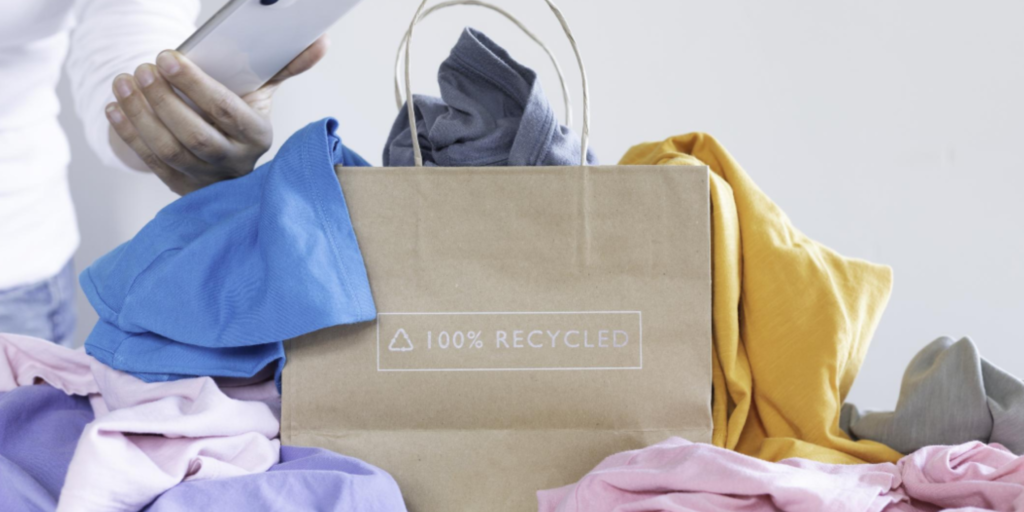
Why Circular Fashion Is the Next Big Industry Trend
The fashion industry is undergoing a major transformation, and one of the most influential developments shaping its future is the rise of circular fashion. For decades, the traditional fashion model followed a simple path: produce clothing, sell it, use it, and eventually discard it. While this system supported rapid growth and mass production, it also created significant environmental challenges, resource pressure, and increasing concerns about waste. Today, consumers, businesses, investors, and governments are recognizing the need for a more sustainable approach, leading to the rapid growth of the circular fashion industry.
Circular fashion represents a new way of thinking about clothing and product life cycles. Instead of encouraging disposal after use, circular fashion focuses on extending the lifespan of garments through recycling, repairing, reusing, reselling, and redesigning products. This model aims to reduce waste, preserve resources, and create long-term value while supporting economic growth.
The increasing popularity of sustainable fashion has accelerated interest in circular fashion across global markets. Consumers are becoming more conscious of how their purchasing decisions affect the environment, while brands are exploring innovative solutions that align with these changing expectations. As a result, circular fashion is no longer considered a niche concept. It is rapidly becoming one of the most important trends shaping the future of the fashion industry.
The shift toward circular fashion reflects a broader movement toward responsible consumption, sustainable business practices, and long-term environmental awareness. Understanding why circular fashion is gaining momentum provides valuable insight into the future direction of the global fashion market.
Understanding the Concept of Circular Fashion
Circular fashion is built on the principles of the circular economy. Unlike the traditional linear model of production and disposal, the circular approach aims to keep materials in use for as long as possible. Clothing is designed, produced, and managed with longevity in mind, reducing unnecessary waste and maximizing resource efficiency.
In a circular fashion system, garments can be repaired, reused, rented, resold, recycled, or transformed into new products. This approach reduces the demand for virgin materials while minimizing the amount of textile waste entering landfills.
The concept encourages both businesses and consumers to rethink how clothing is created and consumed. Instead of viewing fashion as disposable, circular fashion promotes the idea that garments have ongoing value throughout multiple life cycles.
As awareness grows, more fashion companies are incorporating circular principles into their operations. This transition is helping reshape industry standards while creating new opportunities for innovation and growth.
Why Consumers Are Supporting Circular Fashion
Consumer behavior is one of the biggest factors driving the growth of the circular fashion industry. Modern shoppers are increasingly informed about sustainability issues and often consider environmental impact when making purchasing decisions.
Many consumers are becoming concerned about excessive waste generated by fast fashion and short product lifespans. As a result, they are seeking alternatives that align with their personal values and support more responsible consumption habits.
The popularity of second-hand fashion, clothing rental services, and sustainable fashion brands demonstrates this shift in consumer preferences. Shoppers are discovering that circular fashion offers practical benefits while helping reduce environmental pressure.
Younger generations, in particular, are showing strong interest in sustainable fashion solutions. They often prioritize transparency, ethical production practices, and environmental responsibility when evaluating brands.
This growing demand is encouraging fashion businesses to invest in circular strategies that meet evolving consumer expectations.
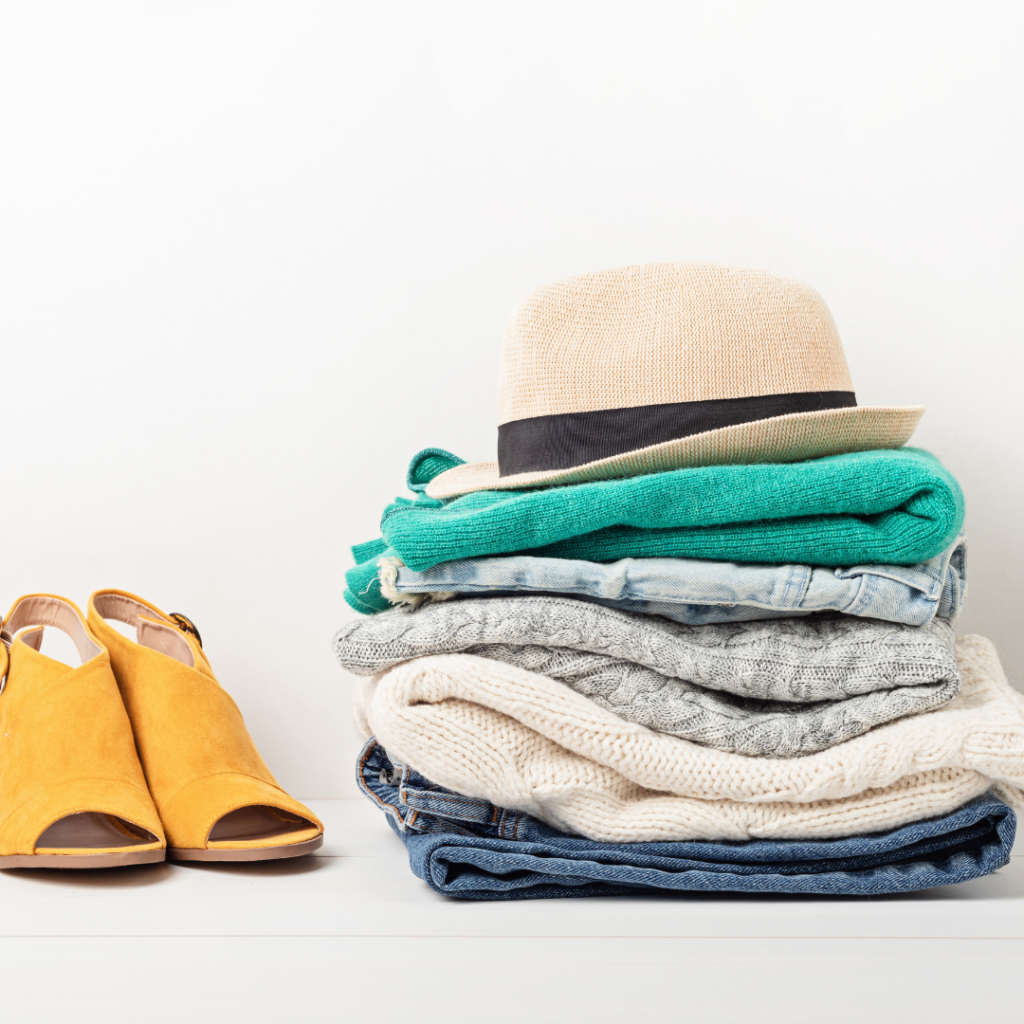
The Environmental Benefits of Circular Fashion
One of the strongest reasons circular fashion is gaining attention is its potential to reduce environmental impact. Traditional fashion production requires significant amounts of water, energy, and raw materials. It also generates substantial waste throughout the supply chain.
Circular fashion helps address these challenges by extending product lifespans and reducing the need for continuous resource extraction. When garments are reused or recycled, fewer new materials are required to create additional products.
Clothing recycling initiatives, repair programs, and resale platforms all contribute to reducing textile waste. These efforts help keep valuable materials in circulation rather than sending them to landfills.
The environmental advantages of circular fashion are becoming increasingly important as governments, businesses, and consumers seek solutions to sustainability challenges. The movement is creating positive momentum across the fashion industry while encouraging innovation and responsible practices.
Fashion Brands Are Adapting to New Expectations
Fashion companies are recognizing that sustainability is no longer optional. Consumers expect brands to demonstrate environmental responsibility, and businesses that ignore these expectations may face growing challenges in the future.
Many fashion brands are now introducing circular business models that include clothing take-back programs, repair services, resale platforms, and recycled material collections. These initiatives help companies reduce waste while strengthening customer relationships.
Some brands are designing garments specifically for durability and recyclability. Others are experimenting with innovative materials that can be reused more effectively throughout multiple product cycles.
This shift is helping businesses create more resilient and future-focused strategies. By embracing circular fashion principles, brands can improve sustainability while also generating new revenue opportunities.
The growing adoption of circular practices highlights the industry’s commitment to long-term transformation.
The Rise of Fashion Resale Markets
Fashion resale has become one of the fastest-growing segments within the circular fashion industry. Consumers are increasingly comfortable purchasing pre-owned clothing, especially when products remain in excellent condition.
The resale market appeals to shoppers for several reasons. It offers affordability, access to unique products, and opportunities to support sustainability goals. Many consumers view resale as a practical way to reduce waste while extending the life of quality garments.
Digital platforms have made fashion resale more accessible than ever before. Online marketplaces allow individuals and businesses to buy and sell clothing efficiently, creating a thriving ecosystem for second-hand fashion.
Investors are paying close attention to this sector because resale markets demonstrate strong growth potential and align closely with sustainability trends.
As consumer acceptance continues increasing, resale is expected to remain a major driver of circular fashion expansion.
Clothing Rental Is Changing Fashion Consumption
Another important component of circular fashion is clothing rental. Instead of purchasing garments that may only be worn occasionally, consumers can rent fashion items for specific events or time periods.
This model reduces unnecessary consumption while giving consumers access to a wider variety of styles. Rental services are particularly popular for luxury fashion, formalwear, and special occasion clothing.
The rise of fashion rental reflects changing attitudes toward ownership. Many consumers are becoming more interested in experiences and flexibility rather than accumulating large wardrobes.
Fashion rental businesses benefit from recurring revenue opportunities while supporting sustainability objectives. This combination makes the sector attractive to entrepreneurs, investors, and environmentally conscious consumers alike.
The continued growth of rental services demonstrates how circular fashion is creating entirely new business models within the industry.
Technology Is Accelerating Circular Fashion Growth
Technology is playing a critical role in advancing circular fashion solutions. Digital tools help businesses track materials, optimize supply chains, and improve recycling processes.
Artificial intelligence is being used to analyze consumer behavior and identify opportunities for waste reduction. Advanced sorting technologies are improving textile recycling efficiency, while digital platforms facilitate resale and rental transactions.
Blockchain technology is also gaining attention for its ability to enhance supply chain transparency. Consumers increasingly want to know where products come from and how they are made, and technology helps provide this information.
These innovations are making circular fashion more practical and scalable. As technology continues advancing, businesses will gain additional tools to support sustainability and improve operational efficiency.
The integration of technology and circular fashion represents one of the most exciting developments within the future of fashion industry innovation.
Challenges Facing the Circular Fashion Industry
Despite its strong momentum, circular fashion still faces several challenges. One of the biggest obstacles is changing long-established consumer habits. Many shoppers remain accustomed to purchasing inexpensive clothing and replacing it frequently.
Infrastructure limitations also create difficulties. Recycling textiles efficiently on a large scale requires significant investment and technological advancement. Some materials remain difficult to recycle effectively, limiting current capabilities.
Businesses must also balance sustainability goals with profitability. While circular models offer long-term benefits, implementing new systems often requires substantial upfront investment.
However, these challenges are gradually being addressed through innovation, collaboration, and growing consumer awareness. The industry continues making progress toward more effective circular solutions.
Understanding these obstacles helps highlight the importance of ongoing commitment and investment within the sector.
Why Investors Are Watching Circular Fashion
Investors are increasingly viewing circular fashion as one of the most promising growth opportunities within the fashion industry. The combination of consumer demand, regulatory support, technological innovation, and environmental necessity creates a compelling business case.
Companies focused on circular fashion often demonstrate strong long-term potential because they align with emerging market trends. Sustainable business models are becoming more attractive as consumers prioritize responsible consumption and governments introduce environmental regulations.
Fashion resale platforms, rental businesses, recycling technologies, and sustainable clothing brands are attracting significant investment because they address both economic and environmental objectives.
The increasing flow of capital into circular fashion highlights confidence in the industry’s future growth potential.
The Future of Circular Fashion
The future of circular fashion appears exceptionally bright. As sustainability becomes a central priority across industries, circular principles are expected to play an increasingly important role in shaping fashion’s future.
More brands will likely adopt circular business models, invest in recycling technologies, and design products with longevity in mind. Consumers will continue embracing resale, rental, repair, and sustainable purchasing habits.
Governments may also introduce policies that encourage circular practices and reduce waste throughout supply chains. These developments could accelerate industry transformation even further.
Ultimately, circular fashion represents more than a trend. It reflects a fundamental shift in how the fashion industry approaches production, consumption, and environmental responsibility.
As awareness, technology, and innovation continue advancing, circular fashion is positioned to become one of the most influential and impactful movements in the future of the global fashion industry. Its growth demonstrates that sustainability and business success can work together to create a stronger, more responsible fashion ecosystem for generations to come.
You May Also Read
Why Online Reviews Matter in Fashion: How Customer Feedback Shapes Smarter Shopping Decisions 2026
Why Online Reviews Matter in Fashion Online shopping has transformed...
Read More
Hair Care and Sleep Habits: How Better Sleep Supports Stronger, Healthier, and Shinier Hair 2026
Hair Care and Sleep Habits Beautiful, healthy hair is often...
Read MoreThe Science Behind Wrinkle-Resistant Clothing: How Modern Fabric Technology Keeps Clothes Looking Fresh 2026
The Science Behind Wrinkle-Resistant Clothing Modern clothing is expected to...
Read More