Gender-Neutral Fashion: Why Unisex Clothing Is Growing Fast
Fashion has always reflected social change, cultural identity, and personal expression. Over the last few years, the fashion industry has experienced a major transformation as consumers increasingly move away from traditional clothing rules and rigid style categories. One of the strongest trends shaping modern fashion today is gender-neutral fashion. Across global markets, unisex clothing is growing rapidly as people seek comfort, freedom of expression, inclusivity, and versatile style choices that go beyond traditional fashion labels.
The rise of gender-neutral clothing trends represents much more than a temporary style movement. It reflects changing attitudes toward identity, individuality, creativity, and personal comfort. Younger generations especially are embracing fashion that focuses less on gender expectations and more on confidence, functionality, and self-expression.
The modern consumer no longer wants to feel restricted by traditional fashion categories designed strictly for men or women. Instead, people increasingly prefer clothing that feels comfortable, adaptable, stylish, and expressive regardless of gender identity. Because of this shift, unisex fashion trends in 2026 are becoming one of the most influential developments in the global fashion industry.
Social media, celebrity influence, digital culture, and streetwear trends have also accelerated the popularity of gender-inclusive clothing brands. Oversized hoodies, loose-fit trousers, neutral colors, relaxed silhouettes, and versatile everyday wear are now widely accepted across different age groups and fashion communities.
At the same time, the growing popularity of unisex apparel has created both admiration and debate within the fashion world. While many people celebrate the movement for promoting inclusivity and creativity, others feel uncertain about the changing direction of traditional fashion identities. These conversations continue shaping the future of modern fashion culture.
Understanding Gender-Neutral Fashion
Gender-neutral fashion refers to clothing designed without strict gender-specific categories. Instead of labeling outfits exclusively for men or women, gender-neutral clothing focuses on universal styles, comfort, functionality, and personal expression.
Modern unisex apparel often includes oversized silhouettes, neutral tones, relaxed fits, streetwear-inspired designs, and minimalist fashion aesthetics. These styles are created to suit a wide range of body types and fashion preferences rather than following traditional gender-based fashion rules.
The importance of gender-neutral fashion has increased because many consumers now prioritize individuality and comfort over rigid style expectations. Fashion is increasingly viewed as a personal form of expression instead of something limited by societal definitions.
The future of gender-neutral fashion also reflects broader cultural conversations about identity, inclusivity, and diversity. Younger consumers especially value brands that promote openness and creative freedom rather than restrictive fashion standards.
At the same time, some traditional fashion consumers may still prefer clearly defined masculine or feminine styles. Fashion diversity therefore continues expanding as both traditional and gender-inclusive styles coexist in modern markets.
Why Unisex Clothing Is Growing Fast
One of the biggest reasons why unisex clothing is growing fast is because modern consumers increasingly value comfort and versatility. Oversized clothing, relaxed silhouettes, and adaptable everyday fashion have become extremely popular across social media and streetwear culture.
People today often prefer clothing that feels practical and easy to style rather than overly structured or restrictive. Unisex clothing allows individuals to mix styles freely without worrying about traditional fashion expectations.
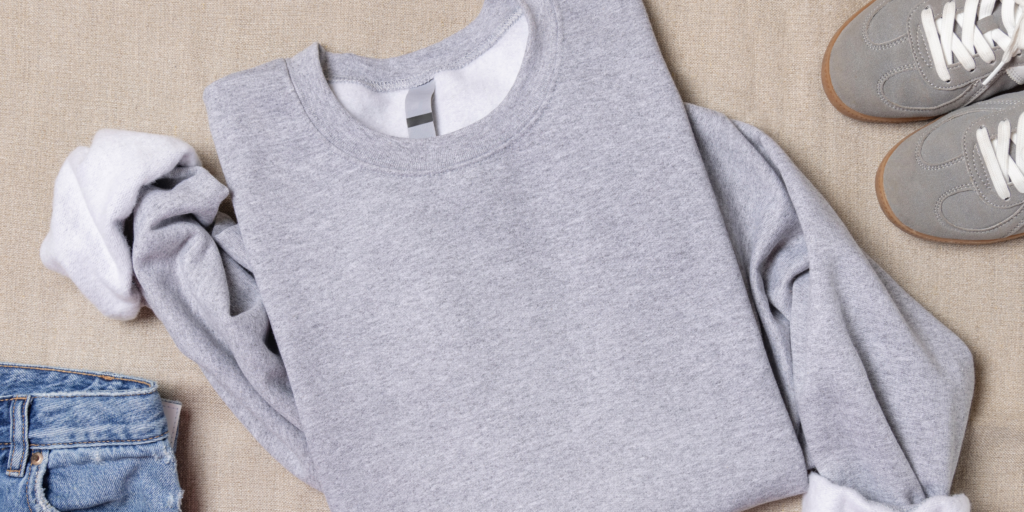
Streetwear and unisex clothing have become closely connected because street fashion naturally encourages experimentation, individuality, and relaxed styling. Hoodies, cargo pants, oversized t-shirts, sneakers, and loose-fit jackets are now worn widely across different gender identities.
Social media platforms have also contributed significantly to this growth. Influencers, celebrities, musicians, and fashion creators regularly promote gender-neutral outfits, helping normalize inclusive fashion trends globally.
The increasing popularity of remote work and casual fashion culture has further strengthened demand for comfortable clothing styles. Consumers now prioritize ease, flexibility, and everyday wearability more than formal or highly gendered fashion choices.
Social Media Is Influencing Fashion Identity
Social media has transformed how people discover fashion inspiration and express personal style. Platforms like Instagram, TikTok, Pinterest, and YouTube expose users to global fashion trends instantly, encouraging experimentation and individuality.
Gender-neutral fashion trends spread rapidly online because younger audiences appreciate authenticity, creativity, and inclusive representation. Fashion influencers often combine masculine and feminine elements freely, inspiring followers to explore unisex styles confidently.
Digital culture has also reduced traditional fashion boundaries because consumers now see diverse fashion choices represented more openly than in previous decades.
The rise of fashion creators promoting self-expression has encouraged many people to wear clothing based on comfort and personality instead of social expectations alone.
However, social media can also create pressure to follow trends constantly. Some individuals may feel uncertain about balancing personal identity with rapidly changing online fashion influences.
Younger Generations Prefer Inclusive Fashion
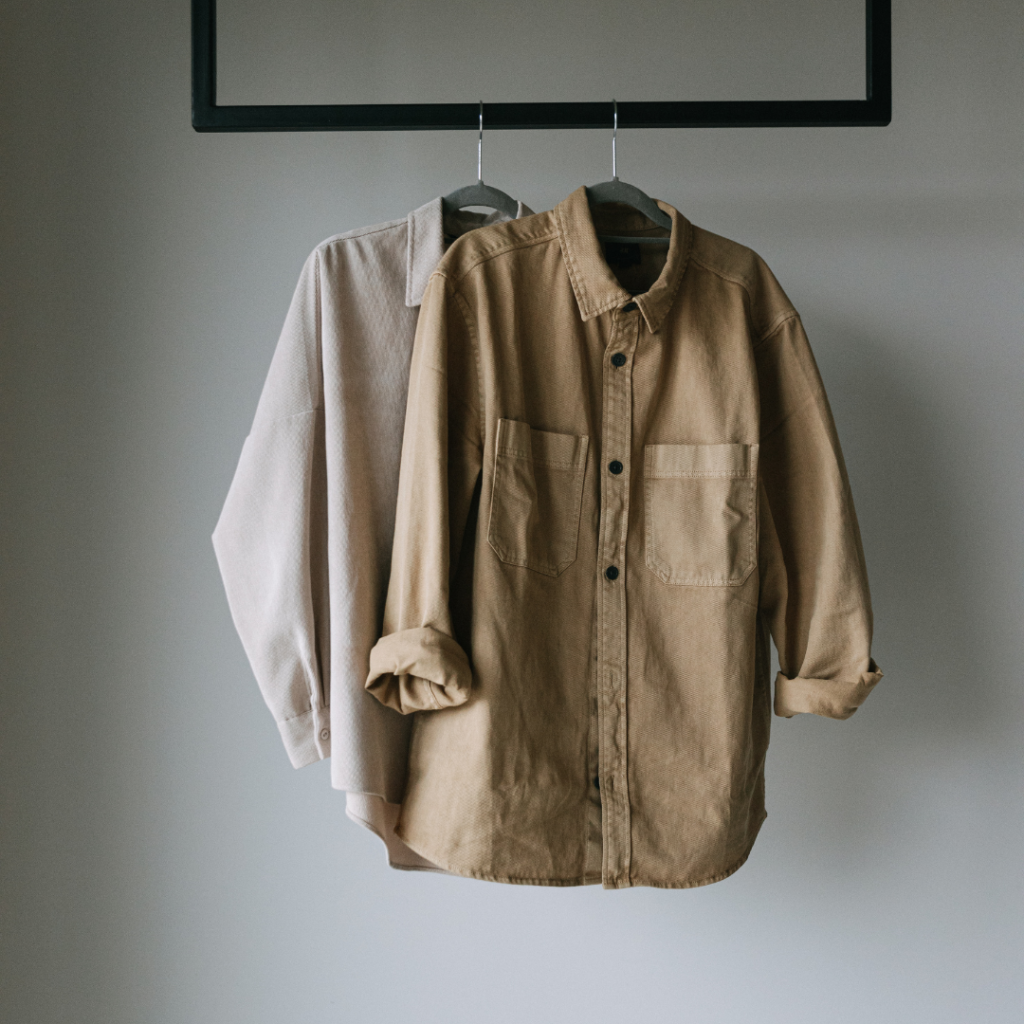
Youth fashion trends are playing a major role in the growth of unisex clothing. Younger generations tend to prioritize individuality, openness, and inclusivity more strongly than previous generations.
Many young consumers view fashion as a reflection of personality rather than gender categories. They often choose outfits based on comfort, creativity, and emotional connection instead of traditional fashion labels.
The inclusive fashion industry has responded by launching more gender-neutral collections, oversized styles, and universal clothing designs targeted toward younger audiences.
Fashion brands increasingly understand that younger consumers support diversity-focused companies that reflect modern social values and self-expression.
At the same time, generational differences sometimes create contrasting opinions regarding evolving fashion norms. While younger audiences often embrace fashion flexibility enthusiastically, older generations may feel more attached to traditional clothing structures and style categories.
Comfort and Practicality Drive Fashion Choices
Comfortable clothing styles have become one of the strongest priorities in modern fashion culture. The shift toward relaxed fashion accelerated significantly after changes in lifestyle, remote work trends, and growing demand for practical everyday wear.
Unisex clothing often focuses on comfort-driven design through soft fabrics, oversized fits, relaxed tailoring, and versatile styling. Consumers increasingly appreciate fashion that combines comfort with modern aesthetics.
Oversized fashion trends especially have become highly popular because they create relaxed and adaptable looks suitable for different environments and body types.
The modern consumer wants clothing that feels wearable throughout daily routines without sacrificing style or individuality.
However, some critics argue that excessive focus on oversized and casual fashion may reduce appreciation for traditional tailoring and structured design artistry within the fashion industry.
Sustainable Fashion Supports Unisex Clothing Growth
Sustainable unisex fashion is another important reason behind the growing popularity of gender-neutral apparel. Many consumers today are becoming more conscious about environmental impact, overproduction, and fast fashion waste.
Unisex clothing often promotes versatility and long-term usability because garments are designed for broader audiences and multiple styling possibilities. This approach can reduce unnecessary overconsumption and encourage more practical wardrobes.
Gender-inclusive clothing brands also frequently align themselves with ethical production, minimalist design, and sustainable manufacturing practices.
Consumers interested in mindful fashion choices often appreciate clothing that remains versatile across trends and seasons instead of depending heavily on temporary style categories.
The future of sustainable fashion will likely continue supporting gender-neutral clothing because adaptability and practicality align closely with environmentally conscious consumer behavior.
Celebrities and Fashion Brands Are Supporting the Trend
Celebrities, musicians, athletes, and fashion designers have strongly influenced the popularity of gender-neutral fashion. Many public figures now wear styles that blur traditional fashion boundaries, helping normalize unisex clothing globally.
Luxury brands, streetwear labels, and independent designers increasingly launch gender-inclusive collections to attract younger and more diverse audiences.
Fashion runways today often feature more fluid styling, oversized tailoring, neutral palettes, and mixed-gender presentations compared to previous decades.
The fashion industry trends clearly indicate that brands recognize growing consumer demand for inclusivity and personal freedom in fashion expression.
At the same time, some fashion critics believe brands occasionally use inclusivity trends mainly for marketing visibility rather than meaningful cultural support. Consumers are therefore becoming more selective about authenticity and brand values.
Gender-Neutral Fashion Encourages Self-Expression
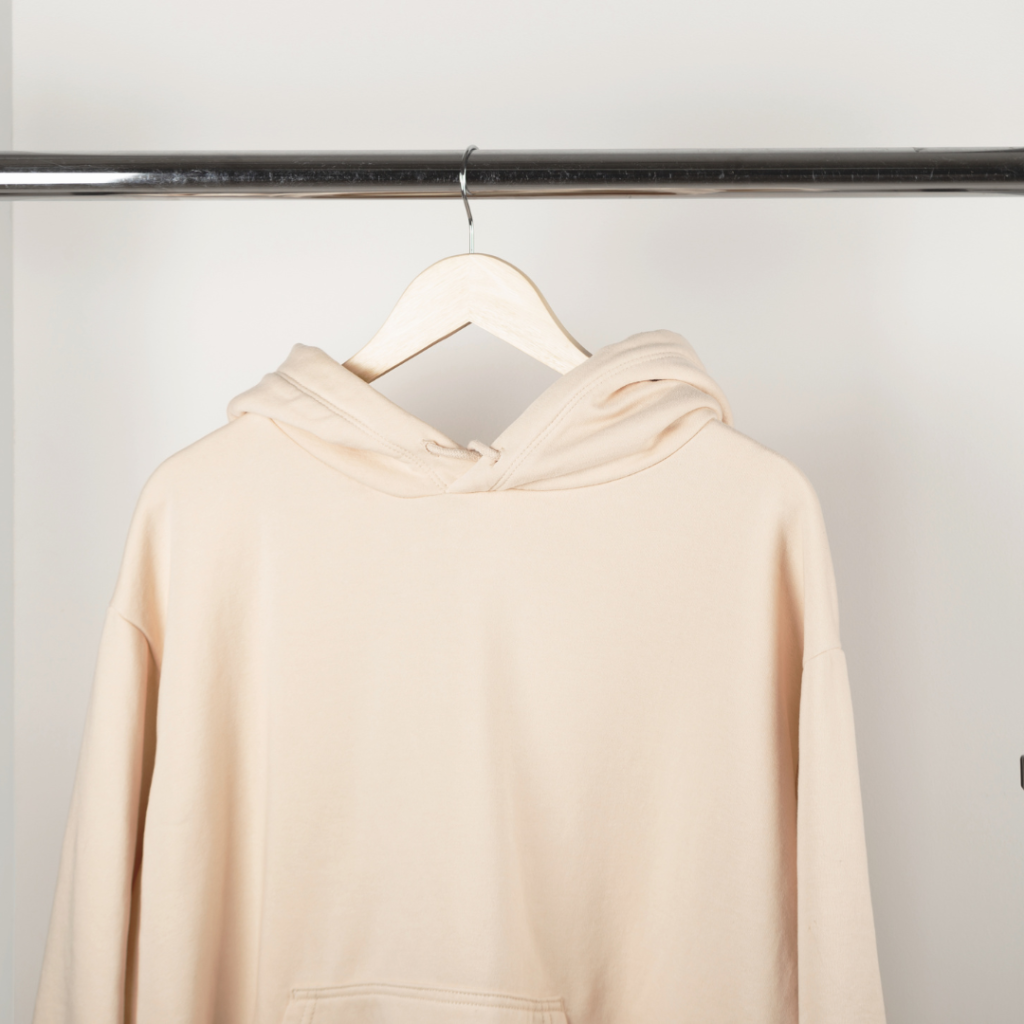
One of the strongest emotional aspects of gender-neutral fashion is the freedom it gives people to express personality without strict social expectations.
Many individuals feel more comfortable experimenting with fashion when clothing is not heavily defined by traditional gender labels.
Fashion becomes more creative and personal when people choose outfits based on mood, confidence, comfort, and artistic identity rather than external pressure.
This freedom of expression has made unisex fashion trends in 2026 especially attractive to younger consumers seeking authenticity and individuality.
However, personal style remains deeply subjective. Some individuals continue preferring traditional masculine or feminine aesthetics, while others enjoy blending influences freely. Modern fashion increasingly supports both choices equally.
Challenges Facing Gender-Neutral Fashion
Although gender-neutral clothing is growing rapidly, the industry still faces challenges related to sizing, fit diversity, marketing strategies, and cultural acceptance.
Designing truly universal clothing can be complex because body shapes and style preferences vary significantly. Some consumers also feel that certain unisex designs focus too heavily on oversized styles without offering broader aesthetic variety.
Cultural differences across regions may also influence acceptance levels regarding gender-inclusive fashion trends.
Despite these challenges, the overall direction of fashion continues moving toward greater flexibility, inclusivity, and personal freedom.
Future of Gender-Neutral Fashion
The future of gender-neutral fashion appears highly promising as consumer attitudes continue evolving. Fashion brands increasingly recognize that younger audiences value comfort, authenticity, and inclusivity over rigid style definitions.
Technology, sustainability, digital fashion culture, and global social influence will likely continue accelerating the popularity of unisex clothing in coming years.
The future fashion industry may become even more focused on personalized style rather than traditional categories, allowing individuals greater freedom to express identity through clothing choices.
Fashion trends will continue evolving, but the growing demand for versatile, comfortable, and inclusive apparel suggests that gender-neutral fashion is far more than a temporary movement.
Conclusion
Gender-neutral fashion and unisex clothing are growing rapidly because modern consumers increasingly prioritize comfort, inclusivity, individuality, and self-expression. Changing social attitudes, digital culture, streetwear influence, and sustainable fashion awareness have all contributed to the rise of modern unisex apparel.
The future of gender-neutral fashion reflects a broader shift toward creative freedom and flexible identity in modern society. While traditional fashion styles still remain important for many consumers, the growing popularity of inclusive clothing trends shows that fashion is becoming more adaptable and expressive than ever before.
As industries continue evolving alongside cultural and technological change, unisex clothing trends in 2026 are likely to remain one of the strongest influences shaping the future of global fashion and personal style.
You May Also Read
Why Online Reviews Matter in Fashion: How Customer Feedback Shapes Smarter Shopping Decisions 2026
Why Online Reviews Matter in Fashion Online shopping has transformed...
Read More
Hair Care and Sleep Habits: How Better Sleep Supports Stronger, Healthier, and Shinier Hair 2026
Hair Care and Sleep Habits Beautiful, healthy hair is often...
Read MoreThe Science Behind Wrinkle-Resistant Clothing: How Modern Fabric Technology Keeps Clothes Looking Fresh 2026
The Science Behind Wrinkle-Resistant Clothing Modern clothing is expected to...
Read More