Why Simplicity Is Making Comeback in Fashion
Introduction
Fashion has always evolved alongside society. Trends come and go, styles transform, and consumer preferences shift from one generation to the next. For years, the fashion industry celebrated bold designs, fast-changing fashion trends, and constantly expanding wardrobes. Consumers were encouraged to buy more, experiment more, and keep up with an endless stream of new styles.
Today, however, something unexpected is happening. Simplicity is making a powerful comeback in fashion. Across the world, consumers are embracing minimalist fashion, investing in timeless style, and moving away from the pressure of constantly chasing trends. From capsule wardrobes and neutral color palettes to sustainable fashion choices and quality clothing, simplicity is becoming one of the most influential movements in modern fashion.
This shift is not simply about aesthetics. It reflects changing attitudes toward consumption, personal style, sustainability, and overall lifestyle priorities. Many people are discovering that owning less can actually create more satisfaction. Instead of filling wardrobes with short-lived fashion trends, consumers are focusing on clothing that offers versatility, comfort, and long-term value.
The growing popularity of minimalist fashion suggests that people are seeking balance in a world often dominated by excess. As fashion continues evolving, simplicity is proving that style does not need to be complicated to be meaningful.
The Rise of Minimalist Fashion
Minimalist fashion has emerged as one of the strongest influences in modern fashion culture. Rather than focusing on constant novelty, minimalist fashion emphasizes clean lines, versatile pieces, and thoughtful clothing choices.
Consumers are increasingly attracted to wardrobes built around essentials rather than impulse purchases. Simple fashion style encourages quality over quantity and prioritizes functionality alongside appearance.
This approach appeals to individuals who want clothing that fits seamlessly into daily life. A minimalist wardrobe reduces decision fatigue while creating a more consistent personal style.
As a result, minimalist fashion is no longer considered a niche trend. It has become a significant force shaping the future of the fashion industry.
Why Consumers Are Tired of Fast Fashion
For years, fast fashion dominated the market by delivering affordable clothing and rapidly changing fashion trends. While this model provided variety and accessibility, it also created challenges.
Consumers became trapped in a cycle of constant purchasing. New collections arrived frequently, encouraging people to replace garments before they had fully appreciated existing ones.
Many shoppers eventually began experiencing fashion fatigue. Closets became crowded, shopping habits became repetitive, and satisfaction often remained temporary.
The desire for simplicity emerged partly as a response to this experience. Consumers started questioning whether more clothing actually created more happiness.
This shift has encouraged greater interest in minimalist fashion, capsule wardrobes, and sustainable fashion practices.
The Connection Between Simplicity and Personal Style
One reason simplicity is making a comeback in fashion is that it helps people reconnect with personal style. In a world filled with trend-driven influences, many consumers struggle to identify what they genuinely enjoy wearing.
Constant exposure to social media fashion, influencer recommendations, and advertising can blur the line between authentic preferences and external influences.
A simple fashion style encourages self-awareness. Instead of following every trend, individuals focus on understanding what works for their lifestyle, body type, and personality.
This approach strengthens confidence because clothing choices become more intentional. Personal style develops naturally when consumers stop chasing every new fashion trend and start prioritizing what truly reflects their identity.
How Social Media Accidentally Created a Simplicity Movement
Social media has undoubtedly accelerated fashion trends, but it has also contributed to the rise of minimalist fashion in unexpected ways.
Many users became overwhelmed by endless product recommendations, shopping hauls, and trend cycles. The constant pressure to update wardrobes created fatigue rather than inspiration.
At the same time, content creators began promoting capsule wardrobes, sustainable fashion, wardrobe management, and mindful consumption. Audiences responded positively because these ideas offered relief from the pressure of constant consumption.
The popularity of minimalist fashion content demonstrates that many consumers are actively seeking simpler approaches to style.
Ironically, the same platforms that accelerated fashion overload also helped popularize fashion simplicity.
The Growing Popularity of Capsule Wardrobes
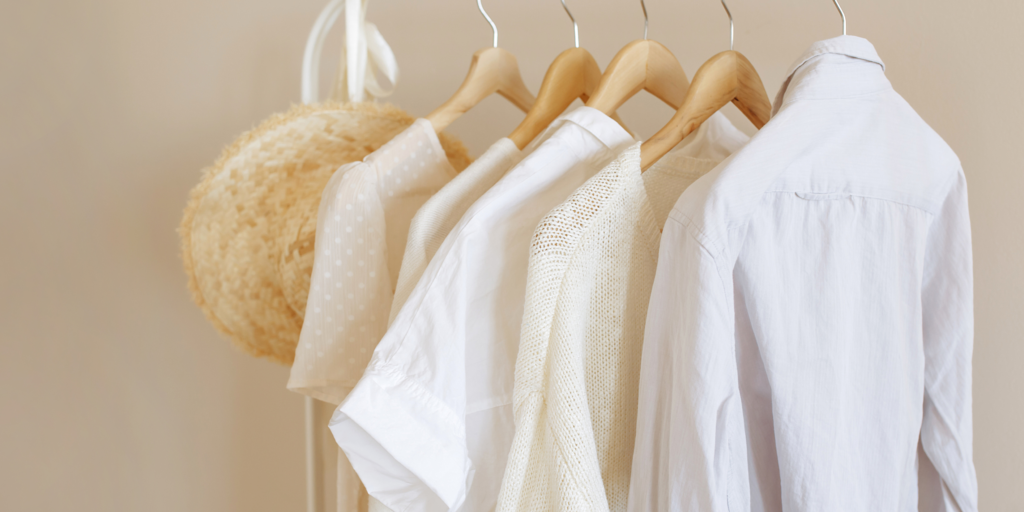
Few concepts illustrate the simplicity movement better than the capsule wardrobe. A capsule wardrobe consists of a carefully selected collection of versatile clothing pieces that work together effortlessly.
Rather than owning dozens of rarely worn garments, consumers focus on clothing essentials that can be mixed and matched across different occasions.
Capsule wardrobes support minimalist fashion by reducing clutter and simplifying daily decisions. They also encourage more intentional purchasing habits.
Many people discover that a smaller wardrobe provides greater flexibility than an overcrowded closet. With fewer but better pieces, creating stylish outfits becomes easier rather than more difficult.
This practical benefit explains why capsule wardrobes continue gaining popularity among fashion-conscious consumers.
Sustainable Fashion Is Driving the Change
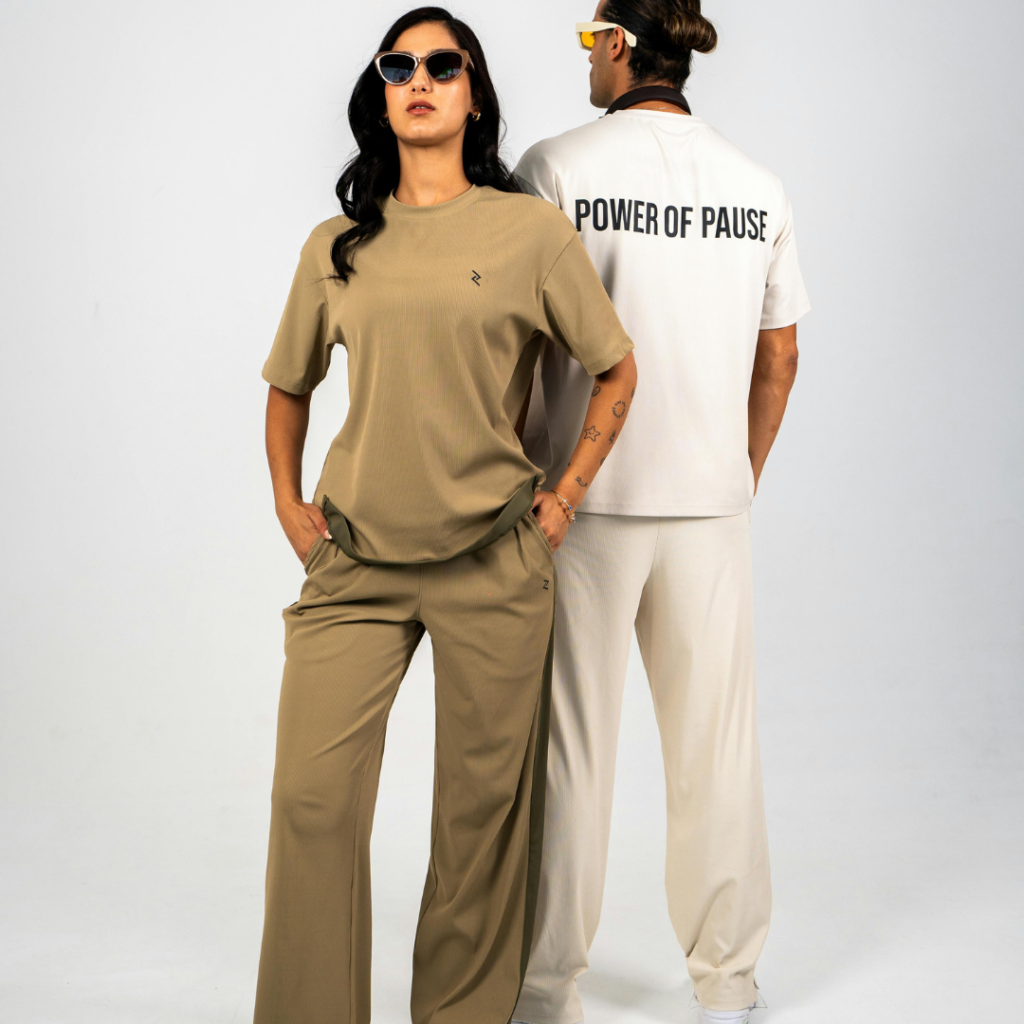
Sustainable fashion has become one of the most important influences behind the return of simplicity. As awareness of environmental concerns grows, consumers are becoming more thoughtful about their purchasing decisions.
Sustainable fashion encourages individuals to buy less frequently while investing in higher-quality garments. Rather than treating clothing as disposable, consumers are encouraged to view it as a long-term investment.
This philosophy aligns naturally with minimalist fashion. Both approaches emphasize quality clothing, conscious fashion choices, and responsible consumption.
Consumers increasingly recognize that simplicity supports both personal satisfaction and environmental responsibility.
The connection between minimalist fashion and fashion sustainability continues strengthening as awareness grows.
Why Timeless Fashion Never Truly Disappears
Fashion trends change constantly, but timeless fashion remains remarkably resilient. Classic silhouettes, neutral colors, and versatile garments continue appealing to consumers regardless of current trends.
Timeless style offers something that trend-driven fashion often cannot: longevity. A well-designed garment remains relevant for years rather than months.
As consumers become more selective, timeless fashion is gaining renewed appreciation. People want clothing that provides value beyond a single season.
Timeless style also supports personal confidence because it is less dependent on external validation. Consumers can focus on wearing what they enjoy rather than worrying about whether a trend remains popular.
This enduring appeal is a major reason simplicity is returning to the center of modern fashion.
Fashion Psychology and the Appeal of Simplicity
Fashion psychology helps explain why consumers are increasingly drawn to simple fashion styles. Human beings often seek clarity and control during periods of uncertainty.
In a world filled with information overload, endless choices, and constant digital stimulation, simplicity feels refreshing. A minimalist wardrobe reduces complexity and creates a sense of order.
Consumers frequently report feeling calmer and more confident when their wardrobes are organized around versatile essentials. Fewer choices can actually improve satisfaction because decision-making becomes easier.
Fashion simplicity provides emotional benefits alongside aesthetic ones.
This psychological appeal helps explain why minimalist fashion continues attracting new followers.
Quality Clothing Is Replacing Quantity
One of the most noticeable changes within fashion consumer behavior is the growing emphasis on quality clothing. Consumers are becoming less interested in accumulating large quantities of garments and more interested in durability and craftsmanship.
A single well-made item often provides greater long-term value than several lower-quality alternatives. This realization has encouraged shoppers to evaluate purchases more carefully.
Quality clothing supports both minimalist fashion and sustainable fashion by reducing unnecessary consumption.
As consumers prioritize longevity, fashion brands are responding by highlighting durability, materials, and craftsmanship rather than simply introducing more products.
This shift represents a significant change in how fashion value is perceived.
Simplicity Encourages More Mindful Shopping Habits
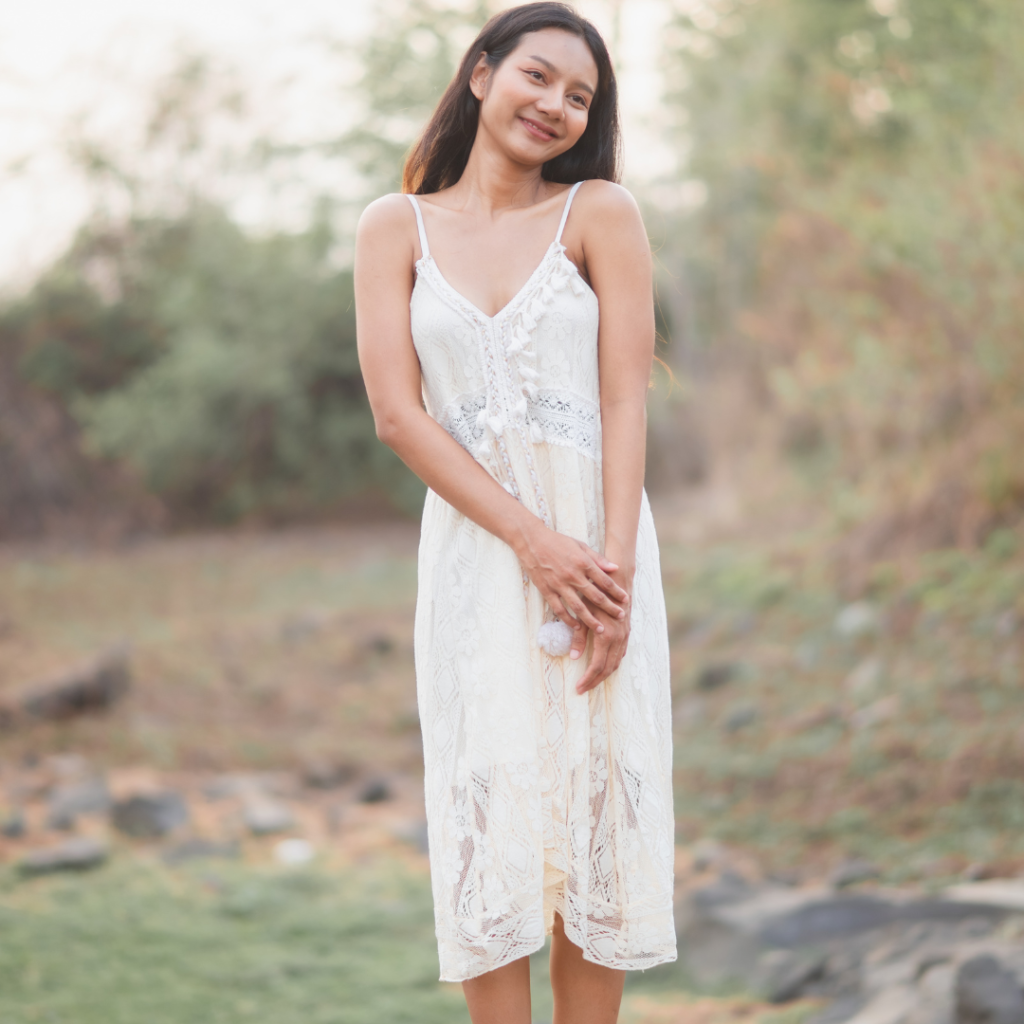
Fashion shopping habits are evolving. Many consumers now pause before making purchases and ask important questions about quality, versatility, and long-term usefulness.
Mindful shopping encourages intentional decision-making rather than impulse buying. Consumers become more selective because they prioritize clothing that genuinely adds value to their wardrobes.
This approach reduces waste, supports personal style, and creates stronger satisfaction with purchases.
Simplicity does not mean abandoning fashion. Instead, it means engaging with fashion more thoughtfully.
Mindful shopping habits help consumers enjoy fashion without feeling overwhelmed by endless options.
The Future of Minimalist Fashion
The future of fashion will likely continue balancing innovation with simplicity. Technology, sustainability, and evolving consumer values will influence how wardrobes are built and maintained.
Minimalist fashion is expected to remain relevant because it addresses many modern concerns, including fashion overload, environmental responsibility, and decision fatigue.
Consumers increasingly want clothing that reflects their values rather than simply following trends. Simplicity offers a practical solution that supports both personal style and sustainable living.
As fashion evolves, the appeal of versatile, timeless, and intentional clothing is likely to become even stronger.
The comeback of simplicity appears to be more than a temporary trend. It represents a meaningful shift in how people think about fashion.
Conclusion
Simplicity is making a comeback in fashion because consumers are seeking greater clarity, authenticity, and value in their clothing choices. Minimalist fashion, capsule wardrobes, sustainable fashion, and timeless style have emerged as powerful alternatives to fast-moving trend cycles and excessive consumption.
This movement reflects changing priorities. People are increasingly focused on quality clothing, conscious fashion decisions, wardrobe management, and personal style rather than constant accumulation.
The rise of minimalist fashion demonstrates that style does not require complexity. In many cases, simplicity creates stronger confidence, greater satisfaction, and more meaningful self-expression.
Ultimately, the future of fashion may not belong to those who own the most clothing. It may belong to those who understand how to wear less with greater purpose, authenticity, and confidence.