The Rise of Mood-Based Makeup Trends
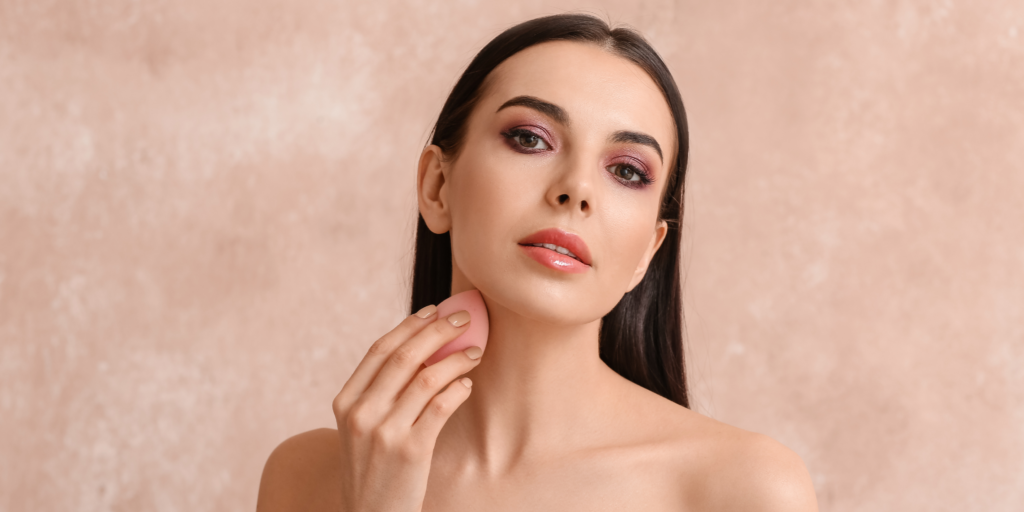
The beauty industry has always reflected changing cultural values, personal preferences, and creative expression. However, in recent years, a fascinating shift has emerged that is transforming how people approach cosmetics. Instead of following beauty trends solely based on seasons, celebrities, or fashion influences, many individuals are now selecting makeup looks based on how they feel emotionally. This growing movement has led to The Rise of Mood-Based Makeup Trends, a beauty phenomenon that connects cosmetics with emotions, self-expression, and personal identity.
Modern consumers increasingly view makeup as more than a tool for enhancing appearance. It has become a powerful form of communication that reflects moods, attitudes, confidence levels, and emotional experiences. Whether someone chooses bright colors to express excitement, soft tones to create calmness, or bold styles to project confidence, makeup is becoming deeply connected to emotional well-being.
Understanding The Rise of Mood-Based Makeup Trends reveals how beauty routines are evolving from appearance-focused practices into personalized forms of emotional expression. This transformation is influencing consumers, brands, influencers, and the future of the beauty industry itself.
Understanding Mood-Based Makeup Trends
To fully understand The Rise of Mood-Based Makeup Trends, it is important to define what mood-based makeup means. Mood-based makeup refers to cosmetic choices that are influenced by emotions, feelings, energy levels, and personal states of mind.
Instead of choosing products solely because they are fashionable or trending, individuals select colors, textures, and styles that align with how they feel at a particular moment.
A cheerful mood may inspire vibrant shades and playful designs. A reflective mood may encourage softer tones and minimalist beauty choices. A confident mindset may lead to bold and dramatic looks.
This approach transforms makeup into a highly personalized experience.
Why Emotional Expression Matters More Than Ever
One of the strongest reasons behind The Rise of Mood-Based Makeup Trends is the growing importance of emotional expression. In a fast-paced world filled with constant digital interaction, many individuals seek meaningful ways to communicate their personality and feelings.
Makeup offers a creative outlet that allows people to express themselves visually. Unlike traditional beauty standards that often emphasize conformity, mood-based makeup celebrates individuality.
Consumers increasingly value authenticity and emotional connection. They want beauty routines that reflect their experiences rather than simply following external expectations.
This shift is helping mood-based makeup gain widespread popularity.
The Connection Between Makeup and Psychology
Psychology plays a significant role in The Rise of Mood-Based Makeup Trends. Human emotions influence decision-making in countless areas of life, including fashion and beauty.
Research in behavioral psychology suggests that colors, aesthetics, and visual presentation can affect mood and perception. People naturally gravitate toward styles that align with their emotional state or help create a desired feeling.
For example, warm colors may evoke enthusiasm and energy, while neutral tones often create a sense of calm and balance.
As consumers become more aware of these connections, emotional beauty choices are becoming increasingly intentional.
Social Media and the Growth of Personalized Beauty
Social media has accelerated The Rise of Mood-Based Makeup Trends by encouraging creativity and individuality. Beauty creators frequently share looks inspired by emotions, daily experiences, and personal stories.
Unlike earlier beauty eras dominated by rigid standards, social platforms allow users to experiment freely and showcase unique interpretations of beauty.
Consumers are exposed to diverse styles that celebrate self-expression rather than perfection.
This environment encourages individuals to view makeup as a reflection of their mood rather than a requirement for fitting into predefined beauty ideals.
The result is a more inclusive and emotionally driven beauty culture.
Why Consumers Are Moving Beyond Traditional Trends
Another factor contributing to The Rise of Mood-Based Makeup Trends is the growing fatigue associated with constantly changing beauty trends. Many consumers no longer want to chase every new product launch or seasonal aesthetic.
Trend cycles have become increasingly rapid, creating pressure and confusion for beauty enthusiasts. Mood-based makeup offers an alternative that feels more personal and sustainable.
Instead of asking what is popular, consumers ask what feels right for them.
This shift empowers individuals to make beauty decisions based on personal satisfaction rather than external influence.
Makeup as a Form of Daily Self-Care
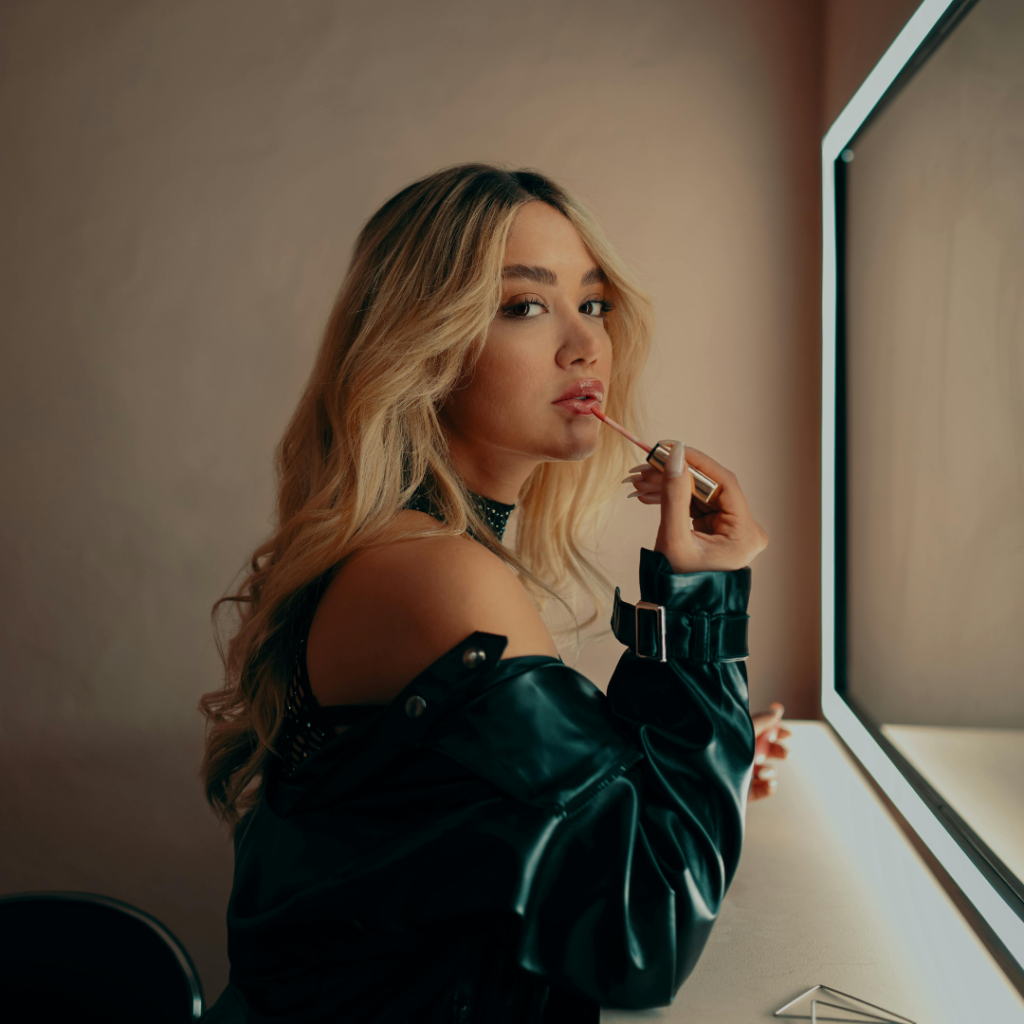
Self-care is closely connected to The Rise of Mood-Based Makeup Trends. For many individuals, applying makeup is not simply a cosmetic activity. It is a ritual that creates moments of focus, relaxation, and creativity.
Selecting colors and techniques based on mood encourages mindfulness and self-awareness. Individuals become more intentional about how they present themselves and how they wish to feel throughout the day.
This process can create a sense of comfort and emotional balance.
As self-care continues gaining importance, mood-based beauty routines are becoming increasingly relevant.
Why Color Psychology Influences Makeup Choices
Color psychology is another major driver behind The Rise of Mood-Based Makeup Trends. Different colors often evoke different emotional responses and associations.
Bright shades may inspire feelings of optimism and excitement. Soft pastels often create a sense of calmness and gentleness. Rich, dramatic tones may project strength and confidence.
Consumers are becoming more aware of how colors influence both personal emotions and social perceptions.
As a result, color selection is playing a larger role in beauty decision-making than ever before.
Mood-based makeup frequently relies on these psychological connections.
The Influence of Personal Identity
Identity is deeply connected to The Rise of Mood-Based Makeup Trends. Modern consumers increasingly seek beauty routines that reflect who they are rather than who they are expected to be.
Mood-based makeup allows individuals to adapt their appearance according to different aspects of their personality and emotional experiences.
This flexibility supports authenticity and encourages greater self-acceptance.
Rather than maintaining a single beauty identity, people can explore multiple expressions of themselves through makeup.
This freedom contributes to the growing popularity of personalized beauty approaches.
Why Beauty Brands Are Embracing Emotional Marketing
Beauty companies are responding to The Rise of Mood-Based Makeup Trends by developing products and campaigns centered around emotions and self-expression.
Brands increasingly focus on themes such as confidence, creativity, empowerment, joy, and individuality. Product collections are often inspired by emotional experiences rather than traditional fashion cycles.
Consumers respond positively to messaging that feels relatable and meaningful.
Emotional storytelling helps beauty brands build stronger relationships with their audiences.
This trend is reshaping beauty marketing strategies worldwide.
The Positive Impact on Consumer Confidence
One reason The Rise of Mood-Based Makeup Trends continues growing is its ability to support confidence. When individuals choose makeup based on their emotional needs rather than external expectations, they often feel more comfortable and authentic.
Authenticity can strengthen self-esteem and reduce the pressure associated with unrealistic beauty standards.
Mood-based beauty routines encourage people to celebrate individuality and creativity.
This perspective promotes a healthier relationship with cosmetics and personal appearance.
Many consumers find this approach both empowering and refreshing.
Challenges of Mood-Based Beauty Choices
While discussing The Rise of Mood-Based Makeup Trends, it is important to recognize potential challenges. Emotional beauty choices are highly personal, which means there is no universal formula for success.
Consumers may occasionally feel overwhelmed by endless options or uncertain about how to translate emotions into visual styles.
Additionally, social media comparisons can sometimes create unrealistic expectations despite the movement’s focus on individuality.
However, these challenges are generally outweighed by the freedom and creativity that mood-based makeup encourages.
The trend continues evolving in positive and innovative ways.
The Future of Mood-Based Makeup Trends
The future of The Rise of Mood-Based Makeup Trends appears exceptionally promising. Advances in beauty technology, personalization tools, and consumer education are likely to accelerate this movement.
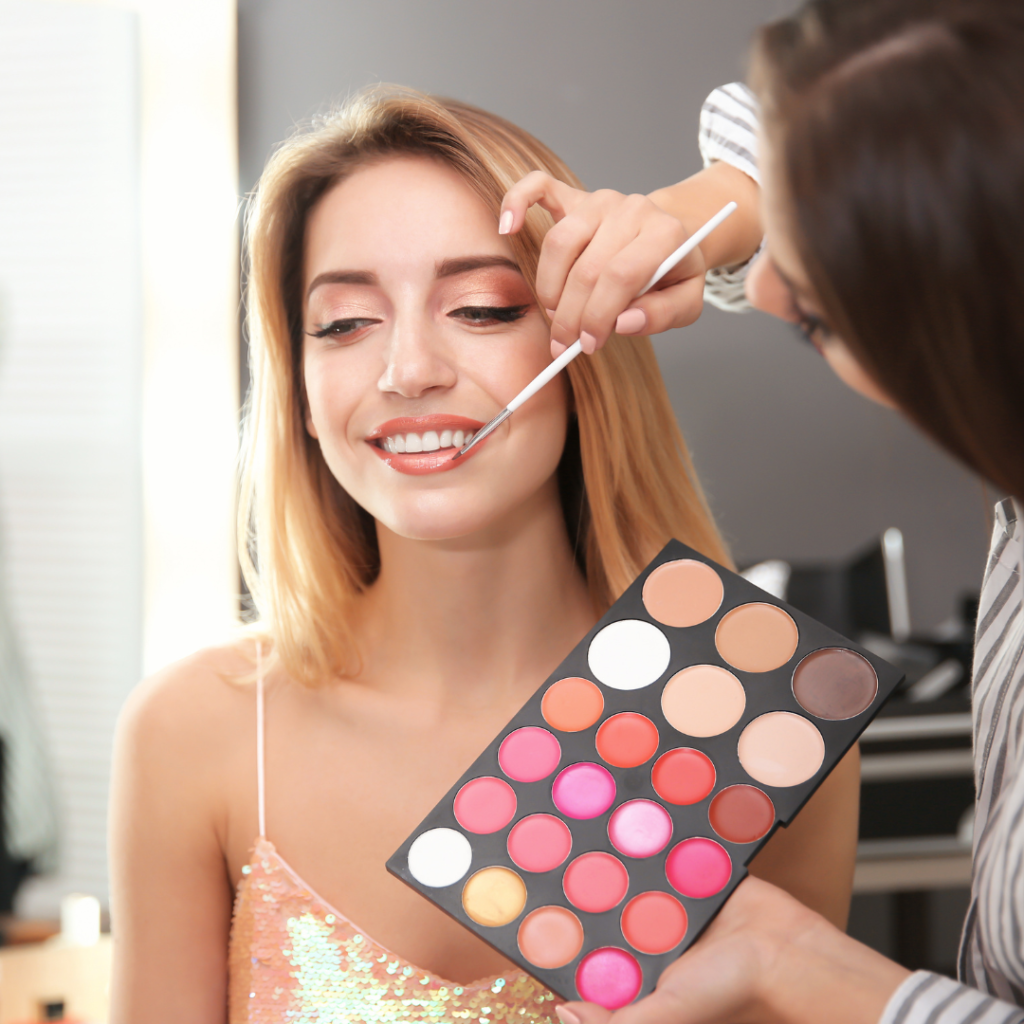
Future products may offer customized recommendations based on mood, lifestyle, and personal preferences. Beauty brands may increasingly integrate emotional wellness concepts into product development.
Consumers are expected to continue prioritizing authenticity, creativity, and emotional connection over rigid beauty standards.
This evolution reflects broader cultural changes emphasizing individuality and self-awareness.
Mood-based makeup is becoming a meaningful part of modern beauty culture.
Conclusion
The Rise of Mood-Based Makeup Trends reflects a powerful transformation in the relationship between beauty and self-expression. Consumers are increasingly using makeup as a tool for communicating emotions, enhancing confidence, and expressing individuality.
By connecting beauty routines with personal feelings, mood-based makeup offers a more authentic and flexible approach to cosmetics. It encourages creativity, supports self-care, and allows individuals to explore different aspects of their identity.
As beauty trends continue evolving, emotional connection and personalization are expected to play even larger roles in consumer behavior. The future of beauty is no longer focused solely on appearance—it is increasingly centered on how people feel. In this changing landscape, mood-based makeup trends represent a meaningful shift toward authenticity, emotional well-being, and creative self-expression.