
How Fashion Overconsumption Impacts Personal Finances
Fashion has always been more than clothing. It reflects personality, confidence, culture, and creativity. For many people, shopping for clothes is an enjoyable experience that offers excitement and a sense of renewal. New outfits can create a feeling of confidence, help individuals express themselves, and provide temporary satisfaction. However, when clothing purchases become excessive, the financial consequences often remain hidden until they begin affecting larger financial goals. Understanding how fashion overconsumption impacts personal finances is becoming increasingly important in a world where trends change rapidly and shopping opportunities are available around the clock.
Modern consumers are surrounded by constant fashion influences. Social media platforms, online advertisements, influencer recommendations, flash sales, and fast fashion brands encourage frequent purchasing. The convenience of digital shopping makes it easier than ever to buy clothing with just a few clicks. While occasional fashion purchases are normal, repeated and unnecessary spending can quietly weaken financial stability over time.
How fashion overconsumption impacts personal finances goes far beyond the cost of individual garments. It affects savings, budgeting, investment opportunities, debt levels, and overall financial well-being. Many consumers underestimate the long-term impact of small, frequent purchases because each transaction appears insignificant on its own. Yet when combined over months and years, these expenses can become substantial.
As awareness of financial wellness grows, more people are examining their shopping habits and recognizing the connection between fashion consumption and personal financial health. Understanding this relationship is essential for building a wardrobe that supports both style and long-term financial success.
The Rise of Fashion Overconsumption
To understand how fashion overconsumption impacts personal finances, it is important to examine why excessive clothing purchases have become so common. The fashion industry has evolved dramatically over the past two decades.
Fast fashion companies now release new products continuously rather than seasonally. Social media platforms expose consumers to fresh trends every day. Influencers showcase outfit inspiration, shopping hauls, and style transformations that encourage viewers to purchase similar items.
As a result, many consumers feel pressure to constantly update their wardrobes. Clothing is often viewed as disposable rather than durable, leading to frequent purchases that may provide only short-term satisfaction.
How fashion overconsumption impacts personal finances begins with this culture of continuous consumption, where buying new clothing becomes a habit rather than a necessity.
Small Purchases Create Large Financial Consequences
One reason fashion overconsumption is so difficult to recognize is that individual purchases often seem affordable. A discounted shirt, a trendy accessory, or a pair of shoes on sale may not appear financially significant.
However, personal finance experts frequently emphasize that repeated small expenses can accumulate rapidly. A few clothing purchases each week may seem harmless, but over the course of a year, the total spending can become surprisingly large.
How fashion overconsumption impacts personal finances becomes evident when consumers calculate their annual clothing expenses. Many discover they have spent far more than expected on items they rarely wear.
This gradual accumulation of spending often goes unnoticed until financial goals begin to feel difficult to achieve.
Impulse Buying Weakens Financial Discipline
Impulse buying plays a major role in excessive fashion consumption. Online stores, limited-time promotions, and targeted advertising are specifically designed to encourage quick purchasing decisions.
Consumers often buy clothing because of excitement, boredom, emotional triggers, or fear of missing out rather than genuine need. These emotional purchases provide immediate gratification but frequently lead to regret later.
How fashion overconsumption impacts personal finances is closely linked to impulsive shopping behavior. When purchasing decisions are driven by emotion rather than intention, budgets become harder to manage.
Developing greater awareness of spending habits can help consumers make more thoughtful and financially responsible choices.

Trend Chasing Creates Endless Spending Cycles
Fashion trends have always existed, but modern trends move faster than ever before. A style that dominates social media today may lose popularity within a few months.
Consumers who constantly chase trends often find themselves replacing clothing long before it wears out. New purchases quickly replace previous purchases, creating a cycle of continuous spending.
How fashion overconsumption impacts personal finances becomes especially noticeable when wardrobes are filled with items that were purchased for temporary trends but are rarely worn afterward.
Instead of creating long-term value, trend chasing frequently generates repeated expenses with limited lasting benefit.
Savings Goals Are Often Delayed
One of the most significant financial consequences of excessive clothing purchases is the impact on savings. Every unnecessary purchase represents money that could have been allocated elsewhere.
Emergency funds, education plans, travel goals, retirement savings, and investment opportunities all require consistent financial contributions. Frequent fashion spending can reduce the resources available for these important priorities.
How fashion overconsumption impacts personal finances extends beyond current expenses. It also affects future financial security and flexibility.
Consumers who regularly redirect discretionary spending toward savings often experience greater financial confidence and stability over time.
Credit Card Debt Can Increase
Many fashion purchases are made using credit cards, especially when consumers shop online. While credit cards offer convenience, they can also encourage overspending if balances are not managed carefully.
Small fashion purchases charged repeatedly to credit cards may seem manageable initially. However, interest charges can significantly increase the true cost of these items when balances remain unpaid.
How fashion overconsumption impacts personal finances becomes more serious when debt begins accumulating. Consumers may find themselves paying substantially more for clothing than the original purchase price.
Debt-related financial stress can affect multiple aspects of life beyond shopping habits alone.
Wardrobe Clutter Represents Financial Waste
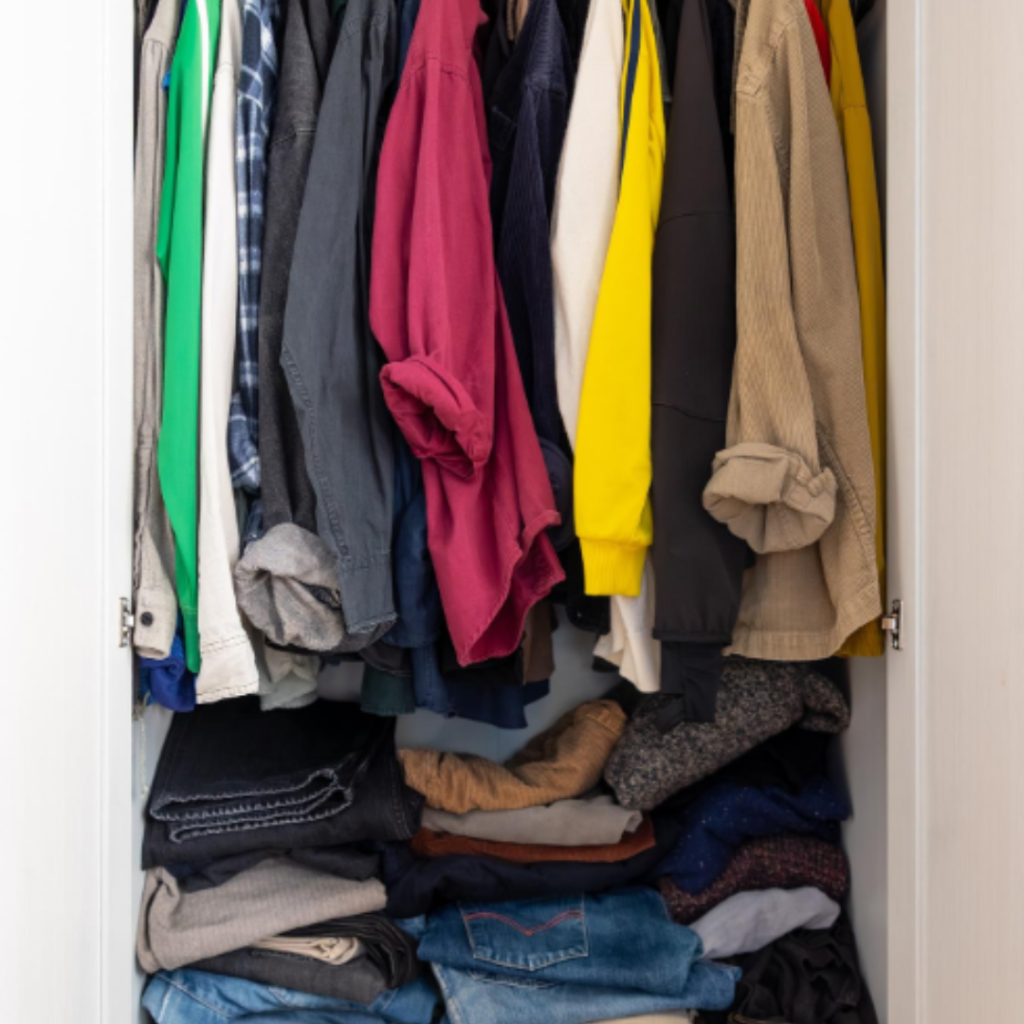
An overflowing wardrobe often reflects more than fashion preferences. It can also represent accumulated financial waste.
Many people own clothing that remains unworn for months or even years. Some items still have original tags attached, while others were purchased for specific occasions and never used again.
How fashion overconsumption impacts personal finances can be measured not only by money spent but also by the value of unused clothing sitting in closets.
A wardrobe filled with rarely worn items often indicates inefficient spending and missed opportunities to invest money more effectively.
Social Media Encourages Comparison Spending
Social media platforms have become powerful influences on consumer behavior. Constant exposure to influencers, celebrities, and fashion creators can create unrealistic expectations regarding appearance and lifestyle.
Many consumers compare themselves to curated online images and feel pressure to purchase new clothing in order to keep up. This comparison-driven spending often occurs subconsciously.
How fashion overconsumption impacts personal finances is increasingly connected to digital environments where trends spread rapidly and purchasing opportunities are always available.
Recognizing these influences helps consumers make decisions based on personal needs rather than external pressure.
Fast Fashion Creates the Illusion of Affordability
Fast fashion brands often attract consumers with low prices. While individual items may appear affordable, the overall spending pattern can become surprisingly expensive.
Because garments are inexpensive, consumers may purchase multiple items at once without carefully evaluating whether they are truly needed. The low price reduces the perceived importance of the purchase decision.
How fashion overconsumption impacts personal finances is amplified when frequent low-cost purchases accumulate into significant annual expenses.
Affordable clothing is not always financially beneficial if it encourages excessive consumption.
Quality Purchases Often Provide Better Value
One effective way to reduce the financial impact of fashion overconsumption is to prioritize quality over quantity. Durable, versatile clothing often provides greater long-term value than multiple low-quality items.
Quality garments tend to last longer, maintain their appearance, and integrate more effectively into existing wardrobes. As a result, consumers often need fewer replacements.
How fashion overconsumption impacts personal finances can be reduced by shifting focus from frequent purchases to thoughtful investments in versatile wardrobe essentials.
This approach supports both financial efficiency and personal style development.
Intentional Shopping Creates Financial Freedom
Financially successful individuals often approach spending with intention. Rather than purchasing impulsively, they evaluate whether a product aligns with their goals, budget, and actual needs.
Intentional shopping encourages consumers to ask important questions before making purchases. Will this item be worn regularly? Does it complement existing clothing? Is it worth the cost?
How fashion overconsumption impacts personal finances becomes easier to manage when purchasing decisions are guided by purpose rather than impulse.
Intentional spending creates greater satisfaction because purchases are more likely to deliver lasting value.
Building a Financially Healthy Relationship with Fashion
Fashion does not need to be eliminated from life in order to improve financial health. The goal is balance rather than restriction. Consumers can enjoy clothing, self-expression, and style while maintaining financial responsibility.
Developing healthy shopping habits involves creating budgets, tracking spending, avoiding emotional purchases, and focusing on long-term value. These strategies help consumers enjoy fashion without compromising financial stability.
How fashion overconsumption impacts personal finances serves as a reminder that every purchase represents a financial decision with broader consequences.
A balanced approach allows consumers to enjoy fashion while protecting future opportunities.
The Long-Term Benefits of Conscious Consumption
Conscious consumption involves making thoughtful choices about what to buy, how often to buy it, and why it is being purchased. This mindset encourages greater awareness of both financial and environmental consequences.
Consumers who adopt conscious consumption habits often experience multiple benefits. They save money, reduce clutter, strengthen financial discipline, and develop clearer personal style preferences.
How fashion overconsumption impacts personal finances becomes less significant when individuals prioritize intentional purchasing and long-term value.
The rewards of mindful spending often extend well beyond financial outcomes.
Conclusion
How fashion overconsumption impacts personal finances is a topic that deserves greater attention in today’s fast-moving consumer culture. While fashion can provide enjoyment, creativity, and confidence, excessive clothing purchases often create hidden financial challenges that accumulate over time.
From impulse buying and trend chasing to credit card debt and delayed savings goals, the consequences of fashion overconsumption reach far beyond the wardrobe. Small purchases may seem insignificant individually, but their cumulative impact can influence long-term financial well-being.
By adopting intentional shopping habits, prioritizing quality over quantity, and focusing on personal style rather than constant trend consumption, consumers can build healthier relationships with both fashion and money. Ultimately, understanding how fashion overconsumption impacts personal finances empowers individuals to make smarter decisions that support financial stability, personal confidence, and lasting satisfaction.