
How Fashion Can Open New Professional Opportunities
Fashion is often viewed as a form of self-expression, but its influence extends far beyond personal style. In today’s highly competitive professional environment, fashion has become an essential element of career development, personal branding, and business success. The way individuals present themselves can shape first impressions, influence professional relationships, and even create unexpected career opportunities. Whether someone works in a corporate office, runs a business, participates in creative industries, or attends networking events, professional fashion plays a significant role in establishing credibility and building confidence.
The connection between fashion career opportunities and professional growth has become stronger than ever. Employers, clients, and business partners often form initial perceptions within seconds of meeting someone. A polished appearance can communicate professionalism, attention to detail, and reliability. On the other hand, neglecting personal presentation may create barriers that limit advancement and reduce opportunities for meaningful professional connections. As workplace expectations continue to evolve, understanding the relationship between fashion and career growth has become increasingly valuable.
The Growing Importance of Professional Fashion
Modern workplaces have transformed significantly over the past decade. While skills, qualifications, and experience remain essential, personal presentation continues to influence how professionals are perceived. Professional fashion is no longer limited to traditional business suits. Instead, it reflects an individual’s ability to understand workplace culture while maintaining authenticity and confidence.
Fashion for professionals serves as a visual communication tool. Before a conversation begins, clothing choices often communicate competence, discipline, and awareness of industry standards. This silent communication can create favorable impressions that support professional growth. A thoughtfully chosen wardrobe helps professionals align their appearance with their career goals and workplace expectations.
The impact of workplace fashion can be particularly noticeable during interviews, client meetings, presentations, and industry conferences. A professional appearance can help establish trust and encourage positive interactions. Conversely, inappropriate attire may create uncertainty and reduce the effectiveness of professional communication. These subtle influences demonstrate why fashion career development has become an important consideration for ambitious professionals.
Fashion as a Powerful Personal Branding Tool
Personal branding has emerged as a critical component of career success. In a crowded professional marketplace, individuals must find ways to distinguish themselves while maintaining credibility. Fashion and career growth are closely connected because clothing contributes significantly to personal brand identity.
A consistent professional style helps create a memorable image. When individuals develop a recognizable appearance that reflects their values and expertise, they strengthen their professional reputation. Personal branding through fashion allows professionals to communicate confidence, creativity, leadership, or innovation depending on their career objectives.
For example, professionals working in creative industries may embrace modern and expressive fashion choices, while those in finance or law often favor polished and structured attire. Neither approach is inherently superior; success depends on aligning fashion choices with industry expectations and personal goals. This strategic approach to professional fashion helps individuals create stronger professional identities and attract new opportunities.
The ability to project a strong personal brand can influence hiring decisions, business partnerships, and leadership opportunities. Fashion becomes more than clothing—it becomes a professional asset that supports long-term career advancement.
Building Confidence Through Professional Appearance
Confidence remains one of the most valuable qualities in any professional setting. Fashion and professional success often intersect because clothing can significantly affect how individuals feel about themselves. When people are comfortable and confident in their appearance, they are more likely to communicate effectively, engage in networking activities, and pursue leadership opportunities.
Professional fashion can contribute to a positive mindset by helping individuals feel prepared for important situations. Whether attending a job interview, presenting to executives, or participating in industry events, the right wardrobe can create a sense of readiness and self-assurance.
Research and workplace observations consistently suggest that confidence influences professional performance. Employees who feel confident often demonstrate stronger communication skills, greater initiative, and improved collaboration. While fashion alone cannot guarantee success, it can support the mindset required to pursue professional opportunities and overcome workplace challenges.
At the same time, poor wardrobe choices may create discomfort, uncertainty, or distraction. These negative influences can affect confidence and reduce professional effectiveness. This contrast highlights the importance of investing in professional appearance as part of overall career development.
Fashion and Networking Opportunities
Networking remains one of the most effective ways to discover new professional opportunities. Industry events, conferences, seminars, and business gatherings provide valuable opportunities to build relationships and expand professional networks. Fashion networking opportunities often emerge when appearance helps create approachable and memorable first impressions.
A professional image can encourage conversations and establish credibility during networking interactions. Individuals who present themselves confidently and appropriately are often perceived as more prepared and engaged. This perception can lead to meaningful discussions, business connections, and career referrals.
Fashion also contributes to nonverbal communication during networking events. Appropriate attire demonstrates respect for the occasion and signals professionalism. These qualities can help professionals stand out in competitive environments where first impressions influence future opportunities.
However, networking success requires balance. Overly casual attire may undermine credibility, while excessively formal clothing could create distance in relaxed environments. Understanding industry expectations allows professionals to use fashion strategically while maintaining authenticity.
Expanding Opportunities Beyond Traditional Careers
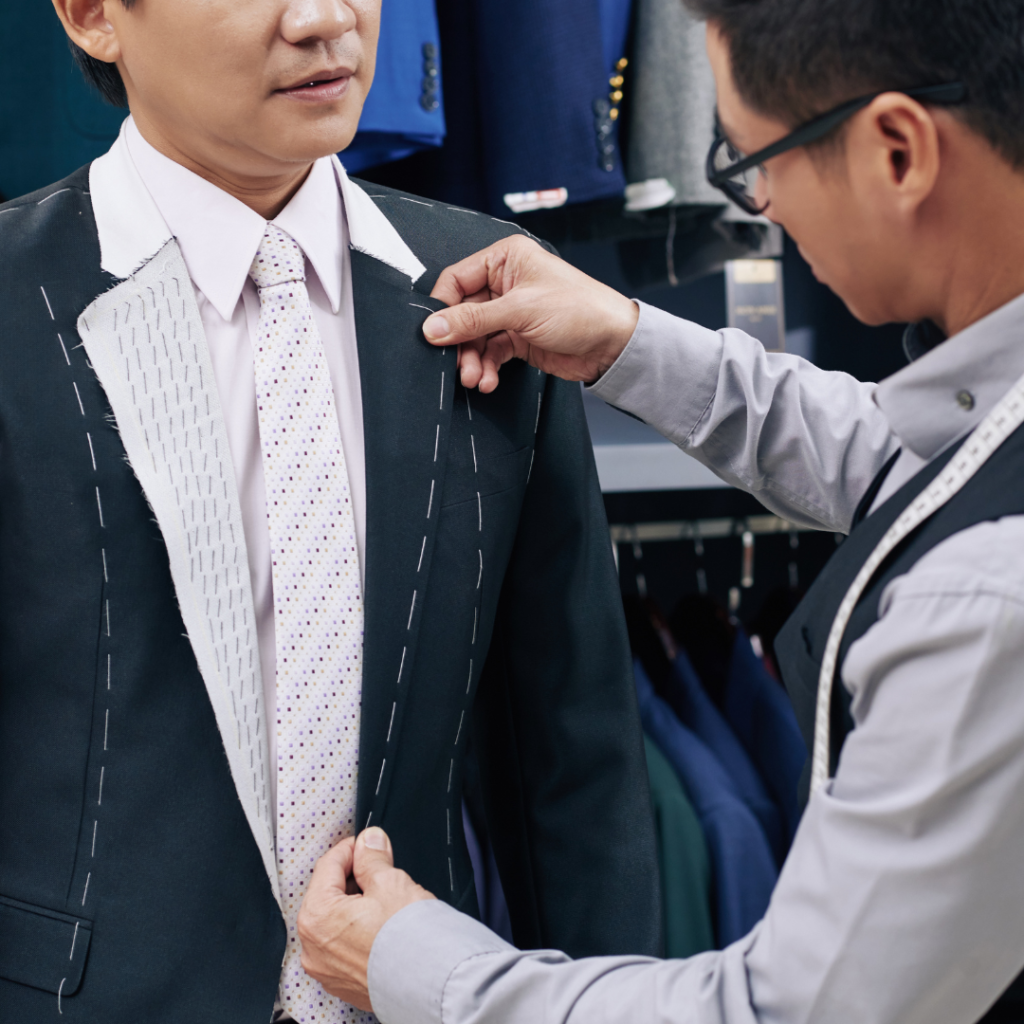
The influence of fashion extends beyond conventional workplace settings. Social media platforms, personal websites, and digital portfolios have created new ways for professionals to showcase expertise and build visibility. Fashion industry careers have expanded significantly, creating opportunities in styling, content creation, fashion marketing, brand consulting, and personal image coaching.
Even professionals outside the fashion industry can benefit from understanding style and presentation. Entrepreneurs, consultants, freelancers, and content creators often use professional fashion to strengthen their online presence and attract clients. A polished visual identity can enhance credibility and support business growth.
The rise of digital networking has made professional appearance more visible than ever. Video meetings, virtual presentations, and social media profiles contribute to personal branding efforts. As a result, fashion and professional success continue to influence career opportunities in both physical and digital environments.
Adapting to Changing Workplace Trends
Business fashion trends continue to evolve as workplace cultures become more flexible. Traditional dress codes have relaxed in many industries, creating greater freedom for personal expression. However, this flexibility also requires professionals to make thoughtful decisions about appearance.
Successful professionals understand how to balance individuality with workplace expectations. They recognize that fashion should support their professional objectives rather than distract from them. This approach allows them to remain relevant while maintaining credibility.
Career advancement through fashion involves adaptability. Professionals who stay informed about workplace trends can adjust their appearance to reflect changing expectations. This awareness demonstrates professionalism and cultural understanding, both of which contribute to long-term success.
Ignoring workplace fashion trends may create challenges in environments where presentation remains important. While skills and expertise remain the foundation of career growth, appearance continues to influence professional perception. Understanding this reality helps professionals make informed choices that support their goals.
The Long-Term Value of Investing in Professional Fashion
Investing in professional fashion should be viewed as an investment in career development rather than a superficial expense. High-quality clothing, appropriate grooming, and a consistent personal style can deliver long-term benefits that extend beyond appearance alone.
Professional image influences confidence, networking effectiveness, leadership perception, and personal branding efforts. These factors collectively contribute to career success through fashion and professional growth. While fashion cannot replace talent or experience, it can enhance the way those qualities are perceived by others.
A strong professional appearance also demonstrates attention to detail, discipline, and self-respect. These characteristics are often associated with leadership potential and professional excellence. As a result, fashion career opportunities frequently emerge when appearance supports broader professional objectives.

Conclusion
Fashion has become a valuable tool for career growth in today’s professional landscape. From strengthening personal branding through fashion to creating networking opportunities and enhancing confidence, professional fashion can influence numerous aspects of career development. The relationship between fashion and career growth continues to evolve as workplaces adapt to new trends and expectations.
Professionals who understand the importance of workplace fashion are often better positioned to create favorable impressions, build stronger relationships, and pursue career advancement opportunities. While appearance alone cannot guarantee success, it can complement skills, experience, and ambition in meaningful ways. By investing in a professional image that reflects competence and authenticity, individuals can unlock new professional opportunities and strengthen their path toward long-term success.