
The Future of Gender-Inclusive Fashion Design
Fashion has always reflected social change, cultural values, and evolving consumer expectations. Throughout history, clothing has often been categorized according to traditional gender norms, with distinct styles, cuts, and collections designed separately for men and women. However, modern consumers are increasingly challenging these conventions, creating new opportunities for innovation within the fashion industry. As a result, Gender-Inclusive Fashion Design is emerging as one of the most influential movements shaping the future of fashion.
The growing interest in Gender-Inclusive Fashion Design reflects a broader shift toward individuality, flexibility, and self-expression. Consumers are placing greater value on clothing that aligns with personal preferences rather than rigid categories. This transformation is encouraging designers, retailers, and fashion brands to rethink traditional approaches and create collections that focus on versatility, comfort, and accessibility.
The future of fashion is becoming increasingly centered on inclusion. Rather than defining style through narrow expectations, the industry is moving toward designs that embrace a wider range of identities, body types, and personal tastes. This evolution is not simply a trend; it represents a meaningful response to changing consumer values and the growing demand for clothing that prioritizes freedom of expression.
Understanding Gender-Inclusive Fashion Design
Gender-Inclusive Fashion Design refers to the creation of clothing that is not restricted by traditional gender classifications. Instead of designing garments exclusively for men or women, fashion brands develop collections that can be worn and interpreted by a broader audience.
The concept focuses on adaptability, functionality, and personal choice. Rather than emphasizing predefined fashion rules, Gender-Inclusive Fashion Design encourages consumers to select clothing based on fit, comfort, style preferences, and individual identity.
This approach does not eliminate diversity within fashion. Instead, it expands opportunities by offering more flexible options. Consumers can explore styles without feeling constrained by outdated expectations, allowing fashion to become a more personal and empowering experience.
As consumer attitudes continue to evolve, Gender-Inclusive Fashion Design is gaining recognition as a forward-thinking solution that aligns with modern lifestyles and cultural shifts.
Why Consumer Preferences Are Changing
One of the primary drivers behind Gender-Inclusive Fashion Design is the changing mindset of modern consumers. Today’s shoppers increasingly value authenticity, individuality, and self-expression. They are less interested in following strict fashion rules and more interested in wearing clothing that reflects their personalities.
Social media, digital communities, and global cultural exchange have contributed to this transformation. Consumers are exposed to diverse fashion influences from around the world, encouraging greater openness to different styles and perspectives.
Many individuals now prioritize comfort, versatility, and practicality over traditional fashion categories. They want clothing that adapts to their lifestyles rather than forcing them into predefined boxes. This demand has accelerated interest in Gender-Inclusive Fashion Design and encouraged brands to rethink their product strategies.
The shift also reflects a desire for greater freedom in personal style. Consumers increasingly view fashion as a form of self-expression rather than a set of limitations.
The Role of Comfort and Wearability
Comfort has become one of the most influential factors shaping modern fashion decisions. The growing popularity of Gender-Inclusive Fashion Design is closely connected to the demand for clothing that feels natural, functional, and adaptable.
Traditional fashion categories sometimes prioritize appearance over wearability. In contrast, many gender-inclusive collections emphasize relaxed fits, versatile silhouettes, and practical designs that support everyday movement and comfort.
Consumers appreciate clothing that can transition seamlessly between different environments and activities. This flexibility contributes to greater wardrobe satisfaction and supports a more efficient approach to dressing.
As comfort continues to influence purchasing behavior, Gender-Inclusive Fashion Design is likely to remain highly relevant because it aligns with the broader trend toward practical and wearable fashion.
Fashion Innovation Is Driving Inclusive Design
Innovation plays a crucial role in the future of Gender-Inclusive Fashion Design. Advances in textile technology, digital design tools, and data-driven product development are helping brands create more adaptable clothing solutions.
Modern fashion companies are increasingly using consumer insights to understand how people interact with clothing. This information helps designers develop garments that accommodate a wider range of body shapes, style preferences, and functional needs.
Technology is also enabling greater personalization. Consumers can increasingly access customized sizing, flexible fits, and adaptive clothing options that enhance the overall fashion experience.
These innovations support the growth of Gender-Inclusive Fashion Design by making clothing more accessible, comfortable, and relevant to diverse audiences.

The Impact of Fashion Diversity
Diversity has become a powerful force within the fashion industry. Consumers expect brands to represent a broader range of experiences, perspectives, and identities. This expectation has contributed significantly to the rise of Gender-Inclusive Fashion Design.
Fashion campaigns, runway presentations, and marketing initiatives increasingly showcase diverse individuals wearing versatile clothing styles. This visibility helps normalize inclusive fashion and encourages broader acceptance.
The emphasis on diversity also benefits brands by allowing them to connect with larger audiences. Consumers often respond positively when they see themselves represented authentically within fashion imagery and messaging.
As diversity continues to shape industry standards, Gender-Inclusive Fashion Design will likely play an increasingly important role in creating meaningful connections between brands and consumers.
Sustainability and Gender-Inclusive Fashion Design
Sustainability is another major factor influencing the future of Gender-Inclusive Fashion Design. Consumers are becoming more aware of the environmental impact of clothing production and are seeking ways to make more responsible purchasing decisions.
Inclusive clothing often supports sustainability by emphasizing versatility and long-term wearability. Garments designed for broader use may reduce the need for excessive wardrobe duplication and encourage more thoughtful consumption habits.
Consumers increasingly value clothing that offers multiple styling possibilities and remains relevant across changing trends. These characteristics align closely with both sustainability goals and the principles of Gender-Inclusive Fashion Design.
By combining inclusivity with environmental responsibility, fashion brands can create products that resonate with modern consumer priorities.
Challenges Facing Gender-Inclusive Fashion Design
Despite its growing popularity, Gender-Inclusive Fashion Design faces several challenges. One of the most significant obstacles involves sizing and fit. Designing clothing that accommodates diverse body shapes while maintaining comfort and style requires careful planning and innovation.
Some consumers may also be unfamiliar with inclusive fashion concepts and require time to adapt to changing industry norms. Fashion brands must communicate clearly and educate audiences about the benefits of inclusive design.
There is also the challenge of balancing inclusivity with individuality. Consumers still want clothing that reflects their unique preferences, making personalization an important component of future development.
These challenges are not barriers to progress but opportunities for innovation. As the industry continues to evolve, solutions are likely to emerge that strengthen the effectiveness of Gender-Inclusive Fashion Design.
How Fashion Brands Are Adapting
Many fashion companies are already embracing Gender-Inclusive Fashion Design by introducing unisex collections, flexible sizing systems, and adaptable product lines. These initiatives reflect a growing recognition that consumer expectations are changing.
Brands are investing in research, testing, and customer feedback to better understand how inclusive clothing can meet diverse needs. They are also exploring new design approaches that prioritize versatility and functionality.
Marketing strategies are evolving as well. Rather than focusing exclusively on traditional gender categories, many campaigns emphasize individuality, creativity, and self-expression.
These efforts demonstrate that Gender-Inclusive Fashion Design is becoming an integral part of the industry’s future rather than a temporary experiment.
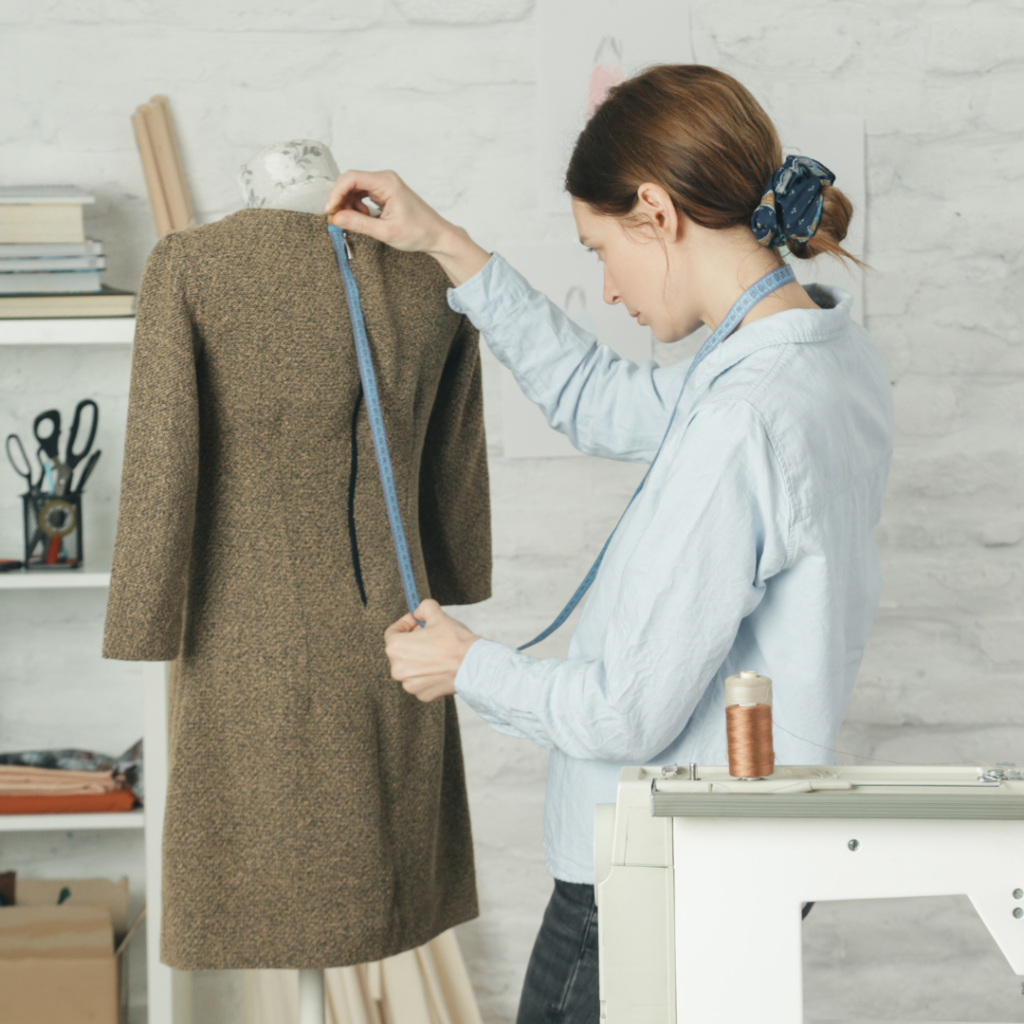
The Future of Inclusive Fashion
The future of Gender-Inclusive Fashion Design appears exceptionally promising. As cultural attitudes continue to evolve, consumers will likely demand even greater flexibility, representation, and personalization from fashion brands.
Technological advancements will support more accurate sizing, customized fits, and innovative garment construction techniques. These developments will make inclusive fashion more accessible and effective for a broader range of consumers.
At the same time, sustainability initiatives, digital retail experiences, and evolving consumer values will continue shaping industry priorities. Fashion brands that embrace inclusivity and adaptability will be better positioned to meet future expectations.
The continued growth of Gender-Inclusive Fashion Design signals a fashion landscape that values freedom, creativity, and individuality above rigid categories.
Conclusion
The future of Gender-Inclusive Fashion Design represents a significant evolution in how clothing is created, marketed, and experienced. Consumers are increasingly seeking fashion that prioritizes comfort, versatility, authenticity, and personal expression rather than traditional limitations.
As innovation, sustainability, and diversity continue influencing the industry, Gender-Inclusive Fashion Design will play a central role in shaping the next generation of fashion. Brands that embrace inclusive design principles will not only meet changing consumer expectations but also contribute to a more adaptable and welcoming fashion environment.
The future of fashion is becoming more open, flexible, and consumer-focused. Through Gender-Inclusive Fashion Design, the industry has an opportunity to create clothing that celebrates individuality while supporting comfort, creativity, and meaningful self-expression for everyone.