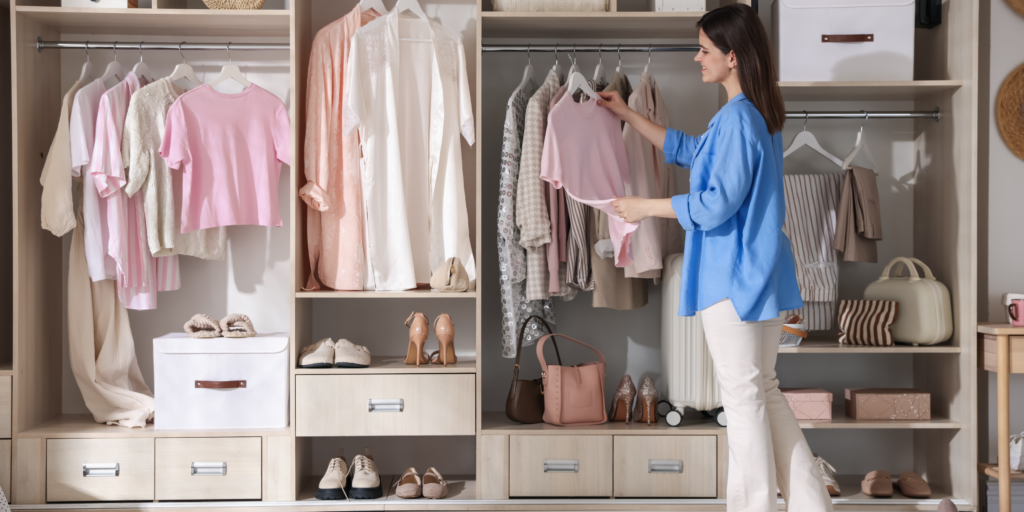
The Emotional Journey Behind Building a Personal Wardrobe
A wardrobe is often viewed as a collection of clothing, shoes, and accessories organized inside a closet. However, for many people, a personal wardrobe represents something much deeper. It reflects experiences, aspirations, memories, confidence, identity, and personal growth. Every garment tells a story, and every purchasing decision contributes to a larger narrative about who a person is and how they choose to present themselves to the world. This is why the emotional journey behind building a personal wardrobe is far more meaningful than simply buying clothes.
Fashion is closely connected to human emotions. People do not choose clothing solely based on practicality or appearance. They often make decisions influenced by confidence, comfort, ambition, belonging, self-expression, and personal values. Over time, these emotional influences shape wardrobes in ways that reflect evolving lifestyles and changing priorities.
The emotional journey behind building a personal wardrobe is unique for every individual. Some people develop their style through experimentation, while others gradually discover what makes them feel authentic and comfortable. Throughout this process, clothing becomes more than fabric. It becomes a visual expression of personal identity.
As fashion trends continue evolving, the importance of personal wardrobes remains strong. Understanding the emotional connection between people and their clothing reveals why wardrobe building is often a transformative experience rather than a simple shopping activity.
Why Clothing Carries Emotional Meaning
Clothing is deeply connected to memory and emotion. Many people can instantly recall important life moments by thinking about specific outfits they wore during those experiences. Graduation ceremonies, first job interviews, weddings, celebrations, vacations, and personal achievements are often associated with particular garments.
The emotional journey behind building a personal wardrobe begins with these emotional connections. Clothing becomes linked to experiences, creating sentimental value that extends beyond practical function.
A jacket may represent confidence gained during a career milestone. A dress may symbolize an unforgettable celebration. Even everyday clothing can carry emotional significance because it becomes associated with meaningful chapters of life.
These emotional attachments influence future purchasing decisions and wardrobe preferences.
People often seek clothing that recreates feelings of comfort, confidence, excitement, or personal accomplishment.
As a result, wardrobes gradually become collections of both garments and memories.
The Early Stages of Personal Style Discovery
Building a personal wardrobe often begins with exploration. During adolescence and early adulthood, many individuals experiment with different fashion influences while trying to understand their identity.
Fashion becomes a tool for self-discovery. People test various styles, colors, silhouettes, and trends to determine what feels authentic.
The emotional journey behind building a personal wardrobe frequently involves uncertainty during these early stages. Individuals may struggle between following trends and expressing personal preferences.
External influences such as social media, celebrities, peer groups, and cultural expectations often shape initial fashion choices.
Over time, however, experience helps people identify which styles genuinely resonate with their personality and lifestyle.
This process of discovery is an important part of personal growth.
Every experiment contributes valuable insight into what creates confidence, comfort, and self-expression.
The journey may involve mistakes, but those experiences often lead to stronger style awareness.
How Fashion Influences Confidence
Confidence is one of the strongest emotional factors influencing wardrobe development.
People often notice that certain outfits make them feel more capable, energetic, professional, or comfortable. These emotional responses influence future clothing choices.
The emotional journey behind building a personal wardrobe is closely connected to confidence because individuals naturally gravitate toward garments that support positive self-perception.
Clothing can affect posture, communication, and social interactions. When people feel comfortable in their appearance, they often project greater confidence and authenticity.
This relationship encourages individuals to build wardrobes that align with their personal goals and self-image.
Confidence-building pieces often become wardrobe staples because they consistently create positive emotional experiences.
Over time, these trusted garments contribute to a stronger sense of personal identity.
Fashion becomes a tool for reinforcing self-belief and expressing individuality.

The Role of Life Experiences in Wardrobe Development
Major life events frequently reshape wardrobes.
Career transitions, educational achievements, relocation, relationships, parenthood, and personal transformations all influence clothing choices.
The emotional journey behind building a personal wardrobe evolves because people evolve.
A student entering the workforce may begin investing in professional attire. A new parent may prioritize comfort and practicality. Someone pursuing a healthier lifestyle may choose clothing that reflects increased confidence and well-being.
Life experiences often introduce new priorities that influence wardrobe decisions.
Clothing becomes a reflection of current circumstances while preserving elements of personal identity.
As responsibilities and goals change, wardrobes adapt accordingly.
This ongoing evolution makes fashion a dynamic representation of personal growth and life experiences.
Every stage contributes new layers to an individual’s style story.
Why Personal Style Is More Important Than Trends
Fashion trends come and go, but personal style tends to endure.
Many people initially focus heavily on trends because they provide guidance and inspiration. However, long-term wardrobe satisfaction often comes from developing a style that feels authentic.
The emotional journey behind building a personal wardrobe involves gradually shifting attention from external trends toward internal preferences.
Individuals learn which garments align with their values, personality, and lifestyle rather than simply following popular fashion movements.
Personal style creates consistency and confidence because it reflects genuine identity.
This does not mean ignoring trends entirely. Instead, trends become optional additions rather than defining influences.
Consumers who understand their personal style often make more intentional purchasing decisions.
As self-awareness grows, wardrobes become increasingly personalized and meaningful.
Authenticity becomes more valuable than temporary fashion popularity.
The Connection Between Fashion and Self-Expression
Fashion serves as a powerful form of nonverbal communication.
People often express aspects of their personality, creativity, beliefs, and aspirations through clothing choices.
The emotional journey behind building a personal wardrobe is deeply connected to self-expression because wardrobes provide opportunities to communicate individuality.
Some individuals prefer minimalist styles that emphasize simplicity and sophistication. Others embrace bold colors, unique silhouettes, or artistic details that reflect creativity.
Fashion allows people to present themselves in ways that align with their identity.
This ability to express individuality contributes significantly to emotional satisfaction.
When wardrobes accurately reflect personality, people often experience greater confidence and authenticity.
The connection between fashion and self-expression helps explain why wardrobe building remains such a meaningful personal process.
Why Wardrobe Building Can Feel Overwhelming
Despite its benefits, building a personal wardrobe can sometimes create frustration.
Consumers are exposed to constant advertising, rapidly changing trends, and endless product choices. This abundance of options can make decision-making difficult.
The emotional journey behind building a personal wardrobe occasionally includes uncertainty, disappointment, and confusion.
People may purchase clothing that looks appealing but does not fit their lifestyle or personality. Others struggle to balance fashion aspirations with practical needs and budgets.
These challenges are common and often part of the learning process.
Over time, individuals gain greater clarity about their preferences and priorities.
The key is viewing wardrobe development as an ongoing journey rather than a destination.
Every experience contributes valuable insight that improves future decisions.
Patience and self-awareness often lead to more satisfying outcomes.
The Growing Appeal of Capsule Wardrobes
The rise of capsule wardrobes reflects changing attitudes toward fashion and consumption.
Many consumers are moving away from excessive purchasing and embracing more intentional wardrobe building.
The emotional journey behind building a personal wardrobe increasingly includes a desire for simplicity, organization, and long-term value.
Capsule wardrobes focus on versatile, high-quality pieces that can be combined in multiple ways.
This approach reduces clutter while increasing functionality.
Consumers often find emotional relief in owning fewer but more meaningful garments.
A well-curated wardrobe creates confidence because every item serves a purpose.
The emphasis shifts from quantity to quality and from trends to versatility.
This movement aligns with broader values related to sustainability, mindfulness, and conscious consumption.
How Clothing Reflects Personal Growth
One of the most fascinating aspects of wardrobe building is its connection to personal development.
As individuals grow, their clothing often changes alongside them.
The emotional journey behind building a personal wardrobe mirrors broader life experiences, achievements, setbacks, and transformations.
Clothing choices may reflect increased confidence, evolving priorities, or new aspirations.
A wardrobe often serves as a visual timeline of personal growth.
Items that once felt important may no longer align with current values, while new additions reflect emerging identities.
This evolution demonstrates how fashion adapts to changing circumstances.
Wardrobes become living collections that tell stories about where individuals have been and where they hope to go.
The connection between clothing and personal growth makes wardrobe building uniquely meaningful.
Why Emotional Value Matters More Than Price
The most meaningful pieces in a wardrobe are not always the most expensive.
Emotional value often plays a greater role than financial cost.
The emotional journey behind building a personal wardrobe is shaped by experiences, memories, and personal significance rather than price tags.
A simple garment associated with a meaningful life event may hold greater importance than a luxury purchase.
Consumers increasingly recognize that emotional connection contributes to long-term satisfaction.
Clothing that aligns with identity, values, and memories often remains treasured for years.
This emotional dimension explains why some garments become irreplaceable regardless of their market value.
Fashion becomes meaningful when it reflects personal stories and authentic experiences.
The emotional impact of clothing frequently outweighs its monetary worth.
The Future of Personal Wardrobe Building
The future of wardrobe building will likely become even more personalized.
Consumers are increasingly prioritizing quality, sustainability, authenticity, and emotional well-being.
The emotional journey behind building a personal wardrobe will continue evolving as technology, fashion innovation, and consumer values change.
Personalized recommendations, digital styling tools, and sustainable fashion practices may simplify decision-making while supporting individuality.
Despite technological advances, the emotional connection between people and clothing will remain important.
Fashion will continue serving as a tool for self-expression, confidence, and personal storytelling.
Wardrobes will remain reflections of identity and experience rather than simply collections of products.
This emotional dimension ensures that wardrobe building remains meaningful across generations.
Conclusion
The emotional journey behind building a personal wardrobe is about much more than acquiring clothing. It is a process of self-discovery, confidence building, personal expression, and growth. Every wardrobe reflects a unique combination of experiences, memories, values, aspirations, and lifestyle choices.
Throughout life, clothing serves as both a practical necessity and an emotional companion. It supports important moments, reflects evolving identities, and helps individuals communicate who they are without speaking a word.
As personal style develops, wardrobes become increasingly meaningful because they represent authenticity rather than imitation. They tell stories about challenges overcome, goals achieved, and lessons learned.
Ultimately, building a personal wardrobe is not simply a fashion journey. It is a reflection of personal evolution. Every garment contributes to a larger narrative about identity, confidence, and self-expression. That is why the emotional journey behind building a personal wardrobe remains one of the most fascinating aspects of fashion and human behavior.