
Why Gen Z Is Changing Fashion Expectations
Fashion has always evolved alongside society, reflecting cultural movements, economic shifts, technological advancements, and changing consumer priorities. However, few generations have influenced the fashion industry as rapidly and significantly as Generation Z. Born into a digital-first world, Gen Z has grown up with constant access to information, social media, global trends, and diverse perspectives. As a result, this generation approaches fashion differently than previous generations, creating new expectations that are transforming how brands design, market, and sell products.
Gen Z fashion is no longer driven solely by seasonal trends or traditional fashion authorities. Instead, it is shaped by authenticity, individuality, sustainability, digital experiences, and social awareness. Young consumers are questioning long-established industry practices while encouraging brands to adopt more transparent, inclusive, and innovative approaches. Their purchasing decisions are often influenced by values as much as style, creating a significant shift in fashion consumer behavior.
The impact of Gen Z fashion trends extends beyond clothing choices. This generation is reshaping the future of fashion by redefining what consumers expect from brands and the overall shopping experience. Understanding why Gen Z is changing fashion expectations reveals how digital culture, sustainability, self-expression, and innovation are influencing the next chapter of the global fashion industry.
The Rise of Individuality in Gen Z Fashion
One of the most defining characteristics of Gen Z fashion is the emphasis on individuality. Unlike previous generations that often followed specific style categories or dominant trends, Gen Z consumers frequently prioritize personal expression over conformity.
Fashion has become a platform for creativity and identity. Gen Z style often combines influences from different eras, cultures, and aesthetics to create unique looks that reflect personal preferences rather than traditional fashion rules. This approach has encouraged a broader acceptance of diverse fashion choices and reduced the importance of rigid style standards.
Changing fashion expectations are closely linked to this desire for authenticity. Gen Z consumers are less interested in wearing what everyone else is wearing and more interested in expressing their individuality through clothing. Fashion personalization has become increasingly important because it allows consumers to create looks that feel genuine and distinctive.
Social media platforms have amplified this movement by providing spaces where people can share personal style and connect with others who appreciate creative self-expression. These platforms encourage experimentation and make fashion more accessible to diverse audiences.
Although individuality can sometimes create challenges for brands attempting to predict trends, it also opens opportunities for innovation and deeper consumer engagement.
Why Sustainability Matters to Gen Z Consumers
Sustainability has become one of the most influential factors shaping Gen Z shopping habits. Environmental awareness is significantly higher among younger consumers, and many view fashion choices as reflections of broader personal values.
Sustainable fashion has moved from a niche concept to a major industry priority largely because of changing consumer expectations. Gen Z consumers often research brands, evaluate production practices, and seek transparency before making purchasing decisions. They want to know where products come from, how they are made, and whether companies align with their values.
Fashion industry trends increasingly reflect this shift. Brands are investing in sustainable materials, ethical manufacturing processes, and circular fashion initiatives to meet growing demand. Consumers are rewarding companies that demonstrate genuine commitment to responsible practices.
Fashion consumer behavior reveals that younger shoppers often prioritize quality and longevity over excessive consumption. Many embrace secondhand fashion, clothing rental services, and mindful purchasing habits as alternatives to fast-fashion models.
While sustainability challenges remain complex, Gen Z’s influence has accelerated conversations about environmental responsibility and encouraged meaningful changes throughout the fashion industry.
The Impact of Social Media on Fashion Expectations
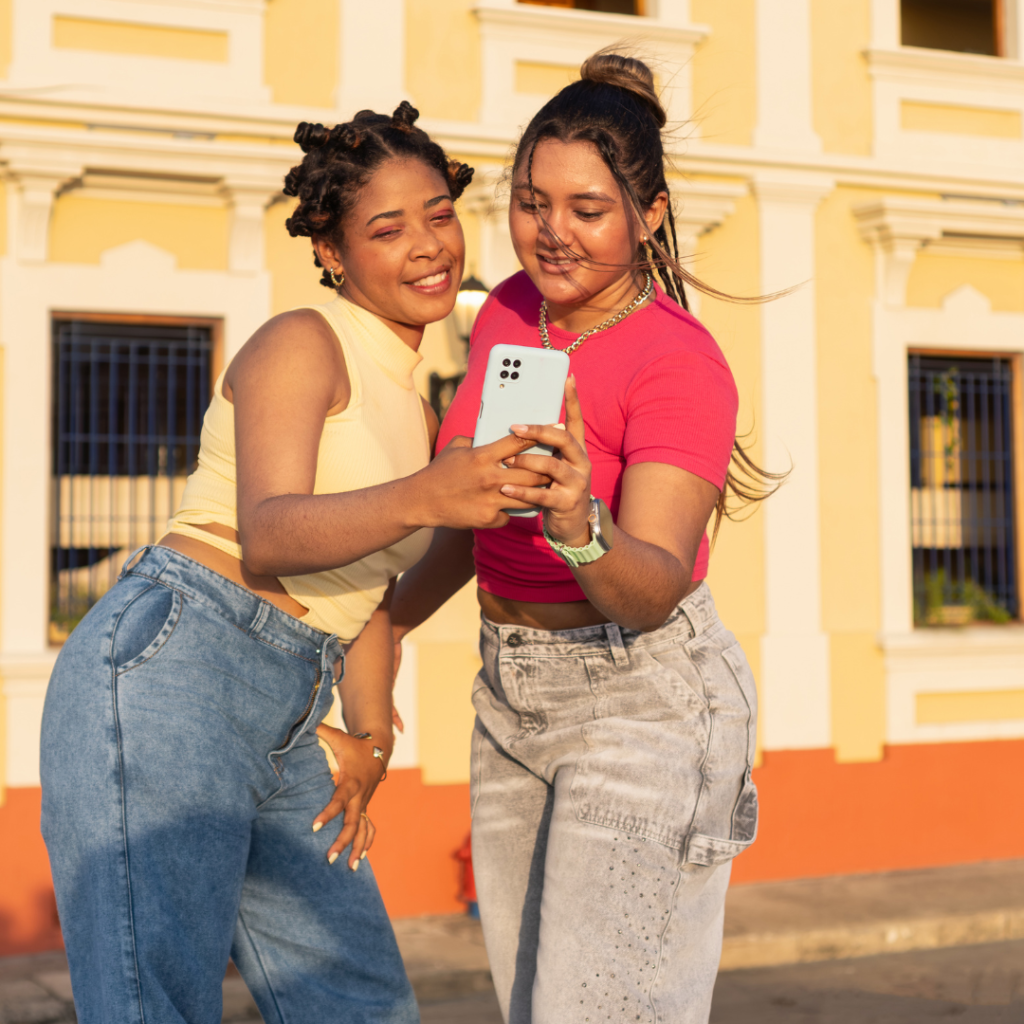
No discussion of Gen Z fashion trends would be complete without examining the role of social media. Digital platforms have transformed how fashion is discovered, shared, and consumed. For Gen Z consumers, social media is not simply a marketing channel; it is an integral part of the fashion experience.
Digital fashion influence extends across nearly every stage of the consumer journey. Trends emerge rapidly, style inspiration is constantly available, and fashion conversations occur in real time. Platforms such as short-form video apps, image-sharing networks, and online communities allow consumers to engage directly with brands and creators.
Social media fashion trends spread faster than traditional fashion cycles ever could. A style can gain global popularity within days, creating both opportunities and challenges for brands. Fashion companies must respond quickly to changing interests while maintaining authenticity.
Gen Z consumers also value transparency in digital spaces. They are often skeptical of overly polished marketing campaigns and prefer content that feels genuine and relatable. This preference has encouraged brands to adopt more authentic communication strategies.
Although social media can sometimes create pressure related to appearance and trend participation, it has also democratized fashion by giving individuals greater influence over industry conversations.

How Technology Is Reshaping the Fashion Experience
Technology plays a central role in modern fashion culture, particularly among Gen Z consumers who have grown up in highly connected environments. Digital innovation is transforming both the shopping experience and product development process.
Fashion innovation increasingly focuses on personalization, convenience, and engagement. Virtual fitting rooms, AI-powered recommendations, augmented reality experiences, and interactive shopping tools are becoming more common as brands adapt to changing expectations.
Gen Z shopping habits reflect a desire for seamless digital experiences. Consumers expect websites, mobile apps, and online stores to be intuitive, efficient, and personalized. Brands that fail to meet these expectations risk losing relevance among younger audiences.
Fashion personalization has become especially important because technology enables brands to deliver tailored recommendations and customized products. Consumers appreciate experiences that acknowledge their individual preferences rather than treating them as part of a broad audience.
While technological advancements create exciting opportunities, they also require brands to balance innovation with privacy, accessibility, and user trust.
The Demand for Inclusivity and Representation
Another reason Gen Z is changing fashion expectations is the growing demand for inclusivity. Younger consumers want to see greater representation across marketing campaigns, product offerings, and brand messaging.
Fashion and identity are deeply connected, and Gen Z consumers often support brands that celebrate diversity and inclusivity. Representation matters because consumers want to see themselves reflected in the products and campaigns they engage with.
Fashion industry trends increasingly emphasize size inclusivity, gender diversity, cultural representation, and accessibility. Brands are expanding product ranges and adopting more inclusive marketing strategies to address these expectations.
Changing fashion expectations in this area reflect broader societal conversations about equality and representation. Consumers are paying attention to how brands communicate values and whether those values align with their actions.
Although progress continues, inclusivity remains an ongoing area of development. Gen Z’s influence is encouraging brands to move beyond symbolic gestures and focus on meaningful change.
Why Gen Z Values Experiences Over Status
Previous generations often associated fashion with status symbols and luxury branding. While these factors still play a role in consumer behavior, Gen Z consumers frequently place greater emphasis on experiences, authenticity, and personal meaning.
Gen Z style often reflects stories, interests, and values rather than purely financial status. Consumers are increasingly interested in clothing that supports self-expression and aligns with their identities.
Fashion consumer behavior demonstrates that younger shoppers often prioritize experiences over possessions. This perspective has contributed to the popularity of customization, limited-edition collaborations, and interactive brand experiences.
Modern fashion culture is evolving toward engagement rather than exclusivity. Brands that create meaningful experiences often develop stronger emotional connections with consumers.
Although status remains relevant in some market segments, authenticity and personal relevance have become equally important factors influencing purchasing decisions.
The Future of Fashion Through the Lens of Gen Z
The future of fashion will likely be shaped significantly by the expectations and behaviors of Gen Z consumers. Their influence extends across sustainability, technology, inclusivity, personalization, and digital engagement.
Fashion innovation will continue evolving as brands respond to demands for transparency, customization, and responsible production. The traditional relationship between brands and consumers is becoming more collaborative, with consumers playing a larger role in shaping products and experiences.
Gen Z fashion trends suggest that flexibility and adaptability will remain essential for long-term success. Brands must stay responsive to evolving consumer preferences while maintaining authenticity and trust.
The future of fashion is likely to become more consumer-driven, technology-enabled, and value-focused. These changes reflect broader shifts in society and indicate a growing emphasis on meaningful engagement rather than purely transactional relationships.
Conclusion
Gen Z is changing fashion expectations by redefining what consumers value in clothing, brands, and shopping experiences. Through a focus on individuality, sustainability, inclusivity, technology, and authenticity, this generation is influencing nearly every aspect of the fashion industry.
Gen Z fashion trends demonstrate that consumers increasingly expect more than stylish products. They seek transparency, meaningful experiences, responsible practices, and opportunities for self-expression. These priorities are encouraging brands to innovate while aligning more closely with evolving consumer values.
As the fashion industry continues to adapt, the influence of Gen Z consumers will remain a powerful force shaping the future of fashion. Their expectations are not simply changing trends; they are transforming the way fashion operates, communicates, and connects with the world.