
The Problem with Fashion-Based Social Validation
Introduction
Fashion has always been more than fabric, colors, and trends. It is a form of communication that allows people to express their personalities, values, creativity, and cultural influences. Throughout history, clothing has helped individuals present themselves to the world while building confidence and a sense of identity. At its best, fashion is a powerful tool for self-expression and personal freedom.
However, the relationship between fashion and personal identity has changed significantly in the digital era. Today, fashion is often connected to public opinion, online engagement, and social recognition. Many people no longer choose clothing based solely on comfort, practicality, or personal preference. Instead, fashion choices are increasingly influenced by how others might react.
This growing dependence on fashion-based social validation has created new challenges. Social media platforms, influencer culture, online fashion trends, and comparison culture have transformed clothing into something that is constantly evaluated. As a result, personal style is often shaped by external approval rather than internal confidence.
The problem with fashion-based social validation is not that people enjoy compliments or appreciation. Positive feedback can be encouraging. The challenge begins when self-worth becomes dependent on those reactions. When fashion confidence relies entirely on approval from others, personal style can lose its authenticity, and emotional well-being may suffer.
Understanding how fashion-based social validation influences modern consumers is essential because it reveals how fashion, self-esteem, and digital culture are becoming increasingly connected.
How Fashion Became a Tool for Social Approval
Fashion has always carried social meaning.
People naturally notice what others wear.
Clothing often communicates status, culture, profession, and personality.
Throughout history, fashion has influenced social interactions.
However, the scale of modern social approval is unprecedented.
In previous generations, opinions came from family members, friends, coworkers, or local communities.
Today, social media allows individuals to receive feedback from hundreds or even thousands of people instantly.
Fashion choices are photographed, shared, commented on, and evaluated continuously.
This environment encourages people to think about approval before making style decisions.
Fashion gradually becomes linked to audience reactions rather than personal expression.
The Rise of Social Media Fashion
Social media fashion has changed how consumers experience style.
Platforms such as Instagram, TikTok, Pinterest, and YouTube showcase endless streams of fashion content.
Influencers, celebrities, and brands present highly curated images designed to capture attention.
Consumers see polished outfits, luxury accessories, and carefully planned aesthetics every day.
This constant exposure shapes expectations.
Fashion becomes more visible than ever before.
The result is a culture where clothing choices often feel public even when they are personal.
Social media fashion encourages people to view their wardrobes through the eyes of an audience.
The desire for approval becomes closely connected to fashion behavior.

Why Social Validation Feels So Rewarding
Human beings naturally seek connection and acceptance.
Positive feedback creates feelings of recognition and belonging.
When someone receives compliments about an outfit or gains engagement on a fashion-related post, the experience can feel rewarding.
Fashion-based social validation often reinforces confidence temporarily.
People associate certain clothing choices with positive reactions.
Over time, this creates behavioral patterns.
Consumers begin selecting outfits based on expected approval rather than genuine preference.
While external encouragement is not inherently harmful, dependence on validation can become problematic.
Confidence becomes tied to reactions that remain outside personal control.
This creates instability because public opinions constantly change.
The Connection Between Fashion and Self-Worth
One of the most concerning aspects of fashion-based social validation is its impact on self-worth.
Many individuals unconsciously connect appearance with personal value.
When fashion choices receive praise, confidence increases.
When reactions are absent or negative, self-doubt may emerge.
This connection creates emotional vulnerability.
Self-worth becomes dependent on appearance rather than character, abilities, or personal values.
Fashion identity starts carrying excessive psychological weight.
Instead of serving as a form of expression, clothing becomes a measure of personal success.
The challenge is that external approval can never provide lasting self-esteem.
True confidence requires a stronger foundation.
Comparison Culture and Fashion Anxiety
Comparison culture plays a major role in modern fashion behavior.
Social media allows consumers to compare themselves with countless individuals every day.
People see influencers wearing designer clothing, celebrities promoting luxury brands, and content creators showcasing idealized lifestyles.
These comparisons often occur automatically.
Individuals begin evaluating their wardrobes against unrealistic standards.
Fashion anxiety develops when consumers feel unable to meet those expectations.
They worry about appearing outdated, unfashionable, or less stylish than others.
Fashion anxiety transforms clothing from a source of creativity into a source of pressure.
The emotional impact can be significant, particularly among younger audiences.
Fashion Identity in the Digital Era
Fashion identity has become increasingly important in online culture.
Many people use style to create recognizable personal brands.
Clothing choices communicate values, interests, and social affiliations.
This can be a positive form of self-expression.
However, problems emerge when fashion identity becomes dependent on public approval.
Individuals may feel pressure to maintain specific images.
They avoid experimentation because they fear criticism.
Their style becomes less authentic and more performance-oriented.
Fashion identity should evolve naturally.
When approval dictates personal style, creativity often becomes limited.
How Fashion Trends Influence Validation
Fashion trends play an important role in the validation cycle.
Trending styles often receive greater visibility and acceptance.
Consumers recognize this pattern and may adjust their purchasing decisions accordingly.
Instead of asking whether they genuinely like an item, they ask whether it is popular.
Trend-driven behavior creates short-term satisfaction because approval feels easier to obtain.
However, fashion trends change rapidly.
Items that generate attention today may lose relevance tomorrow.
This constant change encourages ongoing consumption while making validation increasingly difficult to maintain.
The pursuit of trend-based approval often creates frustration rather than fulfillment.
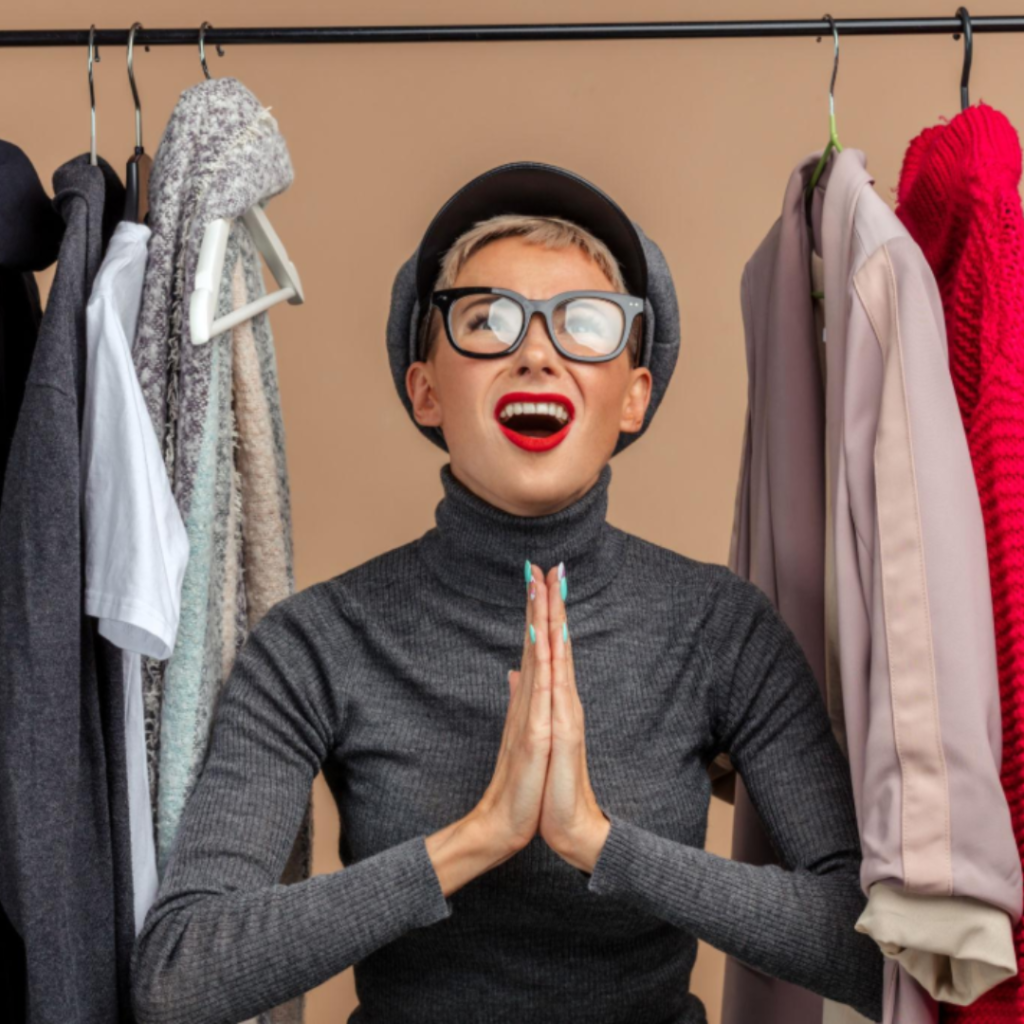
Consumer Behavior and Approval-Based Shopping
Consumer behavior is strongly influenced by social validation.
Many purchasing decisions are motivated by visibility rather than necessity.
People buy clothing because it fits current trends or aligns with online expectations.
Fashion marketing reinforces this behavior by associating products with popularity, confidence, and social recognition.
Approval-based shopping often leads to impulse purchases.
Consumers may accumulate clothing that reflects temporary trends rather than long-term preferences.
As wardrobes grow, satisfaction does not necessarily increase.
The cycle continues because the underlying need for validation remains unresolved.
The Emotional Cost of Chasing Approval
Seeking approval through fashion can become emotionally exhausting.
Individuals may spend considerable time evaluating outfits, monitoring reactions, and comparing themselves with others.
The pressure to appear fashionable becomes ongoing.
Fashion choices no longer feel effortless.
Instead, they become strategic attempts to secure validation.
The emotional cost includes anxiety, self-doubt, dissatisfaction, and reduced confidence.
People become more focused on how they are perceived than how they actually feel.
Fashion loses some of its enjoyment when external opinions dominate the experience.
Authentic Style Versus Social Approval
Authentic style and social approval are not the same thing.
Authentic style reflects personal preferences, lifestyle needs, and individual personality.
Social approval depends on external reactions.
The distinction matters because authentic style provides stability.
Personal preferences change gradually.
Public opinion changes constantly.
Consumers who prioritize authentic style often experience greater satisfaction.
Their confidence comes from self-expression rather than audience approval.
They enjoy fashion as a creative outlet instead of a performance.
This creates a healthier relationship with clothing and identity.
Building Fashion Confidence Without Validation
Fashion confidence becomes stronger when it develops independently of public opinion.
This does not mean ignoring feedback entirely.
Compliments and appreciation can still feel meaningful.
The goal is ensuring that confidence remains rooted in personal values.
Consumers benefit from choosing clothing that makes them feel comfortable, expressive, and authentic.
Fashion should support individuality rather than replace it.
Confidence grows when people trust their preferences and embrace their unique styles.
External validation becomes a bonus rather than a requirement.
This shift creates greater emotional freedom.
Conclusion
The problem with fashion-based social validation reflects larger changes in social media fashion, digital culture, and consumer behavior. While positive feedback can enhance confidence temporarily, relying on approval as the primary source of self-worth often creates pressure, comparison, and fashion anxiety.
Social media fashion has increased visibility, making personal style more public than ever before. As a result, many consumers find themselves evaluating clothing through the lens of audience reactions rather than personal satisfaction.
Fashion is most meaningful when it serves as a tool for self-expression, creativity, and individuality. Authentic style thrives when people dress according to their preferences rather than constantly seeking validation.
Ultimately, true fashion confidence does not come from likes, comments, or public approval. It comes from feeling comfortable with who you are and expressing that identity honestly through your style. When fashion supports self-expression instead of social validation, it becomes a source of confidence rather than pressure.